

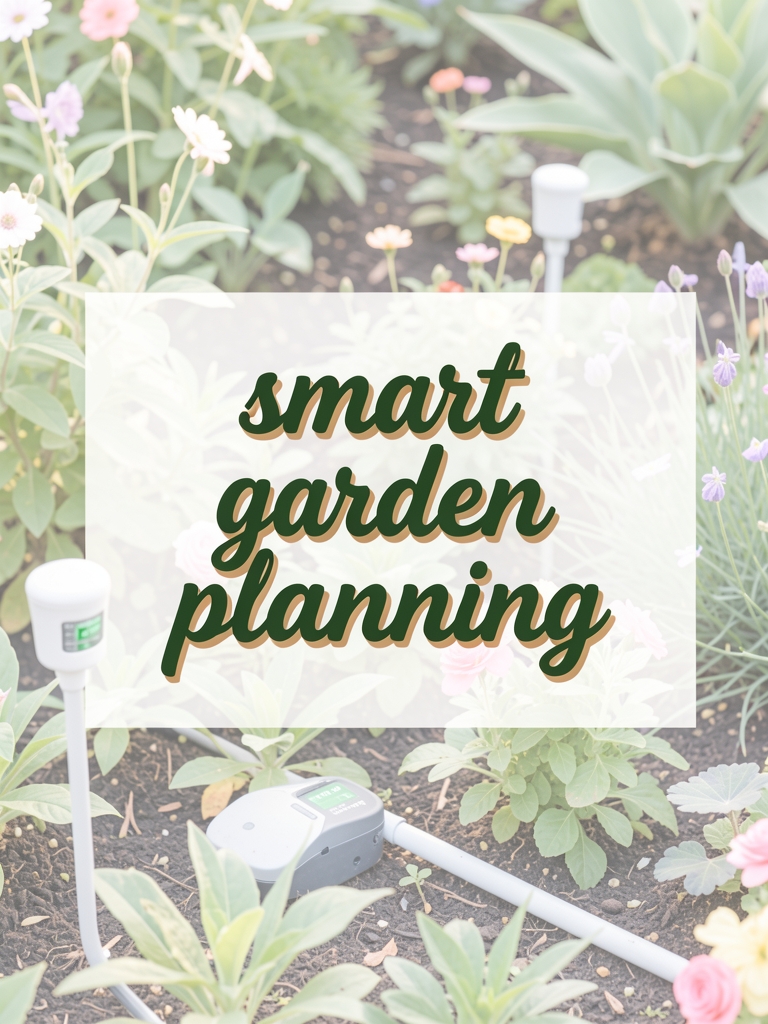
Welcome to the wonderful world of gardening! Whether you have a sunny balcony, a modest backyard, or just a windowsill, you can start growing plants that bring color, flavor, and a sense of accomplishment to your life. This guide is packed with Smart Gardening Tips for Beginners that are easy to follow, data‑driven, and designed to help you avoid common pitfalls. Let’s dig in and watch your garden thrive.
Start with the Right Soil and Plant Selection
Test Your Soil Before You Plant
Before you buy seeds or seedlings, take a quick soil test. Many garden centers offer inexpensive kits that measure pH, nitrogen, phosphorus, and potassium levels. Research shows that plants grown in soil with a pH between 6.0 and 7.0 have a 20‑30% higher germination rate. Adjust the pH with lime (to raise) or sulfur (to lower) based on the test results.
Choose Plants Suited to Your Climate
Use USDA hardiness zone maps or local extension service data to pick varieties that thrive in your region. For example, if you’re in zone 7, tomatoes, basil, and marigolds are reliable choices, while lettuce and peas perform best in cooler zones. Selecting climate‑appropriate plants reduces the need for extra watering and fertilizer, saving both time and money.
Smart Watering Strategies
Water Early in the Morning
Studies indicate that watering between 5 am and 9 am reduces evaporation by up to 40% compared to afternoon watering. This timing also allows foliage to dry before nightfall, decreasing the risk of fungal diseases.
Use a Drip Irrigation System
Drip lines deliver water directly to the root zone, using up to 50% less water than overhead sprinklers. Install a simple DIY drip system with a timer; most beginners find that a 2‑hour daily schedule during hot months keeps soil consistently moist without overwatering.
Fertilizing the Right Way
Follow a Data‑Based Feeding Schedule
According to university extension research, most vegetables benefit from a balanced 10‑10‑10 fertilizer applied at planting and then every 4‑6 weeks. Over‑fertilizing can cause leaf burn and weak root systems, so always measure the recommended amount with a scoop or kitchen scale.
Consider Organic Options
Compost and well‑rotted manure release nutrients slowly, providing a steady supply of nitrogen, phosphorus, and potassium. A layer of 2‑3 inches of compost applied in early spring can improve soil structure by up to 15%, based on field trials.
Light, Temperature, and Placement
Measure Sunlight Hours
Most fruiting vegetables need at least 6‑8 hours of direct sunlight. Use a simple sunlight meter or a phone app to track light exposure over a week. If a spot receives only 4‑5 hours, consider shade‑tolerant plants like lettuce, spinach, or herbs such as mint.
Protect Plants from Temperature Extremes
When night temperatures dip below 50°F (10°C), cover delicate seedlings with row covers or a lightweight blanket. Data from horticultural studies show that row covers can increase early‑season yields by up to 25%.
Practical Maintenance Tips
Mulch to Conserve Moisture
Applying a 2‑inch layer of organic mulch (straw, shredded leaves, or wood chips) reduces water loss by up to 30% and suppresses weeds. Mulch also adds organic matter as it breaks down, improving soil health over time.
Prune Regularly for Better Airflow
Removing dead or crowded foliage improves air circulation, which helps prevent fungal infections. A simple rule of thumb: prune any branch that blocks sunlight from reaching lower leaves.
Common Mistakes and How to Avoid Them
Overwatering
One of the most frequent errors beginners make is watering too often. Wet soil for more than 24 hours can lead to root rot. Use a moisture meter or simply stick your finger 2 inches into the soil; if it feels damp, hold off on watering.
Planting Too Deep or Too Shallow
Seeds planted too deep may struggle to emerge, while shallow planting can expose roots to temperature fluctuations. Follow seed packet instructions—most vegetable seeds should be planted at a depth of twice their diameter.
Ignoring Pest Signs
Early detection is key. Look for chewed leaves, sticky residue, or unusual spots. A quick spray of neem oil or a homemade soap solution (1 teaspoon liquid soap per quart of water) can control many common pests without harming beneficial insects.
Tracking Your Garden’s Progress
Keep a Simple Garden Journal
Record planting dates, watering schedules, fertilization, and any observations about growth or pest activity. Over a season, this data helps you identify patterns and refine your approach for the next year.
Use Mobile Apps for Reminders
Many free gardening apps allow you to set reminders for watering, fertilizing, and harvesting. Syncing these alerts with your phone ensures you stay on top of tasks, especially during busy weeks.
Conclusion
Embarking on a gardening journey doesn’t have to be overwhelming. By applying these Smart Gardening Tips for Beginners, you’ll set a solid foundation for healthy plants, higher yields, and a more enjoyable experience. Remember to start with proper soil testing, choose climate‑appropriate plants, water wisely, and keep a close eye on your garden’s needs. With a little patience and the right data‑driven practices, you’ll soon be reaping the rewards of a thriving garden—one that brings fresh produce, beautiful blooms, and a sense of calm to your everyday life.