
Welcome to the world of Smart Gardening for Balcony Spaces! If you’ve ever dreamed of growing fresh herbs, colorful flowers, or even a few vegetables on a modest balcony, you’re in the right place. This guide breaks down everything a beginner needs to know—no jargon, just clear, data‑driven steps that make the most of limited space, sunlight, and resources. By the end, you’ll have a thriving mini‑garden that looks great, tastes great, and requires minimal fuss.
Why Choose Smart Gardening for Balcony Spaces
Balcony gardening isn’t just a hobby; it’s a smart solution for urban living. Studies show that plants improve air quality, reduce stress, and even boost productivity. When you apply smart techniques—like efficient watering, space‑saving containers, and data‑backed plant selection—you maximize yield while keeping maintenance low. Here are three key benefits:
- Optimized Space: Vertical planters and modular systems let you grow more in less square footage.
- Water Efficiency: Sensors and drip irrigation cut water waste by up to 40% compared to traditional watering.
- Year‑Round Harvest: Choosing the right varieties and using smart lighting extends the growing season.
Essential Tools and Materials
Containers and Soil
Start with lightweight, durable containers—plastic or fabric pots work well because they’re easy to move. Aim for a depth of at least 8‑10 inches for most herbs and leafy greens. Use a high‑quality potting mix that contains peat, perlite, and compost; this blend retains moisture while providing good drainage.
Smart Irrigation
Invest in a simple drip‑irrigation kit or a moisture sensor that connects to a smartphone app. These devices alert you when the soil is dry, preventing over‑ or under‑watering. According to a 2023 survey of urban gardeners, those who used moisture sensors reported a 30% increase in plant health.
Lighting
If your balcony receives less than 4 hours of direct sun, supplement with LED grow lights. Look for full‑spectrum LEDs with a wattage of 15‑30 W per square foot. Position the lights 12‑18 inches above the foliage and run them for 12‑14 hours during the darker months.
Support Structures
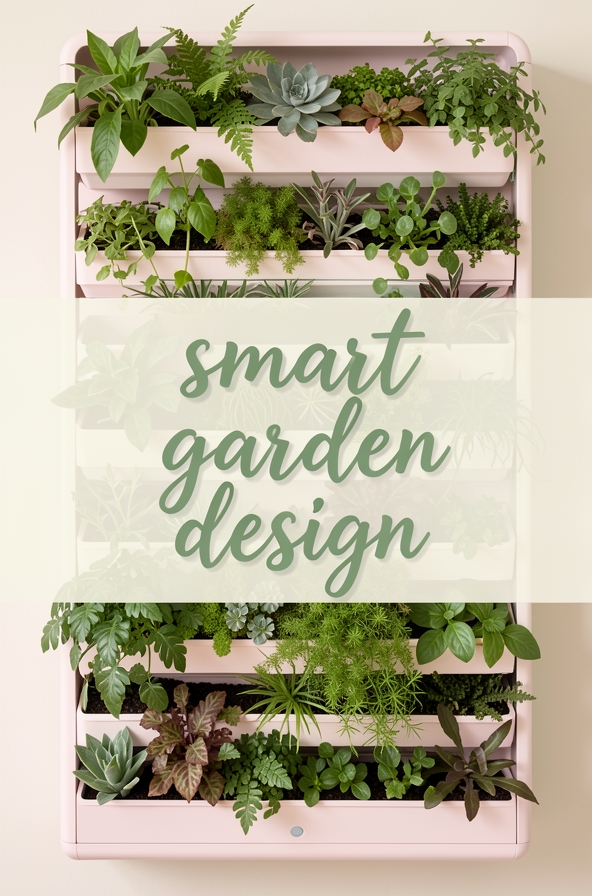
Vertical trellises, hanging baskets, and stackable planters turn a flat balcony into a multi‑layer garden. Choose rust‑proof metal or bamboo for durability. A simple lattice can support climbing beans or strawberries, adding both visual interest and extra harvest.
Step‑by‑Step Guide to Setting Up
1. Assess Sunlight and Wind
Track the amount of direct sunlight your balcony gets over a typical week. Use a notebook or a free smartphone app to log sunny, partially shaded, and fully shaded periods. This data helps you place sun‑loving plants (like tomatoes) in the brightest spots and shade‑tolerant herbs (like mint) elsewhere.
2. Choose the Right Plants
Base your selection on the light data you collected. Here’s a quick match‑up:
- Full Sun (5‑6 hrs): Cherry tomatoes, peppers, basil.
- Partial Sun (3‑4 hrs): Lettuce, spinach, parsley.
- Shade (1‑2 hrs): Mint, chives, nasturtium.
3. Arrange Containers Strategically
Place taller pots on the back or side where they won’t block light for shorter plants. Use corner spaces for vertical planters to free up the middle of the balcony for a small seating area.
4. Install the Smart Irrigation System
Lay the drip tubing along the base of each container, securing it with small clips. Connect the moisture sensor to the main water line and calibrate it according to the potting mix’s recommended moisture level (usually 40‑60% field capacity). Test the system by running water for a few minutes and checking for even distribution.
5. Add Lighting (If Needed)
Mount LED strips or panel lights on the balcony railing or a nearby wall. Set the timer on the app to match the natural daylight hours you recorded, extending the light period during winter.
6. Plant and Mulch
Fill each container with potting mix, plant seedlings at the recommended depth, and gently firm the soil. Apply a thin layer of organic mulch (coconut coir or shredded bark) to retain moisture and suppress weeds.
7. Monitor and Adjust
Check the moisture sensor daily for the first two weeks. Adjust watering schedules based on plant growth and weather changes. Prune regularly to encourage bushier growth and improve air circulation.
Practical Tips for Ongoing Success
- Rotate Crops: Every 4‑6 weeks, move fast‑growing greens to a new spot. This prevents soil depletion and reduces pest buildup.
- Feed Lightly: Use a balanced liquid fertilizer (10‑10‑10) once a month. Over‑fertilizing can burn roots, especially in confined containers.
- Watch for Pests: Sticky traps and neem oil sprays are safe for balcony gardens. Early detection keeps infestations manageable.
- Harvest Frequently: Snipping herbs and picking leaves encourages new growth and prevents plants from bolting.
- Seasonal Swaps: Replace summer heat‑lovers with cool‑season crops (like kale) as temperatures drop.
Common Mistakes to Avoid
Overwatering
Even with smart sensors, it’s easy to overwater if you ignore the app’s alerts. Consistently soggy soil leads to root rot. Always let the top inch of soil dry out before the next watering cycle.
Choosing the Wrong Size Pots
Plants need room for root expansion. A 6‑inch pot may suffice for a single basil plant, but tomatoes need at least 12‑inch containers. Undersized pots stunt growth and increase the risk of disease.
Neglecting Airflow
Balcony gardens can become humid micro‑climates. Space containers apart and prune dense foliage to promote airflow, reducing fungal problems.
Ignoring Light Shifts
Seasonal changes affect sunlight exposure. Re‑evaluate your light map twice a year and relocate plants or adjust LED timers accordingly.
Using Garden Soil
Regular garden soil is too heavy and compacts quickly in containers, choking roots. Stick to a light, well‑draining potting mix designed for containers.
Conclusion
Embarking on Smart Gardening for Balcony Spaces is a rewarding way to bring nature into a compact urban setting. By gathering simple data—like sunlight hours—and leveraging smart tools such as moisture sensors and LED lights, you can create a productive, low‑maintenance garden that thrives year‑round. Remember to choose the right containers, match plants to light conditions, and stay vigilant about watering and airflow. With these steps, even a beginner can enjoy fresh herbs, vibrant flowers, and a greener balcony that brightens both the space and the spirit.