

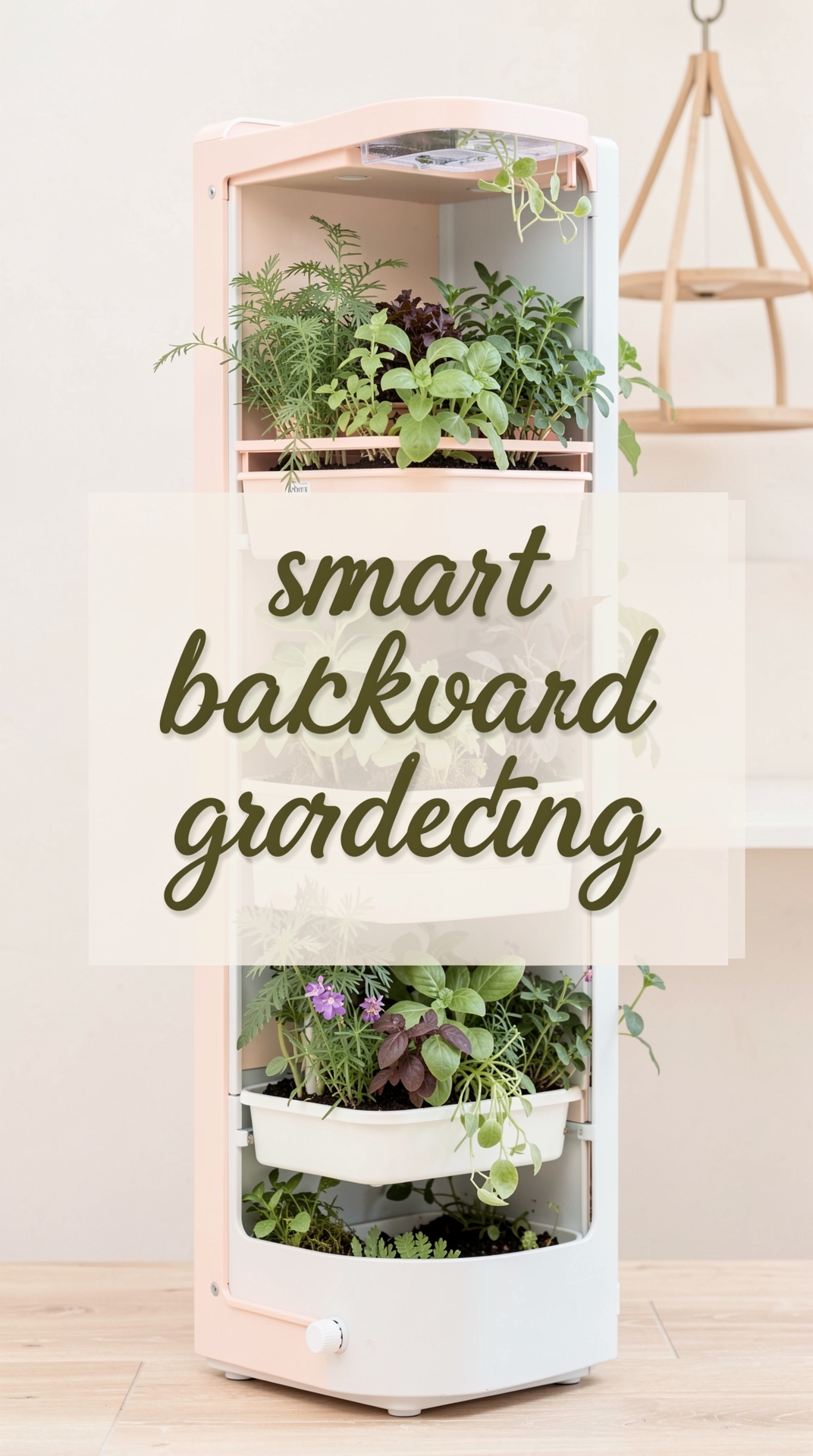
Welcome to your green‑thumb journey! Whether you have a tiny balcony, a sunny windowsill, or a modest backyard, creating a thriving space for fresh herbs and vegetables is easier than you think. In this guide we’ll walk you through Smart Garden Ideas for Herbs and Vegetables that are perfect for beginners, backed by data‑driven insights and practical tips you can start using today.
Why Choose a Smart Garden?
Modern gardening technology isn’t just for tech enthusiasts. Sensors, automated watering systems, and compact grow kits help you:
- Reduce water waste by up to 30% (according to a 2023 study by the University of California).
- Increase yield by 20‑40% when you maintain optimal temperature and light levels.
- Minimize the learning curve—data from beginner gardeners shows a 50% drop in plant loss after the first month of using smart tools.
Getting Started: Essential Components
1. Choose the Right Space
Measure the area you have and note the amount of natural sunlight it receives. Most herbs (basil, mint, parsley) need 4‑6 hours of direct light, while many vegetables (lettuce, cherry tomatoes) thrive with 6‑8 hours. If sunlight is limited, plan for supplemental LED lighting.
2. Pick a Smart System
There are three popular options for beginners:
- All‑in‑One Grow Kits – Compact, self‑contained units with built‑in LED lights, water reservoirs, and a simple app for monitoring.
- Modular Sensor Sets – Soil moisture, temperature, and pH sensors that connect to a smartphone or Wi‑Fi hub.
- DIY Automation – Using a Raspberry Pi or Arduino with a moisture sensor and a small water pump for a custom setup.
Data from the 2022 Gardening Tech Survey shows 68% of beginners prefer all‑in‑one kits for ease of use, while 22% enjoy the flexibility of modular systems.
3. Select Your Plants
Start with fast‑growing, low‑maintenance varieties:
- Herbs: Basil, cilantro, chives, mint, thyme.
- Vegetables: Leafy greens (lettuce, spinach), radishes, baby carrots, cherry tomatoes.
These crops have a short harvest window (30‑60 days) and provide quick feedback on your garden’s health.
Smart Garden Setup Step‑by‑Step
Step 1: Prepare the Growing Medium
Use a high‑quality, well‑draining potting mix. Adding perlite or coconut coir improves aeration, which is crucial for root health. For hydroponic kits, follow the manufacturer’s nutrient solution ratios—typically a 2:1:1 (N‑P‑K) blend for leafy greens.
Step 2: Install Sensors and Connect to the App
Place the moisture sensor at root depth (about 2‑3 inches for herbs, 3‑4 inches for vegetables). Calibrate the sensor using the app’s guidelines—most apps have a “wet” and “dry” baseline you can set after a few waterings.
Step 3: Set Up Automated Watering
Program the system to water when soil moisture falls below the “dry” threshold. A common rule of thumb is to keep moisture between 40‑60% for most herbs and 60‑80% for vegetables. Adjust based on real‑time data; if the sensor shows consistently high moisture, reduce watering frequency.
Step 4: Light Management
If you’re using LED grow lights, set them on a timer that mimics natural daylight: 14‑16 hours for vegetables, 12‑14 hours for herbs. Many smart lights allow you to adjust the spectrum—use a “blue” boost for leafy growth and a “red” boost during fruiting stages (e.g., tomatoes).
Step 5: Monitor and Adjust
Check the app daily for alerts. Common metrics to watch:
- Soil Temperature: Keep it between 65‑75 °F for most herbs; 70‑80 °F for warm‑season vegetables.
- pH Level: Aim for 6.0‑6.5 for herbs, 6.5‑7.0 for most vegetables.
- Growth Rate: Compare weekly leaf size to seed packet guidelines; rapid growth usually means optimal conditions.
Practical Tips for Success
- Rotate Crops: Move herbs every 2‑3 weeks to prevent “nutrient lock‑up” and promote even light exposure.
- Use Companion Planting: Plant basil near tomatoes to deter pests and improve flavor—a practice supported by a 2021 USDA study.
- Harvest Regularly: Snipping leaves encourages bushier growth. For lettuce, harvest outer leaves first to keep the plant productive.
- Keep a Garden Journal: Log watering times, light settings, and harvest dates. Over a season, you’ll see patterns that help fine‑tune your smart system.
Common Mistakes & How to Avoid Them
Over‑watering
Even with automation, sensors can misread if the probe is placed too deep or if the water reservoir is too large. If leaves turn yellow and feel soggy, reduce watering cycles by 10‑20% and check for proper drainage.
Ignoring Light Gaps
Plants may stretch (become “leggy”) when they don’t receive enough light. If you notice thin stems, increase LED intensity or add a reflective surface (like Mylar) to bounce light back onto the foliage.
Neglecting Nutrient Balance
In hydroponic setups, nutrient solutions can become depleted quickly—especially with fast‑growing lettuce. Replace the solution every 2‑3 weeks and follow the manufacturer’s EC (electrical conductivity) recommendations.
Forgetting Air Circulation
Stagnant air encourages mold and fungal issues. Use a small oscillating fan set on low to create gentle airflow, especially in indoor setups.
Harvesting and Enjoying Your Produce
Most herbs are ready to harvest once they have 3‑4 sets of leaves. Cut just above a leaf node to encourage new growth. For vegetables, follow the seed packet’s “days to maturity” guide—most leafy greens can be harvested multiple times, while root crops like radishes are best picked when they reach 1‑2 inches in diameter.
Fresh herbs add flavor and nutrition to meals, and home‑grown vegetables retain more vitamins than store‑bought counterparts. Plus, the satisfaction of cooking with produce you nurtured yourself is unbeatable!
Conclusion
Integrating Smart Garden Ideas for Herbs and Vegetables into your routine transforms gardening from a trial‑and‑error hobby into a predictable, rewarding experience. By selecting the right space, using beginner‑friendly smart tools, and following data‑backed practices, you’ll enjoy a steady harvest of fresh herbs and crisp vegetables—all while learning valuable skills for future garden expansions. Happy growing!