
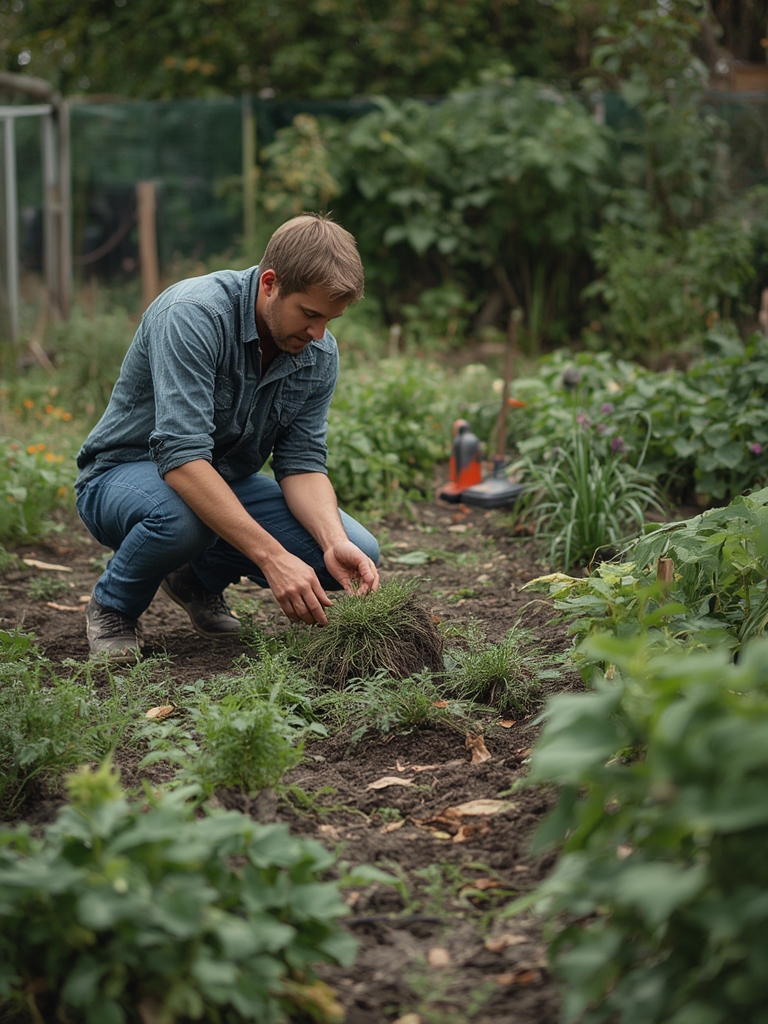

Welcome to your go‑to guide for creating a thriving, eco‑friendly garden that not only conserves resources but also delivers stunning blooms year after year. By blending data‑backed practices with simple, actionable steps, you’ll learn how to grow a sustainable garden that looks great, supports biodiversity, and reduces your carbon footprint. Let’s dive in and turn simple blooms into elegant displays with easy arranging techniques 🌸🖐️.
Why Sustainable Gardening Matters
Studies from the U.S. Department of Agriculture show that gardens using native plants and organic methods can cut water usage by up to 50 % and reduce pesticide runoff by 70 %. Sustainable gardening also boosts soil health, sequesters carbon, and provides habitats for pollinators—key factors for a resilient ecosystem.
Step 1: Choose the Right Plants
Focus on native and drought‑tolerant species
- Data point: Native plants require 30‑70 % less irrigation than non‑native varieties (University of California, 2022).
- Action: Use a local plant database or the Ladybird app to filter species by region, water needs, and pollinator value.
- Tip: Start with a mix of perennials (e.g., Echinacea, Coreopsis) and annuals (e.g., Marigold, Zinnia) for continuous color.
Consider plant companions
- Action: Pair nitrogen‑fixing legumes (like clover) with heavy feeders (such as tomatoes) to naturally enrich the soil.
- Tip: Plant aromatic herbs (basil, rosemary) near vegetables to deter pests without chemicals.
Step 2: Prepare the Soil the Smart Way
Test and amend based on data
- Action: Use a DIY soil test kit or send a sample to a local extension service. Look for pH (ideal 6.0‑6.8) and organic matter content.
- Tip: If pH is low, spread finely ground limestone; if high, add elemental sulfur.
- Data: Adding 2 % compost by weight can increase water retention by up to 25 % (Cornell University, 2021).
Build a living soil foundation
- Action: Incorporate 3‑4 inches of well‑composted organic matter into the top 12 inches of soil.
- Tip: Sprinkle a thin layer of mycorrhizal fungi inoculant around root zones to boost nutrient uptake.
Step 3: Implement Water‑Smart Practices
Install efficient irrigation
- Action: Set up drip‑line emitters with timers that deliver water early in the morning.
- Tip: Use a moisture sensor (e.g., Rain Bird Soil Moisture Probe) to avoid over‑watering.
- Data: Drip irrigation can reduce water use by up to 60 % compared with sprinklers (EPA, 2020).
Mulch for moisture retention
- Action: Apply 2‑3 inches of organic mulch (shredded bark, straw, or leaf mold) around plant bases.
- Tip: Re‑apply mulch annually to maintain a consistent barrier.
Step 4: Adopt Integrated Pest Management (IPM)
Monitor and identify pests early
- Action: Conduct weekly visual inspections and use sticky traps to gauge insect activity.
- Tip: Keep a garden journal with photos to track pest trends over seasons.
Use biological controls
- Action: Release beneficial insects such as ladybugs or lacewings to target aphids and whiteflies.
- Tip: Plant nectar‑rich flowers (e.g., yarrow, fennel) to attract and sustain these allies.
Apply low‑impact treatments only when needed
- Action: If thresholds are exceeded, spray a neem oil solution (1 tsp per gallon water) as a biodegradable option.
- Tip: Test on a small leaf area first to avoid phytotoxicity.
Step 5: Harvest and Re‑Use Plant Material
Practice cut‑and‑come‑again pruning
- Action: Pinch back spent blooms weekly to encourage repeat flowering.
- Tip: Use clean, sharp scissors to prevent disease entry.
Compost garden waste
- Action: Add trimmed stems, leaves, and spent soil to a backyard compost bin.
- Tip: Balance greens (fresh plant material) with browns (dry leaves, straw) for optimal decomposition.
- Data: Proper composting can reduce household waste by up to 30 % (EPA, 2022).
Step 6: Design Elegant Displays with Simple Blooms
Group colors for visual impact
- Action: Arrange complementary colors (e.g., purple lavender with yellow coreopsis) in clusters of 3‑5 plants.
- Tip: Vary heights—tall back, medium middle, short front—to create depth.
Use container layering
- Action: Fill a wide, shallow container with a base of dwarf succulents, then add trailing vines (like sweet potato vine) and top with a burst of annuals.
- Tip: Add a decorative pebble top layer to retain moisture and enhance aesthetics.
Turn simple blooms into elegant displays with easy arranging techniques 🌸🖐️
- Action: Harvest stems early in the morning when they’re most hydrated.
- Tip: Trim stems at a 45° angle, remove lower leaves, and place them in a vase with lukewarm water and a pinch of sugar.
- Data: A sugar‑water solution (1 tsp per quart) can extend vase life by up to 48 % (Royal Horticultural Society, 2021).
Step 7: Track Your Success with Simple Metrics
Key performance indicators (KPIs)
- Water usage: Record monthly gallons per square foot; aim for a 10 % reduction each season.
- Soil health: Conduct a compost tea test quarterly; look for a balanced microbial count.
- Pollinator visits: Count bees and butterflies weekly; a 20 % increase indicates a thriving habitat.
Use free tools to automate tracking
- Action: Install a low‑cost weather station (e.g., Ambient Weather) that logs rainfall and temperature.
- Tip: Sync the data with a Google Sheet using Zapier to generate monthly charts for quick visual feedback.
Final Thoughts
By following these data‑driven steps, you’ll create a garden that not only looks beautiful but also supports the planet. Remember, sustainable gardening is a continuous learning process—adjust based on your observations, stay curious, and enjoy the rewarding cycle of growth, harvest, and renewal.
