Welcome to your spring garden makeover! Whether you’re a seasoned green thumb or just starting out, this guide will walk you through data‑driven, actionable steps to create a vibrant garden that thrives from seedling to harvest. By preparing early—growing seedlings indoors—you’ll beat the last frost, maximize yields, and enjoy a burst of color and flavor all season long.
Why Start Indoors? The Data Behind Early Seedling Growth
Research from the University of California Extension shows that seedlings started 6–8 weeks before the last average frost date produce up to 30% more fruit than those transplanted later. Indoor growing also protects young plants from temperature swings, pests, and unpredictable weather, giving them a strong root system before they face the outdoors.
Step 1: Choose the Right Seeds
- Match climate zones: Use the USDA Hardiness Zone map to select varieties proven to perform in your region.
- Check germination rates: Look for seeds with a ≥85% germination guarantee for reliable results.
- Opt for disease‑resistant strains: Modern hybrids often carry resistance to common issues like blight and powdery mildew.
Step 2: Gather Essential Indoor Supplies
Invest in a few key items to create a mini greenhouse on your windowsill:
- Seed trays or peat pots: Choose biodegradable options to reduce transplant shock.
- Seed‑starting mix: A sterile, lightweight blend (e.g., peat moss, perlite, vermiculite) promotes aeration and prevents soil‑borne diseases.
- Grow lights: LED panels delivering 4000–5000 lux mimic natural sunlight and boost photosynthesis.
- Thermometer & hygrometer: Maintain temperature between 65–75 °F (18–24 °C) and humidity around 60%.
Indoor Seedling Routine: From Sowing to Transplant
Step 3: Sow Seeds Properly
Follow these proven techniques for consistent germination:
- Depth: Plant seeds at a depth of ¼–½ the seed’s diameter. For tiny seeds (e.g., lettuce), press them onto the surface and lightly cover.
- Moisture: Use a misting bottle to keep the medium evenly damp—avoid waterlogging.
- Labeling: Write the variety, sowing date, and expected transplant date on a waterproof tag. This prevents mix‑ups and helps track growth cycles.
Step 4: Provide Optimal Light
Seedlings need 12–16 hours of light daily. Position grow lights 2–3 inches above the foliage and adjust as plants grow. A simple timer ensures consistency, which is crucial for sturdy stems and compact growth.
Step 5: Harden Off Before Transplant
Hardening off acclimates seedlings to outdoor conditions, reducing transplant shock. Follow this 7‑day schedule:
- Day 1–2: Place seedlings in a shaded, wind‑protected area for 2–3 hours.
- Day 3–4: Increase exposure to 4–5 hours, adding brief morning sun.
- Day 5–6: Extend to 6–8 hours, including a short period of direct sunlight.
- Day 7: Full outdoor exposure for the remainder of the day; water lightly.
Transplanting Outdoors: Setting the Stage for Success
Step 6: Soil Preparation
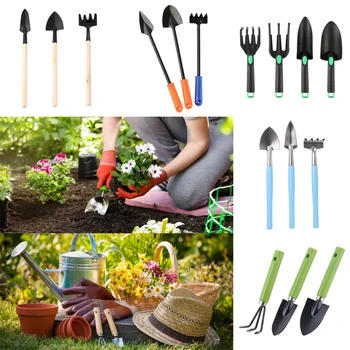
Healthy soil is the foundation of a thriving garden. Conduct a simple soil test (available at most garden centers) and amend based on results:
- pH 6.0–6.8: Ideal for most vegetables and herbs.
- Organic matter: Incorporate 2–3 inches of compost to improve structure and nutrient retention.
- Balanced fertilizer: Apply a 10‑10‑10 granular fertilizer at a rate of 1 lb per 100 sq ft, mixing it into the top 6 inches of soil.
Step 7: Planting Technique
When planting seedlings, follow these data‑backed practices:
- Spacing: Follow seed packet recommendations; overcrowding reduces airflow and increases disease risk.
- Depth: Plant deeper than the original pot—up to the first set of true leaves—for additional root development.
- Watering: Water at the base with a gentle stream to settle soil and eliminate air pockets.
Ongoing Care: Maintenance Tips for a Flourishing Garden
Step 8: Mulch and Moisture Management
Applying a 2‑inch layer of organic mulch (straw, shredded leaves, or wood chips) conserves moisture, suppresses weeds, and moderates soil temperature. Check moisture levels weekly with a soil probe; aim for consistently moist, not soggy, conditions.
Step 9: Integrated Pest Management (IPM)
Data from the National Integrated Pest Management Center shows that early detection and non‑chemical controls reduce pesticide use by 70%. Implement these IPM steps:
- Scouting: Walk the garden daily during peak growth; look for signs of aphids, caterpillars, or fungal spots.
- Physical barriers: Use row covers or fine mesh to keep insects out.
- Beneficial insects: Introduce ladybugs or lacewings to naturally control aphids.
- Organic sprays: If needed, apply neem oil or insecticidal soap early in the morning or late evening.
Step 10: Pruning and Training
For vining plants (e.g., tomatoes, cucumbers), train them on trellises or cages. Prune side shoots (suckers) on indeterminate tomatoes to direct energy toward fruit production. A study from Colorado State University found that proper pruning can increase yields by up to 25%.
Harvest and Beyond: Maximizing Yield and Extending the Season
Step 11: Harvest Timing
Harvest at peak ripeness for best flavor and nutrition. Use these visual cues:
- Tomatoes: Color changes from green to deep red, orange, or yellow; fruit should feel firm but yield slightly to gentle pressure.
- Leafy greens: Cut outer leaves when they reach 6‑8 inches; this encourages continuous growth.
Step 12: Post‑Harvest Care
After the main season, extend production with a simple cold frame or hoop house. A 2‑inch layer of straw over the soil retains heat, allowing a second wave of crops (e.g., lettuce, spinach) to thrive well into fall.
Quick Reference Checklist
- ✔ Choose climate‑appropriate, high‑germination seeds.
- ✔ Use sterile seed‑starting mix and LED grow lights.
- ✔ Maintain 65–75 °F temperature and 60% humidity indoors.
- ✔ Harden off seedlings over 7 days before transplant.
- ✔ Amend soil with compost and balanced fertilizer.
- ✔ Mulch, water consistently, and monitor for pests.
- ✔ Prune and train vines for optimal airflow and yield.
- ✔ Harvest at peak ripeness and consider a cold frame for a later season.
By following this data‑driven, step‑by‑step plan, you’ll not only inspire your garden’s visual appeal but also boost productivity and sustainability. Start your seedlings now, and watch your spring garden transform into a thriving oasis of color, flavor, and satisfaction. Happy gardening! 🌱🌼