
Welcome to your go‑to guide for creating a thriving, eco‑friendly garden that not only nourishes the planet but also delights your senses all year long. By blending proven horticultural practices with smart, data‑backed decisions, you can reduce water usage by up to 50 % and cut fertilizer costs by 30 % while enjoying a lush, resilient landscape.
Why Sustainable Gardening Matters
According to the USDA, residential gardens account for roughly 15 % of household water consumption in the United States. Switching to sustainable methods can lower that figure dramatically, saving both money and precious resources. Moreover, a study by the Royal Horticultural Society found that gardens with native plants support 40 % more pollinator activity than those dominated by exotic species.
Step 1: Build Healthy Soil
Test and Amend
- Action: Use a DIY soil test kit or send a sample to a local extension office. Aim for a pH between 6.0 and 7.0 for most vegetables.
- Tip: If the pH is low, incorporate lime; if it’s high, add elemental sulfur.
Organic Matter Boost
- Action: Mix in 2–3 inches of compost each spring.
- Trick: Use kitchen scraps, coffee grounds, and shredded newspaper to create a continuous compost loop.
Step 2: Conserve Water Wisely
Smart Irrigation
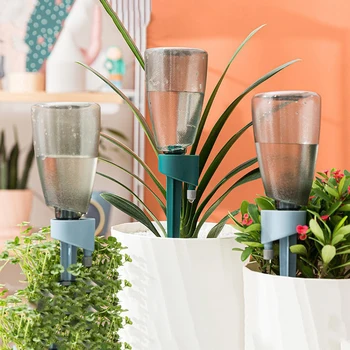
- Action: Install a drip‑irrigation system with a timer set to water early morning or late evening.
- Data Point: Drip systems can reduce water use by up to 60 % compared with overhead sprinklers.
Rainwater Harvesting
- Action: Place a 200‑gallon rain barrel beneath a downspout.
- Advice: Add a fine mesh screen to keep debris out and use a simple spigot for easy garden access.
Step 3: Choose the Right Plants
Native & Drought‑Tolerant Species
- Action: Select plants that are adapted to your climate zone (refer to the USDA Hardiness Map).
- Examples: Coneflower (Echinacea), Black-eyed Susan (Rudbeckia), and Lavender.
Companion Planting
- Action: Pair nitrogen‑fixing beans with heavy feeders like tomatoes.
- Benefit: This reduces the need for synthetic fertilizers by up to 25 %.
Step 4: Mulch, Compost, and Recycle
Mulching for Moisture Retention
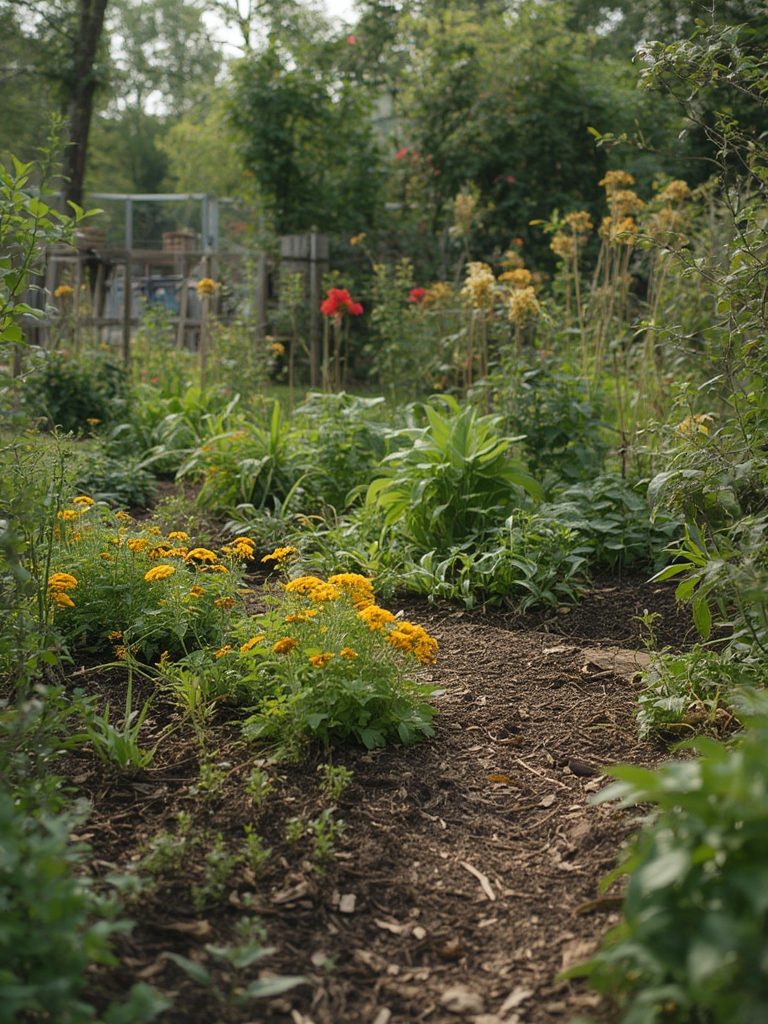
- Action: Spread a 2‑inch layer of organic mulch (straw, wood chips, or shredded leaves) around plants.
- Result: Mulch can cut evaporation rates by 30 % and suppress weeds.
Compost Tea for Nutrient Boost
- Action: Steep a bucket of mature compost in water for 24 hours, then dilute 1:10 and apply as a foliar spray.
- Tip: Use a coffee filter to keep solids out of the spray nozzle.
Step 5: Integrated Pest Management (IPM)
Monitoring & Identification
- Action: Conduct weekly visual checks and use sticky traps to gauge pest populations.
- Data Insight: Early detection can reduce pesticide applications by 70 %.
Biological Controls
- Action: Release beneficial insects such as ladybugs or lacewings to target aphids.
- Trick: Plant nectar‑rich flowers like yarrow to attract and retain these allies.
Seasonal Garden Decor Ideas 🍁🌸❄️
Spring Refresh
- Swap out winter mulch for fresh straw and add pastel-colored ceramic pots.
- Hang a DIY wind chime made from reclaimed bamboo for a gentle, natural sound.
Summer Vibrance
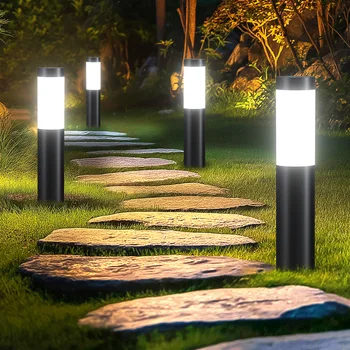
- String solar‑powered LED lights along garden pathways for low‑energy illumination.
- Place a reclaimed wooden pallet as a vertical herb garden—functional and decorative.
Autumn Warmth
- Arrange pumpkins, gourds, and dried corn husks in a rustic centerpiece.
- Use reclaimed metal buckets as planters for hardy mums and ornamental kale.
Winter Charm
- Wrap fairy lights around evergreen branches for a cozy glow.
- Install a small, insulated bird feeder to attract wildlife and add movement to the scene.
By following these data‑driven steps and sprinkling in seasonal decor, you’ll create a garden that not only thrives sustainably but also evolves beautifully throughout the year. Happy planting!