
Welcome to the world of garden design! Whether you’re just starting out or looking to refresh an existing space, adding a few modern garden features can instantly boost style and functionality. In this guide we’ll explore the most popular elements that blend clean lines, smart materials, and low‑maintenance charm. You’ll learn how to pick the right pieces, avoid common pitfalls, and create a garden that feels fresh, inviting, and uniquely yours.
Why Choose Modern Garden Features?
Modern garden features focus on simplicity, durability, and visual impact. By using sleek materials like concrete, metal, and glass, you can create a space that feels contemporary without overwhelming a beginner’s budget or skill level. These elements also tend to be low‑maintenance, which is perfect for gardeners who want to spend more time enjoying their outdoors than constantly tending to it.
Key Modern Features to Consider
1. Minimalist Water Features
A small, rectangular water wall or a sleek fountain can become the centerpiece of any garden. Look for designs that use stainless steel or stone slabs with a gentle, recirculating flow. The sound of water adds a soothing ambiance while the clean lines keep the look contemporary.
- Tip: Choose a pump with adjustable flow to match the size of your garden.
- Common mistake: Placing the feature too close to high‑traffic areas, which can cause splashing and muddy footprints.
2. Geometric Planters
Square or rectangular planters made from concrete, metal, or high‑density polymer give a crisp, organized feel. Fill them with a mix of foliage—think ornamental grasses, succulents, and dwarf evergreens—to add texture without clutter.
- Tip: Use a consistent color palette (e.g., all white concrete) for a cohesive look.
- Common mistake: Over‑planting; keep the plant count low to maintain the clean aesthetic.
3. Outdoor Lighting with a Modern Twist
LED strip lights hidden behind railings, recessed ground lights, and pendant fixtures with matte black finishes can highlight pathways and focal points after dark. Lighting not only adds safety but also emphasizes the garden’s architectural lines.
- Tip: Use warm‑white LEDs (2700‑3000 K) for a welcoming glow.
- Common mistake: Installing too many fixtures, which can create glare and diminish the subtle elegance.
4. Structured Pathways
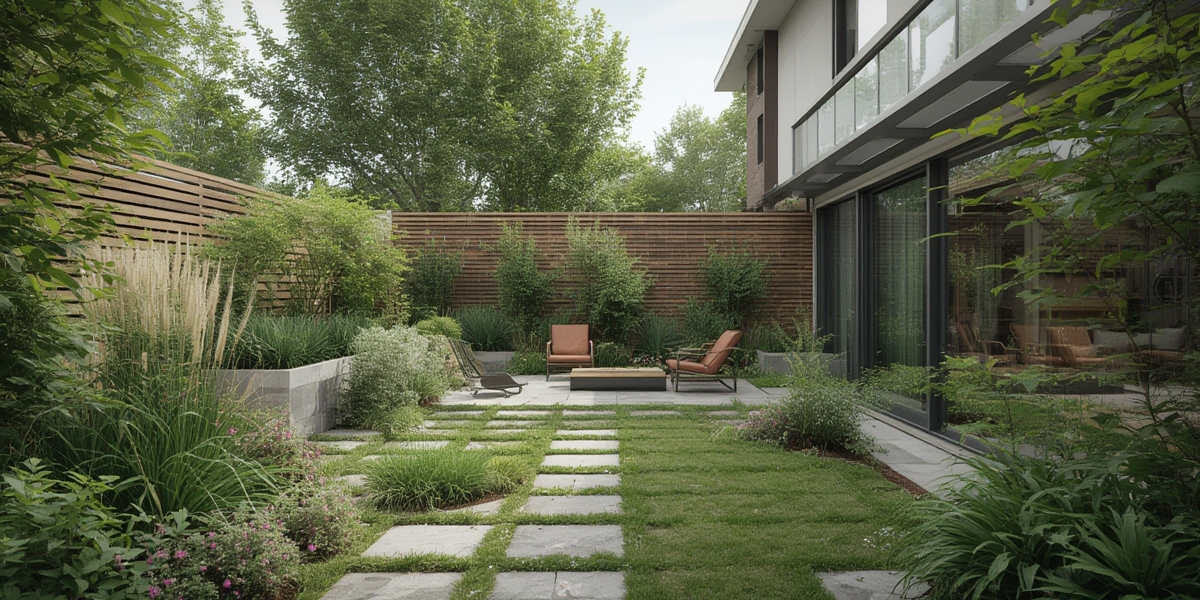
Linear pathways made from large concrete pavers, stacked stone, or poured resin create a sense of order. Align the path with a focal point—such as a water feature or a striking plant group—to guide the eye and foot traffic.
- Tip: Keep the spacing between pavers consistent (usually 2‑3 cm) for a seamless appearance.
- Common mistake: Ignoring drainage; ensure a slight slope away from structures to prevent pooling.
5. Modern Seating Solutions
Think low‑profile benches made from reclaimed wood with metal legs, or modular concrete blocks that can be rearranged. Comfortable cushions in neutral tones add a touch of softness without clashing with the overall modern vibe.
- Tip: Choose weather‑resistant fabrics and store cushions during harsh weather.
- Common mistake: Selecting overly ornate furniture that disrupts the clean lines of the design.
Practical Tips for Installing Modern Garden Features
Plan with a Sketch
Before buying any element, draw a simple layout on graph paper or use a free garden‑design app. Mark where each feature will sit, keeping in mind sight lines and how you’ll move through the space. This helps avoid costly repositioning later.
Start Small
If you’re new to garden design, begin with one or two features—perhaps a geometric planter and a pathway. As you grow more confident, you can add additional pieces like lighting or a water feature.
Choose Materials That Suit Your Climate
Concrete and metal are durable, but in areas with heavy freeze‑thaw cycles, select frost‑resistant concrete mixes or powder‑coated metal to prevent cracking and rust.
Integrate Native Plants
Even the most modern garden benefits from plants that thrive locally. Native grasses, low‑maintenance shrubs, and perennials reduce watering needs and ensure a healthier garden overall.
Mind the Scale
Balance large, bold elements (like a wide water wall) with smaller accessories (such as a single sculptural pot). This prevents the space from feeling overwhelming and keeps the design approachable for beginners.
Common Mistakes to Avoid
Over‑Decorating
It’s tempting to fill every corner with decorative items, but modern design thrives on negative space. Resist the urge to add too many ornaments; let each feature breathe.
Neglecting Maintenance
Even low‑maintenance features need occasional care. For example, a concrete planter may develop stains, and a water feature requires cleaning to prevent algae. Schedule a quick monthly check‑up to keep everything looking fresh.
Ignoring Functionality
Style should never compromise usability. Ensure pathways are wide enough for garden tools, seating is comfortable for extended use, and lighting is positioned to illuminate rather than blind.
Choosing the Wrong Size
Measure your garden accurately. A massive concrete slab in a tiny courtyard can dominate the space, while a tiny bench in a large yard may look lost. Scale each feature to the overall dimensions of your garden.
Putting It All Together: A Sample Layout
Imagine a 15 × 20 ft backyard. Start with a 4‑foot wide concrete pathway that leads from the backdoor to a central rectangular water wall. Flank the water wall with two geometric planters filled with dwarf lavender and ornamental grasses. Add recessed LED lights along the pathway edges and a low‑profile metal‑leg bench beneath the water feature for a relaxing spot. Finish with a few native perennials in the corners to soften the hardscape.
This arrangement showcases Modern Garden Features That Add Instant Style while remaining functional and easy to maintain—perfect for a beginner gardener looking to make a bold statement.
Conclusion
Incorporating modern garden features doesn’t have to be daunting. By focusing on clean lines, durable materials, and thoughtful placement, you can transform any outdoor space into a stylish retreat. Remember to start small, respect the scale of your garden, and choose low‑maintenance plants that complement your design. With these guidelines, you’ll be well on your way to creating a garden that not only looks contemporary but also feels welcoming and functional for years to come.