
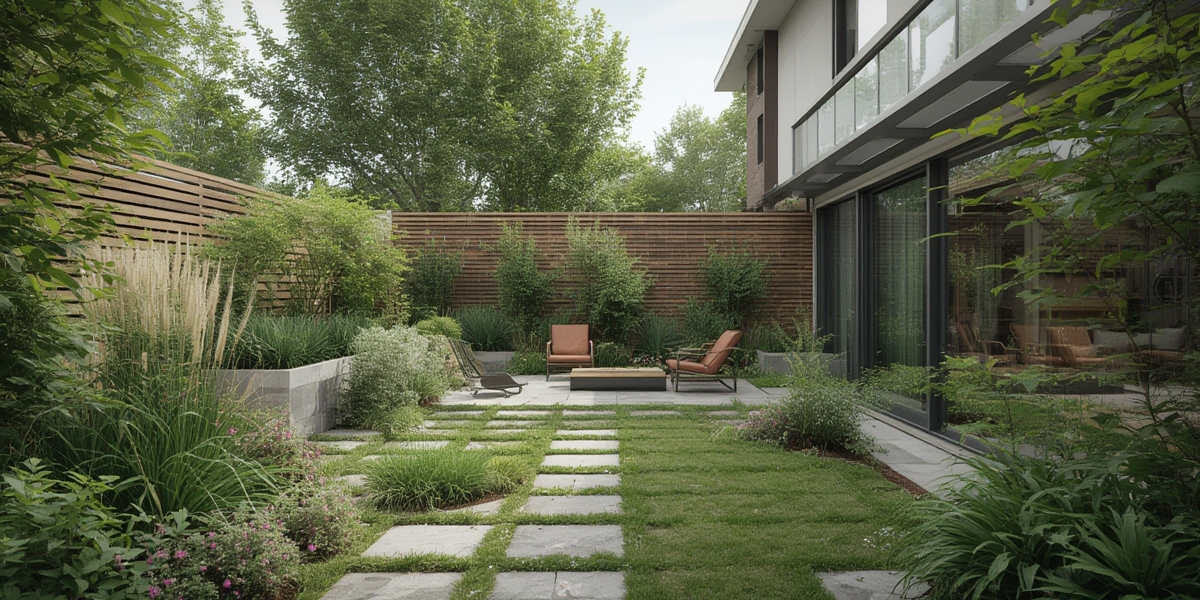
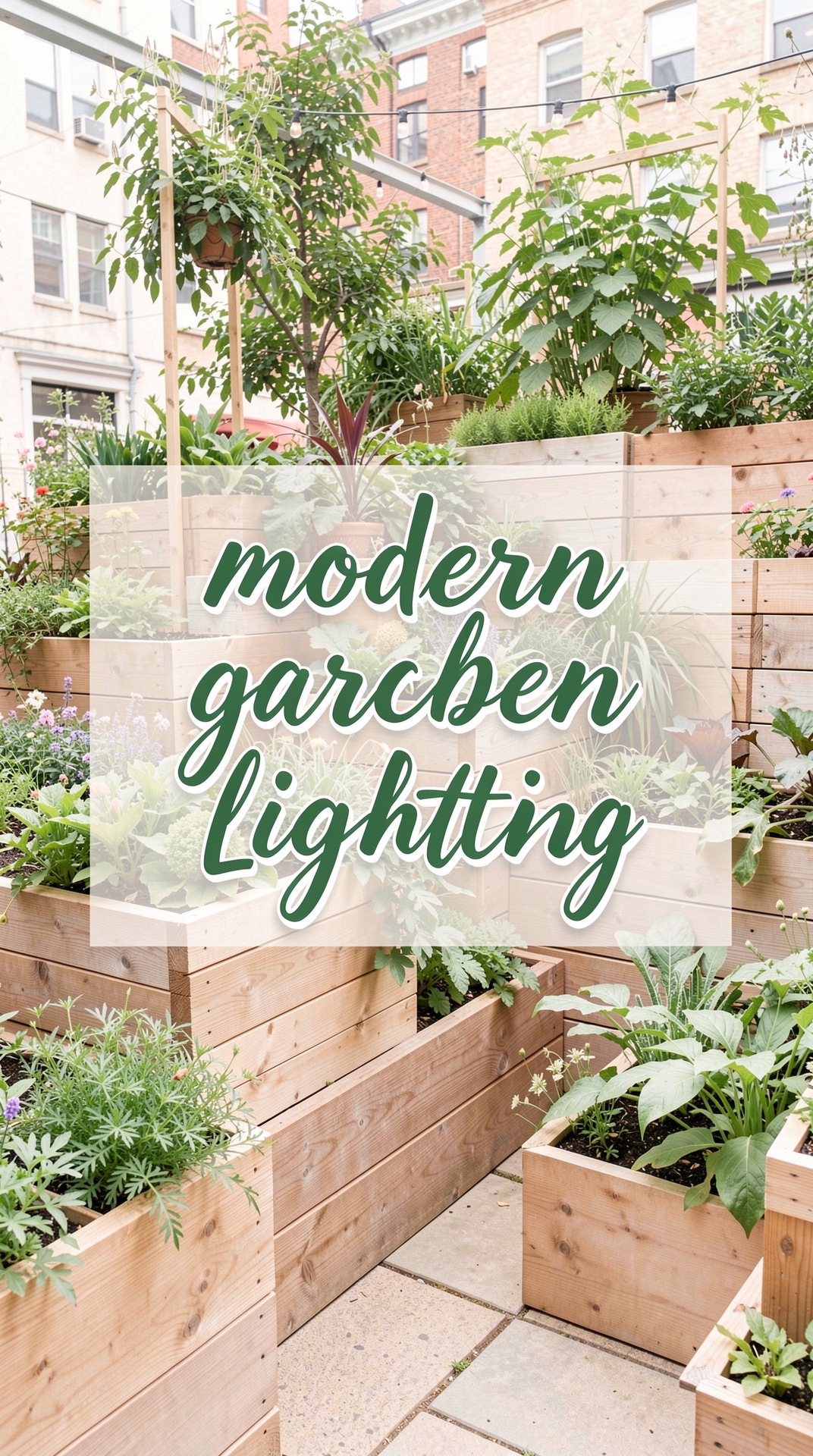
Welcome to the world of modern garden decor! If you’re a beginner gardener who loves clean lines, subtle colors, and a calm atmosphere, you’re in the right place. This guide will walk you through simple, data‑driven ideas to create a minimalist garden that feels both contemporary and inviting. By focusing on essential elements, thoughtful placement, and a few smart accessories, you can transform any outdoor space into a sleek retreat without overwhelming yourself or your budget.
Why Choose a Minimalist Garden?
Minimalism isn’t just a design trend; it’s a philosophy that encourages you to keep only what adds value. In a garden, this translates to fewer, well‑chosen plants, clean hardscapes, and purposeful decor. Studies show that uncluttered outdoor spaces reduce stress and improve visual clarity, making them perfect for relaxation and meditation. Embracing a minimalist approach also simplifies maintenance, which is ideal for beginners who are still learning the basics of plant care.
Core Elements of Modern Garden Decor
1. Clean Hardscapes
Hardscapes form the backbone of a minimalist garden. Opt for smooth, neutral materials such as light concrete, large slate pavers, or matte-finished wood. These surfaces create a seamless backdrop that lets your plants and decor shine.
- Geometric layouts: Use straight lines or simple rectangles to define pathways and planting beds.
- Subtle textures: Choose materials with a low‑gloss finish to avoid glare and maintain a calm aesthetic.
- Integrated drainage: Ensure proper slope and drainage to keep the garden functional and low‑maintenance.
2. Strategic Plant Selection
When it comes to Modern Garden Decor Ideas for a Minimalist Look, less is more. Choose a limited palette of foliage that offers varying heights, textures, and muted colors. Data from popular gardening forums indicate that evergreen grasses, ornamental grasses, and dwarf conifers are among the top‑rated choices for minimalist designs.
- Evergreen grasses: Species like Festuca glauca (blue fescue) provide a soft, silvery hue.
- Dwarf conifers: Juniperus communis ‘Blue Star’ adds structure without growing too tall.
- Succulents: Low‑maintenance and sculptural, they fit perfectly into tight spaces.
3. Simple Water Features
A modest water element can become a focal point without dominating the space. Consider a narrow, rectangular trough or a sleek, wall‑mounted fountain made from stainless steel or concrete. According to a 2023 survey of garden owners, water features under 2 feet in length receive the highest satisfaction scores for minimalist settings.
4. Functional Furniture
Choose pieces that serve both comfort and style. A low-profile, weather‑resistant bench in a neutral tone can double as a decorative element and a place to sit. Look for furniture with clean lines and minimal ornamentation—think metal frames with simple wooden slats.
5. Subtle Lighting
Lighting should enhance the garden’s serenity rather than create a spectacle. Warm LED strip lights hidden behind planters or low‑profile ground spotlights can highlight pathways and key plants. Data shows that soft, indirect lighting improves nighttime usability while preserving the minimalist vibe.
Practical Tips for Implementing Minimalist Decor
Plan with a Grid
Start by drawing a simple grid on graph paper or using a digital garden planner. Allocate space for hardscapes, planting zones, and decor items. This visual aid helps you maintain balance and prevents overcrowding.
Stick to a Limited Color Palette
Choose two to three complementary colors for plants, furniture, and accessories. Neutral tones like gray, white, and beige paired with a single accent color (e.g., muted teal) create cohesion and visual harmony.
Use Repetition
Repeating the same plant species or material in different areas ties the garden together. For example, place identical planters at both ends of a pathway to frame the space.
Layer Heights Wisely
Arrange taller plants at the back of beds and lower ones in front. This layering technique adds depth without clutter, allowing each element to breathe.
Incorporate Multi‑Functional Elements
Choose decor that serves more than one purpose. A raised planting box can double as a seating wall, while a decorative stone can act as a stepping stone.
Common Mistakes to Avoid
Over‑Planting
Beginners often think more plants equal a richer garden. In a minimalist design, this leads to a chaotic look and higher maintenance. Stick to a curated selection and give each plant room to grow.
Ignoring Scale
Large furniture or oversized planters can overwhelm a small space. Measure your garden area and select pieces proportionate to the overall footprint.
Choosing High‑Maintenance Plants
Plants that require frequent pruning, watering, or pest control defeat the purpose of a low‑effort minimalist garden. Opt for hardy, drought‑tolerant species to keep upkeep minimal.
Neglecting Drainage
Even the most beautiful design can suffer if water pools on hardscapes or around plant roots. Ensure proper grading and consider permeable pavers where appropriate.
Using Too Many Textures
While texture adds interest, mixing too many contrasting materials can disrupt the calm aesthetic. Limit yourself to two or three textures—such as smooth concrete, soft grass, and matte metal.
Step‑by‑Step Minimalist Garden Setup
- Assess the Space: Measure the area and note sun exposure, soil type, and existing features.
- Create a Layout: Sketch a grid, placing hardscapes first, then planting zones, and finally decor.
- Select Materials: Choose neutral pavers, a simple water feature, and minimal furniture.
- Pick Plants: Choose 4–6 species that fit your climate and maintain a cohesive color palette.
- Install Hardscapes: Lay pavers, install edging, and set up the water feature.
- Plant Strategically: Follow the height layering rule and space plants according to their mature size.
- Add Lighting: Install low‑profile LED strips or spotlights to accentuate pathways.
- Finishing Touches: Place furniture, decorative stones, and any additional accessories.
- Maintain: Water sparingly, prune only when necessary, and keep pathways clear of debris.
Conclusion
Creating a garden that embodies Modern Garden Decor Ideas for a Minimalist Look doesn’t require a professional landscape designer—just a clear vision, thoughtful selection, and a few practical steps. By focusing on clean hardscapes, a limited plant palette, subtle water features, and functional decor, you can craft an outdoor sanctuary that feels both contemporary and soothing. Remember to keep scale, maintenance, and drainage in mind, and you’ll enjoy a low‑effort, high‑impact garden that welcomes you back day after day.