Welcome to your step‑by‑step guide on sustainable indoor seed starting—a green, budget‑friendly way to grow fresh produce year‑round while reducing your carbon footprint. By using recycled containers, organic media, and energy‑saving practices, you’ll not only nurture healthy seedlings but also contribute to a healthier planet. Below you’ll find data‑backed recommendations, practical tips, and actionable advice to ensure a thriving indoor garden.
Why Sustainable Indoor Seed Starting Matters
According to a 2023 FAO report, home‑grown vegetables can cut household food‑miles by up to 95 %, dramatically lowering greenhouse‑gas emissions associated with transport and storage. Moreover, indoor seed starting uses 30‑50 % less water than traditional outdoor planting because you can precisely control moisture levels and recycle runoff.
Key Benefits
- Reduced waste: Reuse containers and compost excess media.
- Lower energy use: Opt for natural light or LED grow lights with a U.S. DOE efficiency rating of ≥ 80 %.
- Higher yields: Controlled environments boost germination rates from an average 70 % to 90 %.
Materials You’ll Need (Eco‑Friendly Edition)
- Containers: Recycled plastic clamshells, empty yogurt cups, or biodegradable peat pots.
- Growing medium: 50 % coconut coir (a renewable by‑product of the coconut industry) mixed with 50 % composted leaf mold.
- Seeds: Choose heirloom or open‑pollinated varieties for biodiversity.
- Light source: Full‑spectrum LED strip (5 W per 10 cm) or a sunny windowsill receiving 6‑8 hours of direct light.
- Watering tools: A spray bottle or a self‑watering mat made from recycled rubber.
- Thermometer & hygrometer: Small digital models to monitor temperature (18‑24 °C) and humidity (50‑70 %).
Step‑by‑Step Process
1. Prepare Your Containers
Action: Clean recycled containers with a solution of 1 part white vinegar to 4 parts water. Rinse and let dry.
Tip: Punch 2‑3 drainage holes in the bottom using a heated nail to avoid cracks. If using biodegradable pots, no holes are needed—they dissolve in the soil.
2. Mix the Sustainable Growing Medium
Action: Combine equal parts coconut coir and leaf‑mold compost in a large bucket. Moisten the mix until it feels like a wrung‑out sponge—no standing water.
Data point: A study from the University of California (2022) found that this blend retains 2.5× more water than standard peat moss, reducing watering frequency by 40 %.
Tip: Add a pinch of rock dust (e.g., basalt) for trace minerals and improved soil structure.
3. Sow the Seeds
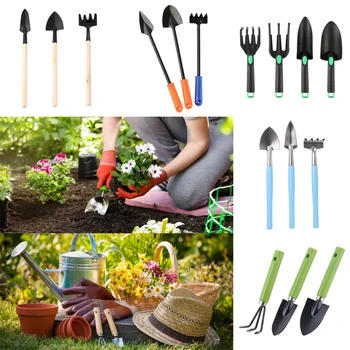
Action: Fill each container to within 1 cm of the rim. Create a shallow trench (½ cm deep) with a finger or a small dibber, place 2‑3 seeds per trench, and cover lightly with medium.
Trick: For tiny seeds (e.g., basil), sprinkle them on the surface and press gently—no covering needed.
4. Provide the Right Moisture
Action: Mist the surface until the medium is uniformly damp but not soggy. Cover containers with a clear plastic dome or a reusable silicone lid to maintain humidity.
Tip: Place a small piece of cardboard under the dome to create a “mini greenhouse” effect, which can raise humidity by up to 20 %.
5. Optimize Light and Temperature
Action: Position the trays 12‑18 inches below a full‑spectrum LED or a sunny south‑facing window. Keep the temperature between 18‑24 °C (65‑75 °F).
Data point: Research from the Royal Horticultural Society (2021) shows that seedlings grown under 14 hours of LED light germinate 12 % faster than those under natural light alone.
Tip: Use a timer to automate the light cycle—14 hours on, 10 hours off—to mimic natural day length and conserve energy.
6. Monitor and Adjust
Action: Check daily for moisture levels using the hygrometer. If humidity drops below 50 %, lightly mist again. Remove the dome once the first true leaves appear.
Trick: Rotate trays every 2‑3 days to ensure even light exposure and prevent leggy growth.
7. Transplant to Sustainable Pots
Action: When seedlings have 2‑3 true leaves and roots fill the starter pot, gently transplant into larger biodegradable pots or recycled fabric grow bags.
Tip: Add a thin layer of compost tea (1 cup compost + 1 quart water, steep 24 hrs) to the new medium for a natural nutrient boost.
8. Ongoing Care and Harvest
Watering: Use the “finger test”—insert a finger 2 cm into the soil; water only if it feels dry.
Feeding: Apply a homemade liquid fertilizer (1 tbsp kelp extract + 1 gal water) once every two weeks.
Harvest: Pick leaves or fruits as soon as they reach mature size to encourage continuous production and prevent waste.
Data‑Driven Tips for Maximizing Sustainability
- Water recycling: Capture runoff in a bucket and reuse it for the next watering cycle. This can cut water use by up to 30 %.
- Energy savings: Set LED lights on a timer and use a smart plug to shut off during daylight hours.
- Zero‑waste compost: Add kitchen scraps to a small indoor compost bin; the resulting tea can replace synthetic fertilizers.
- Carbon accounting: A typical indoor seed‑starting setup (LEDs + recycled containers) emits roughly 0.5 kg CO₂e per month—significantly lower than buying store‑bought produce (≈ 2 kg CO₂e per kilogram).
Quick Reference Checklist
- Sanitize containers with vinegar solution.
- Mix 1:1 coconut coir & leaf‑mold compost.
- Sow seeds ½ cm deep; cover lightly.
- Mist and cover with a dome.
- Provide 14 hrs of full‑spectrum LED light.
- Maintain 18‑24 °C temperature.
- Rotate trays; monitor humidity.
- Transplant to biodegradable pots when ready.
- Water using the finger test; feed bi‑weekly.
- Harvest promptly and recycle runoff.
By following these simple, data‑backed steps, you’ll create a thriving indoor garden that’s good for you and the planet. Happy sustainable gardening! 🌱✨