Welcome to your ultimate guide to flower gardening! Whether you’re a seasoned green‑thumb or just planting your first seed, this step‑by‑step roadmap will help you grow vibrant blooms, keep them thriving, and turn your garden into a DIY floral showcase. Follow the data‑backed recommendations, sprinkle in the practical tricks, and you’ll be enjoying fresh bouquets in no time.
1. Choose the Right Flowers for Your Climate
Assess Your Hardiness Zone
Start by locating your USDA hardiness zone (or the equivalent in your country). Most flower varieties thrive within a 10‑degree Fahrenheit band. For example, Lavender (Zone 5‑9) tolerates colder winters, while Impatiens (Zone 9‑11) prefers warm, frost‑free conditions.
Match Sunlight Needs
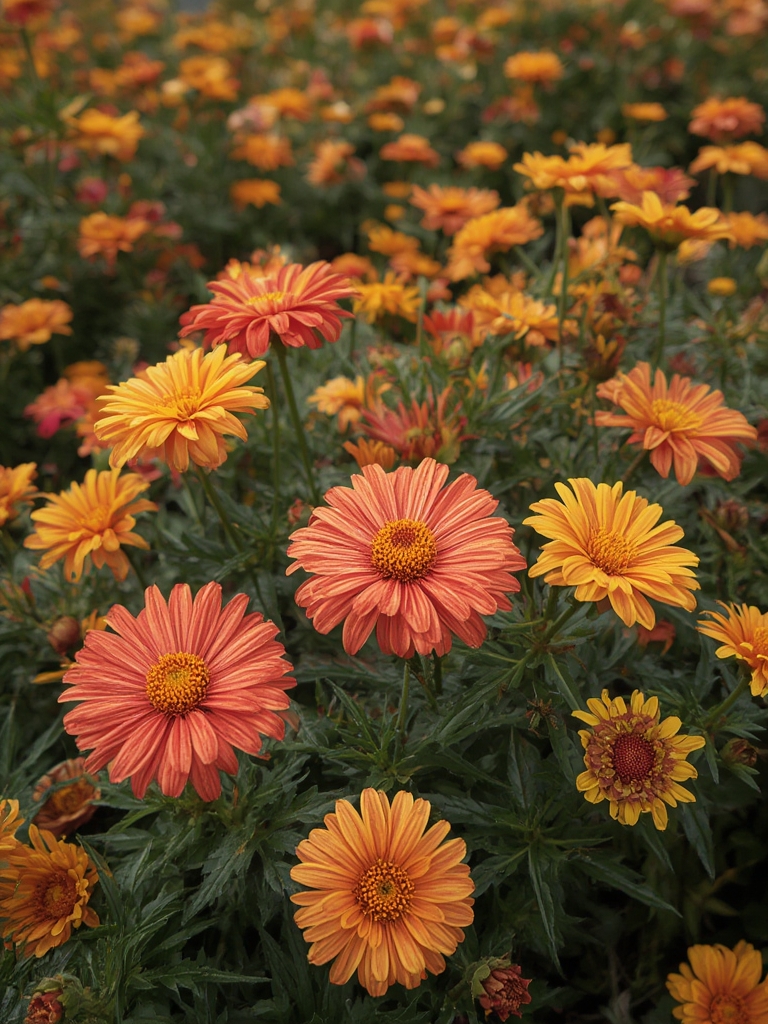
- Full‑sun: 6–8 hours of direct light (e.g., roses, marigolds).
- Partial‑shade: 3–6 hours (e.g., begonias, ferns).
- Shade‑loving: < 3 hours (e.g., hostas, impatiens).
Use a light‑meter app or a simple shadow test at noon to verify your garden’s exposure.
Soil pH & Texture
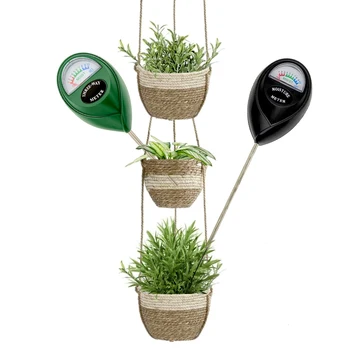
Most flowering plants prefer a slightly acidic to neutral pH (6.0–7.0). Test your soil with a kit or a digital meter. If the pH is off, amend with:
- Dolomite lime to raise pH.
- Sulfur or peat moss to lower pH.
2. Prepare the Planting Bed
Clear, Loosen, and Enrich
Remove weeds, rocks, and old roots. Loosen the top 12‑18 inches using a garden fork or tiller. Incorporate 2–3 inches of organic compost—this boosts microbial activity and improves water retention.
Optimal Drainage
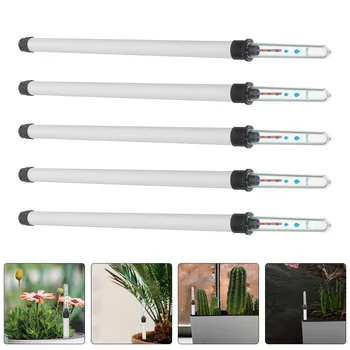
Good drainage prevents root rot. If your soil is heavy clay, create raised beds or add coarse sand (1 part sand to 3 parts soil). A simple “finger test”: dig a hole, fill with water, and watch the drainage time. Ideal is 30 seconds to 2 minutes.
3. Planting Your Flowers
Seed vs. Transplant
- Seeds: Direct‑sow cool‑season flowers (e.g., pansies) ¼‑½ inches deep after the last frost. Space according to the seed packet—usually 6–12 inches apart.
- Transplants: Warm‑season flowers (e.g., petunias) should be set out after soil reaches 65 °F. Dig a hole twice as wide as the root ball, place the plant at the same depth it was in the pot, and backfill gently.
Spacing for Airflow
Overcrowding reduces air circulation, inviting disease. Follow the “two‑finger rule”: leave at least two finger‑widths (≈1 inch) between plants for small varieties, and up to 12 inches for larger shrubs.

4. Watering Strategies
Frequency & Quantity
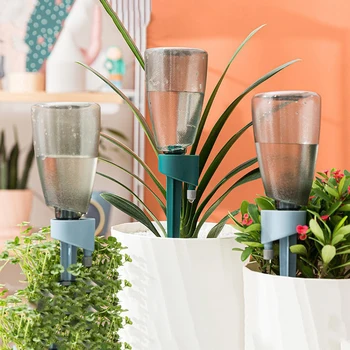
Newly planted seedlings need consistent moisture—aim for 1 inch of water per week (including rainfall). Use a rain gauge or a simple ruler in a saucer to measure. Once established, deep‑water every 7–10 days, allowing the top 2 inches of soil to dry between sessions.
Best Practices
- Water at the base, not overhead, to keep foliage dry.
- Early morning watering reduces evaporation and fungal risk.
- Mulch (2‑3 inches of straw, wood chips, or shredded leaves) retains moisture and suppresses weeds.
5. Feeding & Fertilizing
Balanced Nutrients
Flowering plants thrive on a 10‑10‑10 (N‑P‑K) balanced fertilizer. Apply 1 pound per 100 sq ft every 4–6 weeks during the growing season. For heavy feeders like roses, supplement with a high‑phosphorus bloom booster (e.g., 5‑10‑5) after the first flush of buds.
Organic Alternatives
Compost tea, fish emulsion, or seaweed extracts provide micronutrients and improve soil life. Apply a diluted solution (1‑2 tablespoons per gallon) every 2 weeks for a gentle, steady feed.
6. Pruning, Deadheading, and Training
Why It Matters
Regular pruning encourages new growth, improves air flow, and extends blooming periods. Deadhead spent flowers to redirect energy into fresh buds.
Step‑by‑Step Pruning
- Identify the wilted flower head.
- Using clean, sharp pruners, cut just above the first set of healthy leaves or a node.
- For shrubs, shape by cutting back 1/3 of the oldest stems each year.
Training Vines & Climbers
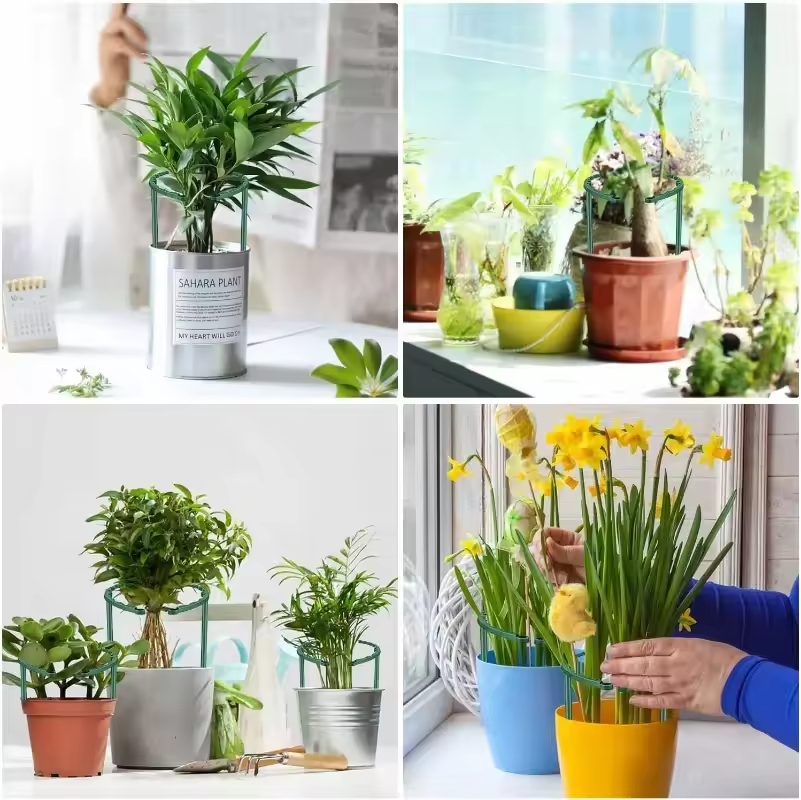
Install trellises or bamboo stakes early. Tie stems loosely with garden twine, allowing room for growth. This prevents breakage and showcases vertical displays.
7. Pest & Disease Management
Early Detection
Inspect leaves weekly for signs of aphids, spider mites, or fungal spots. A quick 5‑minute scan can catch problems before they spread.
Eco‑Friendly Controls
- Aphids: Spray a neem oil solution (1 tsp per quart of water) early morning.
- Powdery Mildew: Increase airflow, avoid overhead watering, and apply a copper‑based fungicide if needed.
- Slugs: Scatter crushed eggshells or use iron phosphate bait.
8. Harvesting & DIY Flower Arrangements
Timing the Cut
Pick blooms when buds are just opening—this gives the longest vase life. Cut stems at a 45° angle, 1‑2 inches above the first set of leaves.
Quick‑Fix Vase Prep
- Fill a clean vase with lukewarm water.
- Add 1 teaspoon of sugar and a few drops of bleach (to inhibit bacteria).
- Trim stems under running water to prevent air bubbles.
Easy DIY Arrangement Ideas 🌼💖
- “Rainbow Burst”: Combine one color from each spectrum—red gerbera, orange marigold, yellow sunflower, green hydrangea, blue delphinium, and violet lavender. Arrange tall stems in the center, surrounding them with shorter filler blooms.
- “Rustic Charm”: Use a mason jar, add a handful of sand or pebbles for weight, and place a mix of wildflowers (e.g., cornflowers, daisies) with sprigs of eucalyptus for texture.
- “Mini Wreath”: Secure a foam ring to a wooden dowel, then glue small buds (baby’s breath, tiny roses) in a circular pattern. Hang it on a patio door for instant curb appeal.
9. Seasonal Maintenance Checklist
Spring
- Clean beds, add compost, and plant early‑season annuals.
- Divide perennials (e.g., daylilies) to rejuvenate growth.
Summer
- Mulch heavily, water deeply, and deadhead regularly.
- Watch for heat‑stress; provide shade cloth for delicate varieties.
Fall
- Plant cool‑season bulbs (tulips, crocuses) before the first frost.
- Apply a slow‑release fertilizer to help perennials store energy.
Winter
- Cover tender plants with burlap or frost blankets.
- Prune dormant shrubs and clean up fallen debris to reduce disease risk.
By following these data‑driven steps and sprinkling in the practical tips above, you’ll cultivate a thriving flower garden that not only looks spectacular but also supplies you with fresh, beautiful blooms for endless DIY arrangements. Happy gardening, and enjoy those moments of creativity with every blossom you nurture! 🌸