
Creating a thriving herbs and aromatic garden is one of the most rewarding projects you can undertake in a small space or a sprawling backyard. Not only do these plants provide fresh flavors for the kitchen, they also fill the air with soothing scents that can turn any garden into a sensory sanctuary. By following a data‑driven approach—selecting varieties that perform best in your climate, soil type, and micro‑climate—you’ll enjoy consistent harvests and a garden that looks and smells amazing all season long. Below you’ll find a step‑by‑step guide, packed with practical tips, tricks, and actionable advice, to help you grow, maintain, and harvest a vibrant herb and aromatic garden.
1. Choose the Right Herbs for Your Climate
Start by consulting regional planting data (USDA hardiness zones, local extension reports, or online climate tools). Herbs such as rosemary, thyme, sage, and lavender thrive in USDA zones 5‑9, while cilantro and dill prefer cooler zones 3‑7. Use a simple spreadsheet to list each herb, its optimal temperature range, and water needs. This will help you avoid trial‑and‑error and focus on varieties that are proven performers in your area.
Actionable tip
- Check your zone on the USDA map, then filter herbs by “zone‑compatible” in a gardening app.
- Mark herbs that need full sun (≥6 hours) versus partial shade to plan placement.
2. Prepare the Soil – The Foundation of Success
Most culinary herbs love well‑draining, slightly alkaline soil (pH 6.5‑7.5). Conduct a quick soil test using a home kit or send a sample to a local lab. If the pH is too low, incorporate garden lime; if it’s too high, add elemental sulfur. Amend the soil with 2‑3 inches of coarse sand or fine gravel to improve drainage, especially for Mediterranean herbs like rosemary and lavender.
Practical step
- Mix 1 part compost, 1 part sand, and 2 parts native soil for raised beds.
- For container planting, use a high‑quality potting mix with perlite or vermiculite.
3. Planting Layout – Maximizing Space and Aroma
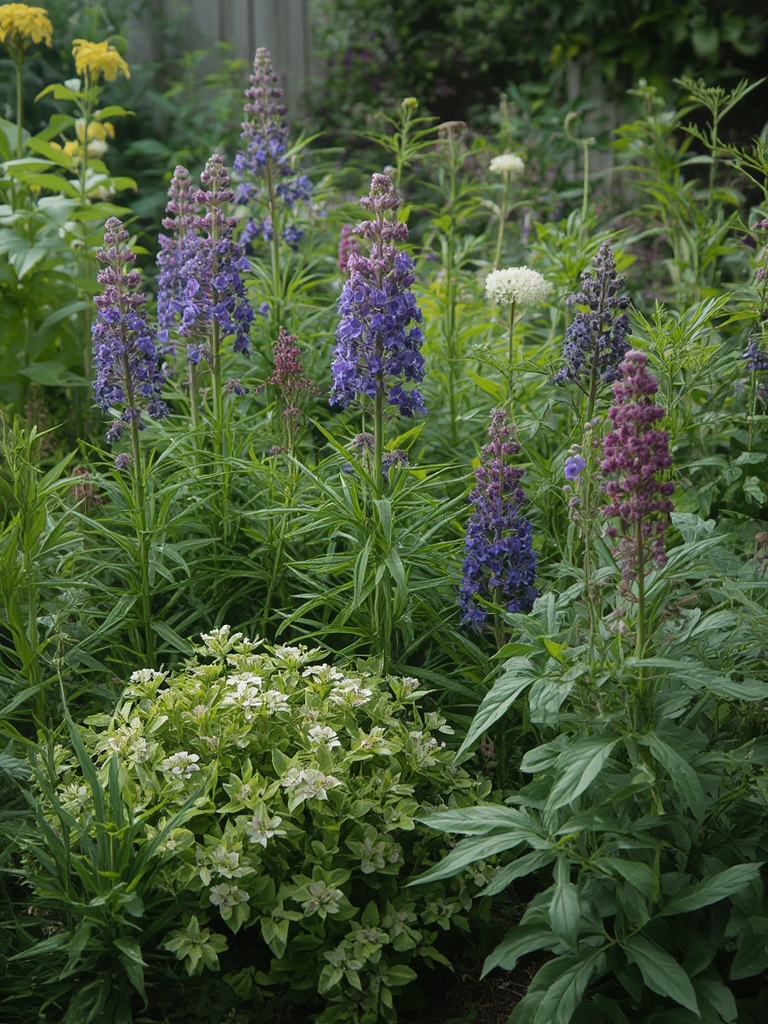
Design your garden using a “companion planting” matrix. Herbs with similar water needs should be grouped together to simplify irrigation. Place taller, woody herbs (rosemary, sage) on the north side of the bed to prevent shading the lower‑growth herbs (basil, chives). Intermix fragrant herbs with ornamental plants like ornamental kale or mums to create visual interest and extend the blooming season.
Actionable advice
- Space herbs 12‑18 inches apart; use a ruler or measuring tape for consistency.
- Mark each planting spot with a reusable plant label to avoid confusion later.
4. Watering and Fertilizing – Data‑Driven Scheduling
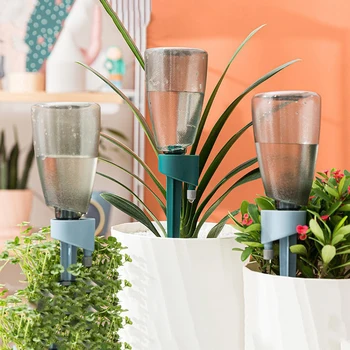
Herbs generally prefer deep, infrequent watering over light daily sprinkling. Install a drip‑irrigation system with a timer set to water based on soil moisture sensors or local evapotranspiration data. This reduces water waste and prevents root rot. Fertilize sparingly; a balanced 10‑10‑10 fertilizer applied at half the recommended rate once in early spring is sufficient for most herbs.
Quick tip
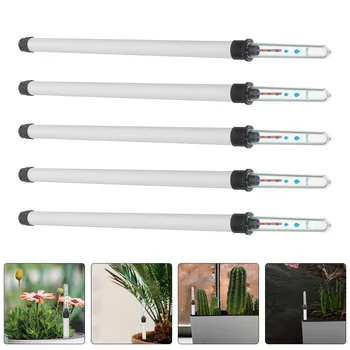
- Use a moisture meter: when the reading shows “dry” at a depth of 2 inches, water for 5‑10 minutes per plant.
- Apply a thin layer of compost tea around the base of each herb once a month for a gentle nutrient boost.
5. Pruning and Harvesting – Keeping Plants Productive
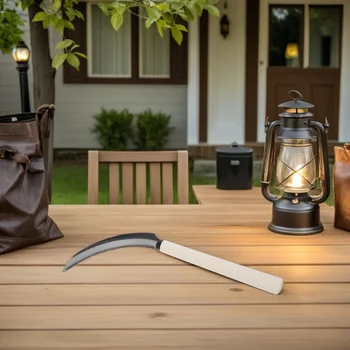
Regular pruning encourages bushier growth and prevents woody stems. For basil, pinch off the top 2‑3 inches once the plant reaches 6 inches tall. For woody herbs like rosemary, trim no more than one‑third of the plant in early spring. Harvest in the morning after the dew has dried but before the sun intensifies; this preserves essential oils and flavor.
Step‑by‑step pruning guide
- Identify the growth tip (the newest, softest shoot).
- Use clean, sharp scissors to cut just above a leaf node.
- Remove any flower spikes early to prolong leaf production.
- Collect the cut stems in a paper bag; avoid plastic to reduce moisture buildup.
6. Managing Pests and Diseases Naturally
Data from local extension services show that aphids, spider mites, and fungal leaf spots are the most common issues for herb gardens. Use preventative measures: mulch with straw to reduce soil splash, and introduce beneficial insects like ladybugs. If you spot an infestation, spray a homemade neem oil solution (1 teaspoon neem oil + 1 cup water + a few drops dish soap) every 7‑10 days.

Small actionable advice
- Rotate crops annually; move potted herbs to different locations each season.
- Inspect leaves weekly; early detection cuts treatment costs.
7. Extending the Season with Late‑Season Blooms
Fill your garden with warmth using late season blooms that thrive in crisp weather 🌼🍂. Plants like ornamental kale, winter savory, and rosemary continue to provide color and fragrance well into fall. Pair these with hardy herbs such as thyme and mint, which stay productive even after the first frost. Adding a layer of mulch helps retain soil heat, allowing the aromatic garden to remain vibrant and fragrant throughout the cooler months.
Season‑extension tip
- Cover beds with a frost blanket on nights when temperatures dip below 32 °F (0 °C).
- Harvest the last few weeks of growth for dried herbs; they store well in airtight jars.
8. Harvest Storage – Keeping Flavor Fresh
After cutting, rinse herbs gently and pat dry with a kitchen towel. For leafy herbs (basil, cilantro), wrap in a slightly damp paper towel and store in the refrigerator’s crisper drawer. For woody herbs (rosemary, sage), bundle stems and hang them upside down in a cool, dark place to dry. Once fully dried, crush or crumble and store in glass jars away from direct sunlight.
Quick storage checklist
- Label each jar with the herb name and harvest date.
- Use a small desiccant packet for extra moisture control.
- Rotate stock: use older jars first to maintain freshness.
By following these data‑driven steps and incorporating the practical tips above, you’ll build a resilient, aromatic garden that provides fresh flavors, beautiful scents, and visual appeal from spring through winter. Happy planting, and enjoy the fragrant bounty of your own herb haven!