Choosing the Right Herbs for Your Aromatic Garden
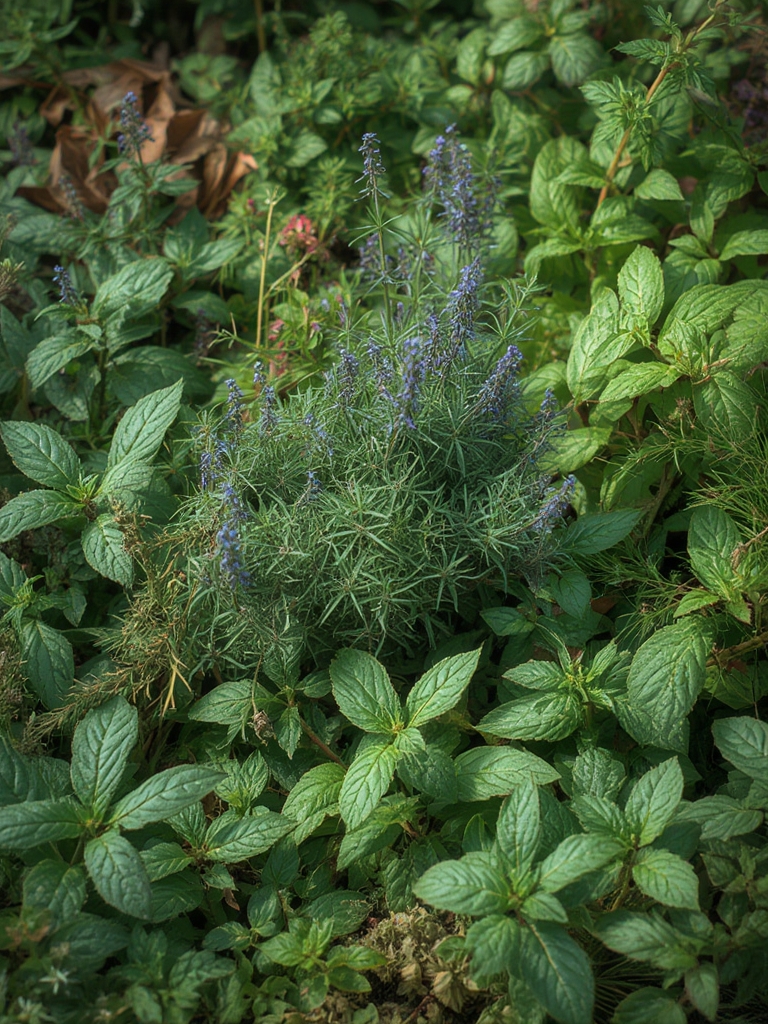
Start by selecting herbs that match your climate, sunlight availability, and culinary preferences. Mint, rosemary, thyme, basil, lavender, and sage are beginner‑friendly and provide a range of scents and flavors. Consider a mix of perennial herbs (e.g., rosemary, lavender) for year‑round structure and annuals (e.g., basil, cilantro) for seasonal bursts.
Step 1: Assess Sunlight
- Most aromatic herbs need 6‑8 hours of direct sun. Use a sunlight meter or simply observe the spot from sunrise to sunset.
- If you have a shady balcony, choose shade‑tolerant varieties like mint, chives, or lemon balm.
Step 2: Check Soil pH
- Herbs thrive in slightly alkaline to neutral soil (pH 6.5‑7.5). Test the soil with a simple kit; if it’s too acidic, add garden lime.
- For container gardens, use a high‑quality potting mix with added perlite for drainage.
Preparing the Soil and Containers
Healthy soil is the foundation of a thriving aromatic garden. Whether you’re planting in raised beds, a garden plot, or containers, follow these preparation steps.
Step 1: Amend the Soil
- Work in 2‑3 inches of organic compost or well‑rotted manure to improve fertility and moisture retention.
- For sandy soils, add a handful of peat moss per square foot to increase water‑holding capacity.
Step 2: Ensure Proper Drainage
- In beds, incorporate a 1‑inch layer of coarse sand or fine gravel at the bottom.
- For pots, place a layer of broken pottery shards or pea gravel before adding potting mix.
Step 3: Mulch Early
- Spread a 1‑2 inch layer of shredded bark, straw, or dried herbs. Mulch suppresses weeds, conserves moisture, and adds a pleasant aroma.
Planting and Spacing Techniques
Correct planting depth and spacing prevent competition for nutrients and airflow, reducing disease risk.
Step 1: Follow Seed Packet Guidelines
- Plant seeds at a depth of ¼‑½ their size. For larger seeds (e.g., dill), sow ½ inch deep.
- Label each row or pot to avoid mix‑ups during harvest.
Step 2: Space for Air Circulation
- Perennial herbs: 12‑18 inches apart.
- Annual herbs: 8‑12 inches apart.
- In containers, give each plant at least 6‑8 inches of space to expand.
Step 3: Planting Transplants
- Dig a hole twice as wide as the root ball.
- Set the plant so the crown (where stems meet roots) sits level with the soil surface.
- Backfill gently and firm the soil around the roots to eliminate air pockets.
Watering, Feeding, and Ongoing Care
Consistent moisture and light feeding keep herbs aromatic and productive.
Step 1: Watering Schedule
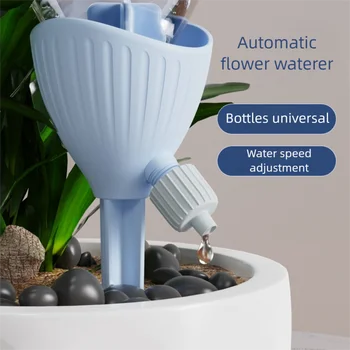
- Water deeply once a week rather than shallow daily sprinklings. This encourages deep root growth.
- Check soil moisture by sticking a finger 2 inches deep; if it feels dry, water.
- Early morning watering reduces evaporation and fungal risk.
Step 2: Fertilization
- Apply a balanced, organic fertilizer (10‑10‑10) at half the recommended rate every 4‑6 weeks.
- Alternatively, top‑dress with a thin layer of compost in spring and after each harvest.
Step 3: Pruning and Harvesting
- Harvest leaves just before the plant flowers for maximum flavor.
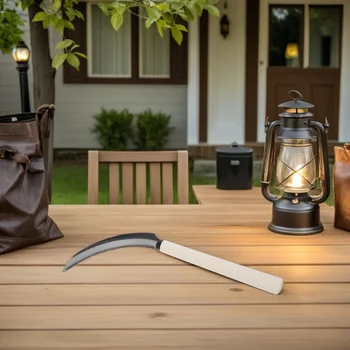
- Snip stems with clean scissors, leaving at least one-third of the plant intact.
- Regularly trim woody stems (e.g., rosemary) to encourage fresh growth.
Designing a Peaceful and Simple Aromatic Garden Space
Beyond the plants themselves, the garden’s layout and ambiance influence how you experience its scents and colors.
Step 1: Choose a Calming Color Palette
- Use neutral paving stones, light‑colored pots, and natural wood benches.
- Incorporate soft foliage like lamb’s ear or ornamental grasses to balance the bold greens of herbs.
Step 2: Add Sensory Elements
- Place a small water feature or a bamboo wind chime to introduce gentle sound.
- Scatter smooth river stones along pathways for tactile interest.
- Position aromatic herbs near seating areas so their fragrance wafts naturally as you sit.
Step 3: Keep the Layout Simple
- Arrange herbs in geometric rows or gentle curves; avoid overcrowding.
- Use raised beds or tiered containers to define clear boundaries.
- Maintain a single focal point—like a lavender archway or a rosemary hedge—to draw the eye and create visual calm.
Step 4: Light and Shade Balance
- Install a pergola or shade sail if your garden receives intense midday sun. This protects delicate herbs like basil and adds a cozy nook.
- Use reflective surfaces (e.g., a light‑colored wall) to bounce sunlight into shaded corners, ensuring even growth.
Small Actionable Tips for Ongoing Success
- Rotate crops annually: Move annual herbs to a new spot each year to prevent soil‑borne diseases.
- Companion planting: Pair basil with tomatoes, or mint with cabbage, to improve pest resistance.
- DIY pest control: Spray a mixture of water, a few drops of dish soap, and a splash of neem oil to deter aphids without harming beneficial insects.
- Seasonal pruning: In late fall, cut back perennials to a few inches above ground; they will regrow in spring.
- Harvest responsibly: Never remove more than one‑third of a plant at once; this ensures continued vigor.
By following these data‑driven steps and integrating thoughtful design, you’ll create an aromatic garden that not only supplies fresh herbs for the kitchen but also offers a tranquil retreat for the senses. Happy planting!