
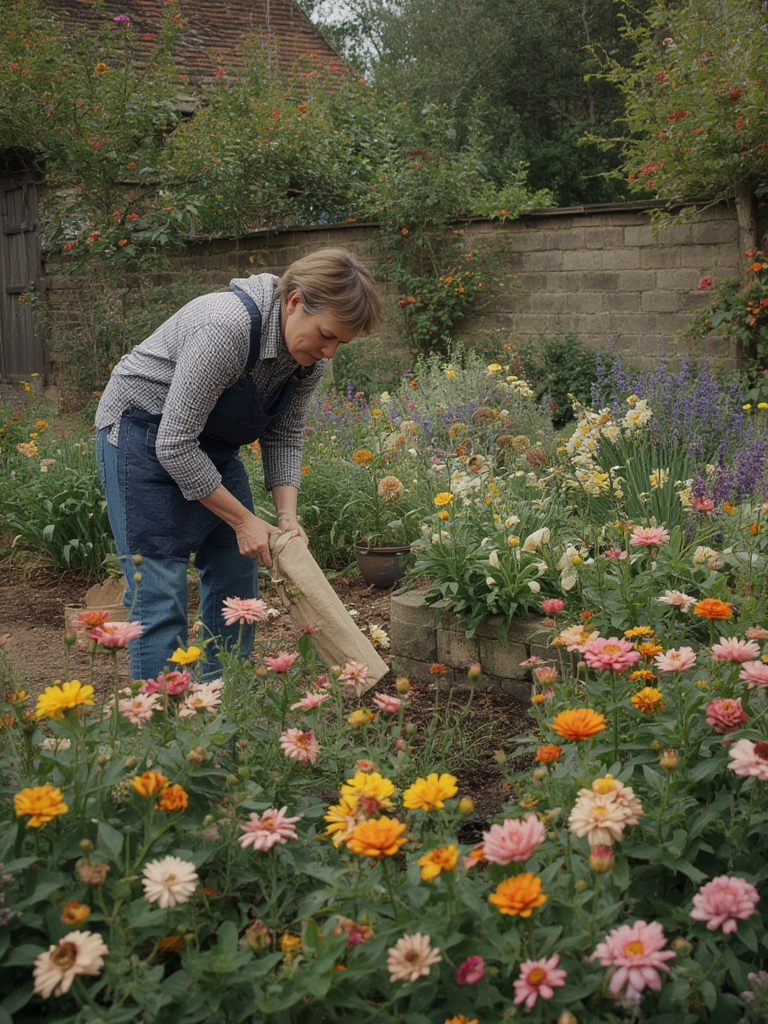
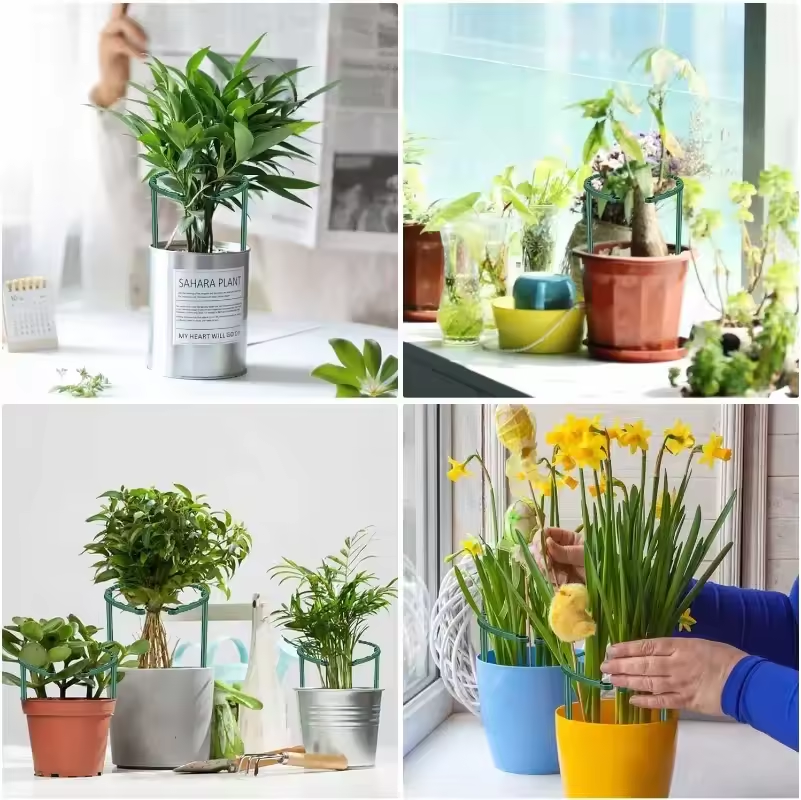

Flower gardening is both an art and a science, and with the right data‑driven approach you can create a vibrant, low‑maintenance display that blooms year after year. Below you’ll find a step‑by‑step guide that blends proven horticultural research with practical, actionable tips. Follow each phase—from site selection to seasonal care—to maximize bloom density, extend flowering periods, and ensure your garden thrives with minimal effort.
1. Choose the Right Site and Soil
Assess Sunlight Exposure
Most flowering perennials need 6–8 hours of direct sunlight daily. Use a simple sunlight log: record the amount of sun each spot receives over three consecutive days. If a location consistently hits the 6‑hour mark, it’s ideal for sun‑loving species like Lavandula angustifolia (English lavender) or Echinacea purpurea (purple coneflower).
Test and Amend Soil
Take a soil sample from 6‑8 inches deep and send it to a local extension service. Aim for a pH between 6.0 and 6.8 for most perennials. If the test shows acidity below 6.0, incorporate agricultural lime at the recommended rate (usually 5 lb per 100 sq ft). For alkaline soils, add sulfur or peat moss to lower pH. Mix in 2–3 inches of compost to improve structure and moisture retention.
2. Select Perennial Flowers for Long‑Lasting Color
Data‑Backed Picks
Based on USDA hardiness zone data and bloom duration studies, the following perennials consistently deliver >8 weeks of color and high return rates:
- Echinacea purpurea – Blooms midsummer to early fall; attracts pollinators.
- Rudbeckia fulgida (Black-eyed Susan) – 8‑10 weeks of bright yellow flowers.
- Salvia nemorosa – Long spikes of purple‑blue blooms, drought‑tolerant.
- Gaillardia × grandiflora (Blanket Flower) – Heat‑resistant, continuous bloom.
- Coreopsis verticillata – Fine foliage, yellow blooms lasting 10+ weeks.
Mixing for Continuous Color
Plan your garden in three bloom windows (early, mid, late season). Pair early‑season Phlox subulata (creeping phlox) with mid‑season Echinacea and late‑season Aster novae-angliae. This staggered approach ensures there’s always something in flower.
3. Prepare the Planting Bed
Layout and Spacing
Use a garden planner app or graph paper to map out plant locations. Follow these spacing guidelines (center‑to‑center):
- Echinacea – 24 inches
- Rudbeckia – 18 inches
- Salvia – 12 inches
- Gaillardia – 12–15 inches
- Coreopsis – 10 inches
Correct spacing improves air circulation, reduces disease risk, and allows each plant to reach its full size.

Bed Preparation Steps
- Clear the area: Remove weeds, grass, and debris.
- Loosen the soil: Till to a depth of 12 inches.
- Incorporate amendments: Add the compost and any lime or sulfur based on your soil test.
- Level the surface: Rake smooth to avoid water pooling.
- Water the bed: Give a deep soak (about 1 inch) to settle the soil before planting.
4. Planting Techniques for Success
Timing
Plant perennials in early spring (after the last frost) or early fall (when soil is still warm). Research shows fall planting results in a 15‑20% higher survival rate because roots establish before winter.
Planting Procedure
- Dig a hole twice as wide and the same depth as the root ball.
- Gently loosen the roots; trim any broken or dead tips.
- Place the plant so the crown sits 1–2 inches above ground level. This prevents crown rot.
- Backfill with native soil mixed with a handful of compost.
- Firm the soil gently and water thoroughly (aim for 1–2 gallons per plant).
Mulching
Apply a 2‑inch layer of organic mulch (shredded bark, straw, or leaf mold). Mulch conserves moisture, suppresses weeds, and slowly adds nutrients as it decomposes.
5. Ongoing Care and Maintenance
Watering Schedule
During the first 4 weeks, water twice a week with 1 inch of water per session. After establishment, reduce to once a week unless temperatures exceed 90°F, then increase to twice.
Fertilizing
Use a balanced, slow‑release fertilizer (10‑10‑10) at a rate of 1 lb per 100 sq ft in early spring. For a boost in late summer, apply a light dose of organic kelp meal to support seed head formation.
Deadheading and Pruning
Remove spent blooms weekly to encourage repeat flowering. For taller perennials like Salvia, cut back stems to just above the first set of leaves after the first flush to promote a second wave of blooms.
Dividing Perennials
Every 3–4 years, divide overcrowded clumps in early spring. Dig up the plant, split the root ball into sections with at least 3–4 healthy shoots each, and replant using the steps above. Dividing improves vigor and prevents decline.
6. Pest and Disease Management
Integrated Pest Management (IPM)
Monitor plants weekly for signs of aphids, spider mites, or fungal spots. Use the following hierarchy:
- Prevention: Maintain proper spacing and air flow.
- Mechanical control: Hand‑pick pests or spray with a strong jet of water.
- Biological control: Introduce beneficial insects like ladybugs.
- Chemical control: As a last resort, apply a neem oil spray (follow label rates).
Common Diseases & Quick Fixes
- Powdery mildew: Increase sunlight exposure, avoid overhead watering, and apply a sulfur spray.
- Root rot: Ensure soil drains well; amend heavy clay with sand or perlite.
- Leaf spot: Remove affected leaves promptly and mulch to keep foliage dry.
7. Extending the Season
Fall Color and Winter Interest
Plant Heuchera (coral bells) and ornamental grasses like Panicum virgatum among your perennials. Their foliage adds texture after the main bloom period, and the grasses provide seed heads for birds.
Protective Measures
In colder zones, cover tender perennials with a light frost cloth after the first hard freeze. This can reduce winter damage by up to 30% according to extension research.
Conclusion
By grounding your flower garden in data—soil tests, sunlight logs, and bloom‑duration research—you set a solid foundation for a thriving, colorful landscape. Follow the step‑by‑step workflow, choose the recommended perennials, and apply the practical tips for watering, fertilizing, and pest control. Within a single growing season you’ll see a continuous splash of color, and with yearly maintenance you’ll enjoy a resilient garden that returns vibrant blooms year after year.
