Indoor gardening is more than a decorative hobby—it’s a science‑backed way to boost air quality, reduce stress, and bring a splash of nature into any living space. Whether you’re a complete beginner or looking to refine your green thumb, this data‑driven guide walks you through every stage of growing healthy indoor plants, from seed selection to thriving bloom. Follow the step‑by‑step plan, sprinkle in the practical tips, and you’ll experience the joy of nurturing flowers from seed to bloom 🌱💖.
1. Choose the Right Plant for Your Space
Assess Light Conditions
Use a light meter app or a simple DIY test: place a piece of white paper on the windowsill for 30 minutes. If the paper feels warm, you have bright indirect light; if it stays cool, you’re in low‑light territory. Match plants accordingly:
- Bright indirect: Spider plant, pothos, fiddle‑leaf fig.
- Low light: ZZ plant, snake plant, cast‑iron plant.
Consider Temperature & Humidity
Most indoor plants thrive between 65‑75 °F (18‑24 °C). If your home is dry (common in winter), pick humidity‑tolerant species like peace lily or Boston fern, and plan to boost moisture with a pebble tray or humidifier.
Space & Growth Habit
Measure the floor or shelf space. Trailing vines (e.g., pothos) need hanging baskets, while upright growers (e.g., rubber plant) need tall pots. Use a spreadsheet to log dimensions and growth rates—this data helps you avoid overcrowding.
2. Prepare the Perfect Growing Medium
Choose the Right Soil Mix
Indoor plants generally need well‑draining soil to prevent root rot. A reliable blend is:
- 40 % peat moss or coco coir (moisture retention).
- 30 % perlite or pumice (aeration).
- 30 % composted bark or pine bark (structure).
For succulents, increase perlite to 50 % and reduce peat to 20 % for a sandier mix.
Pot Selection & Drainage
Pick a pot that’s 1‑2 inches larger than the root ball. Ensure it has at least one drainage hole. If you love a decorative pot without holes, place a “false bottom” of stones inside and line the bottom with a mesh fabric to keep soil from escaping.

3. Seed Sowing & Propagation
Start Seeds Indoors
Use a seed‑starting tray with a clear dome to maintain humidity. Fill each cell with a light seed‑starting mix (½ peat, ½ perlite). Sprinkle seeds on the surface, then lightly press them in—do not cover with soil unless the seed packet specifies.
Tip: Label each cell with the plant name and sowing date. Tracking germination rates (e.g., % sprouted after 7 days) provides data for future batches.
Watering Technique
Use a mist spray bottle to keep the surface moist but not soggy. Over‑watering is the #1 cause of seed failure. A good rule: water when the top ¼ inch of the mix feels dry to the touch.
Transplanting Seedlings
When true leaves appear (usually 2‑3 weeks), gently lift seedlings with a spoon and transfer them to larger pots. Add a balanced, water‑soluble fertilizer at half strength to encourage robust growth.
4. Ongoing Care & Maintenance
Watering Schedule
Base watering on plant type and environment:
- High‑water plants (e.g., peace lily): water once a week, keeping soil consistently moist.
- Low‑water plants (e.g., succulents): water every 2‑3 weeks, allowing soil to dry completely between waterings.
Use a moisture meter for precision—aim for a reading of 40‑60 % for most foliage plants.
Fertilizing
Apply a 20‑20‑20 (N‑P‑K) balanced fertilizer during the active growing season (spring‑early fall). Follow the label’s dosage, typically ¼ teaspoon per gallon of water. Reduce feeding in winter when growth naturally slows.
Pruning & Grooming
Regular pruning encourages bushier growth and prevents leggy stems. Use clean, sharp scissors to cut just above a node (the point where a leaf joins the stem). Remove any yellow or brown leaves promptly to reduce disease risk.
Pest Management
Common indoor pests include spider mites, mealybugs, and fungus gnats. Conduct a weekly visual inspection:
- Check undersides of leaves for tiny webs or specks.
- Feel the soil surface—if it feels “sandy” and you see tiny black flies, you have fungus gnats.
For mild infestations, spray leaves with a diluted neem oil solution (1 tsp per quart of water). For gnats, let the soil dry between waterings and add a thin layer of sand on top.
5. Enhancing Growth with Data‑Driven Adjustments
Track Environmental Variables
Set up a simple spreadsheet with columns for:
- Date
- Temperature (°F/°C)
- Relative humidity (%)
- Light exposure (hours)
- Water volume (ml)
- Fertilizer amount
- Growth metrics (leaf count, height)
Analyzing trends helps you pinpoint what boosts growth. For example, a 5 % increase in humidity may correlate with larger leaf size for tropical species.
Use Smart Sensors (Optional)
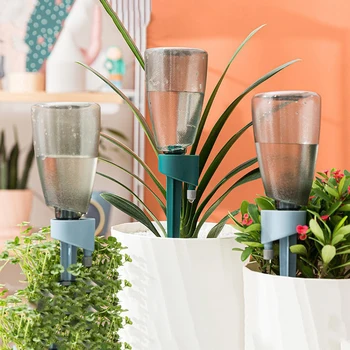
If budget allows, integrate a Bluetooth plant sensor that logs moisture, temperature, and light. Sync the data with a phone app to receive real‑time alerts—this reduces guesswork and prevents over‑ or under‑watering.
6. Harvesting & Enjoying Blooms
Encourage Flowering
Many indoor plants need a period of cooler temperatures (around 55‑60 °F) and reduced watering to trigger blooms. Adjust the thermostat or move the plant to a cooler room for 4‑6 weeks in late winter.
Cutting Flowers
When buds open, use clean shears to cut stems at a 45‑degree angle, just below a node. Place stems in a vase with fresh water and a pinch of sugar to extend vase life.
Share the Joy
Give cuttings to friends or start a small indoor plant swap. Propagating from cuttings is a cost‑effective way to expand your collection and spread the therapeutic benefits of indoor gardening.
7. Troubleshooting Common Issues
Yellowing Leaves
Often a sign of over‑watering or nutrient deficiency. Check soil moisture first; if it’s soggy, repot in fresh, well‑draining mix. If soil is dry, apply a balanced fertilizer.
Leggy Stems
Indicates insufficient light. Move the plant closer to a window or add a full‑spectrum LED grow light for 12‑14 hours daily.
Brown Leaf Tips
Usually caused by low humidity or salt buildup from fertilizer. Increase humidity with a pebble tray and flush the soil with clear water to leach excess salts.
Conclusion
By combining scientific observation with simple, actionable steps, you can turn any corner of your home into a thriving indoor garden. Remember to monitor light, water, and nutrients, log your observations, and adjust based on real data. With patience and a bit of data‑driven care, you’ll watch seedlings sprout, foliage flourish, and blossoms burst—delivering both beauty and well‑being to your indoor oasis.