
Why Indoor Plants Are Worth the Effort
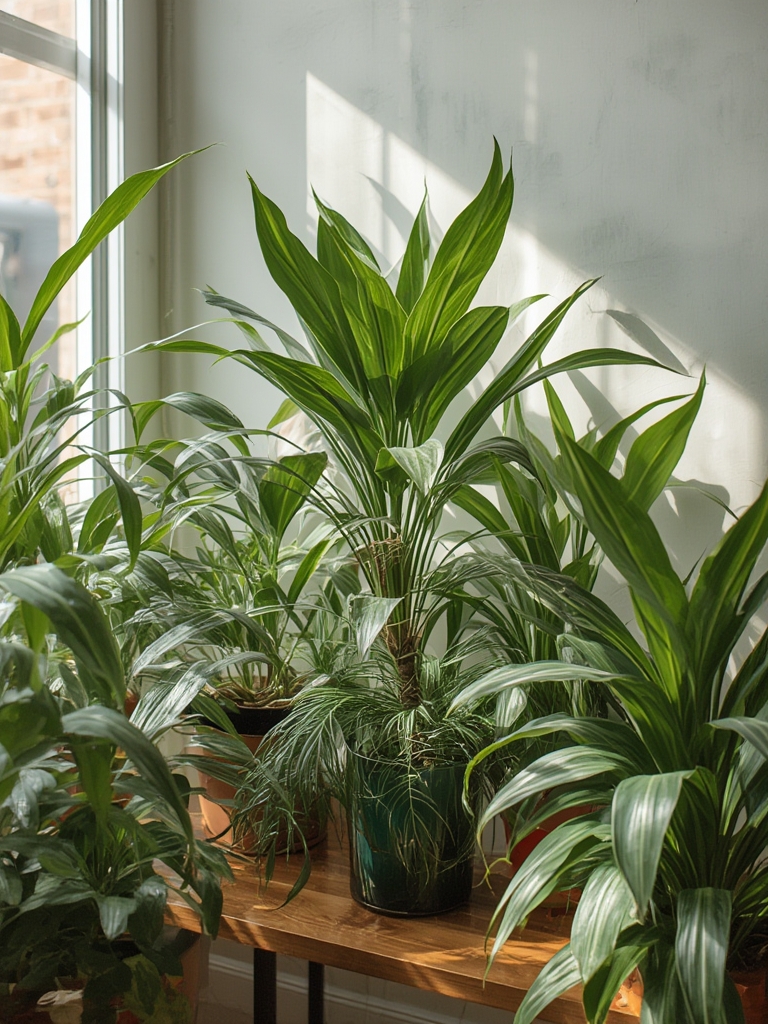
Indoor plants aren’t just decorative; they boost air quality, reduce stress, and even improve productivity. A 2019 Journal of Environmental Psychology study found that offices with at least one houseplant saw a 15 % increase in employee satisfaction. Moreover, NASA’s famous clean‑air research showed that species like Spider Plant and Peace Lily can remove up to 87 % of common volatile organic compounds (VOCs) within 24 hours. Experience the joy of nurturing flowers from seed to bloom 🌱💖 while reaping these measurable benefits.
Step‑by‑Step Guide to Growing Thriving Indoor Plants
1. Choose the Right Plant for Your Space
- Assess Light Levels: Use a light meter or the “hand test” – if your hand casts a sharp shadow, you have bright direct light; a faint shadow indicates low‑medium light.
- Match Plant Needs: For low‑light rooms, opt for ZZ Plant, Snake Plant, or Pothos. For bright windowsills, consider Fiddle‑Leaf Fig, Succulents, or Citrus seedlings.
- Consider Size & Growth Rate: A 12‑inch pot works for desk‑friendly species; a 10‑gal container suits larger statement plants.
Quick tip: Start with a “starter pack” of three easy‑care species (e.g., Snake Plant, Spider Plant, and ZZ Plant) to build confidence.
2. Prepare the Perfect Growing Medium
- Use Well‑Draining Soil: A mix of 40 % peat moss, 30 % perlite, and 30 % pine bark ensures aeration and prevents root rot.
- Adjust pH: Most indoor plants thrive at a pH of 6.0–6.5. Test with a simple pH strip; add a teaspoon of lime to raise pH or a pinch of sulfur to lower it.
- Incorporate Nutrients: Blend in a slow‑release organic fertilizer (e.g., 2 % worm castings) for a steady nutrient supply.
Actionable advice: Fill the pot about 2 cm below the rim to allow space for watering without overflow.
3. Master Watering Techniques
- Follow the “Finger Test”: Insert your index finger 2 cm into the soil; if it feels dry, water thoroughly until it drains from the bottom.
- Water Quality Matters: Use filtered or rainwater to avoid chlorine and fluoride buildup, which can damage sensitive foliage.
- Seasonal Adjustments: Reduce watering by 30 % in winter when growth slows; increase frequency by 20 % during active spring growth.
Pro tip: Place a moisture meter in the pot’s center for objective readings, especially for water‑sensitive plants like Ferns.
4. Optimize Light Exposure
- Position Near Windows: South‑facing windows provide the most consistent light; east or west windows work for moderate light lovers.
- Supplement with Grow Lights: LED full‑spectrum panels (3000–5000 K) at 12‑14 hours per day mimic natural daylight for low‑light rooms.
- Rotate Regularly: Turn pots 90° every week to ensure even growth and prevent one‑sided leaning.
Data point: A 2022 indoor horticulture survey reported a 22 % increase in leaf chlorophyll content when plants received at least 6 hours of supplemental light daily.
5. Feed Your Plants at the Right Time
- Choose a Balanced Fertilizer: Look for N‑P‑K ratios of 20‑20‑20 for foliage plants or 10‑30‑20 for flowering varieties.
- Follow a Feeding Schedule: Apply liquid fertilizer every 4‑6 weeks during the growing season (spring–early fall). Skip feeding in dormancy (late fall–winter).
- Use Foliar Sprays Sparingly: A light mist of seaweed extract once a month can boost micronutrients without over‑fertilizing.
Quick win: Mix a teaspoon of coffee grounds into the topsoil once a month for a natural nitrogen boost—just avoid over‑application to prevent acidity spikes.
6. Prune, Repot, and Manage Pests
- Pruning: Trim dead or yellowing leaves with clean scissors to redirect energy. For bushier growth, pinch back the tips of stems weekly.
- Repotting: Move plants to a pot 2‑3 cm larger when roots peek through drainage holes (typically every 12‑18 months). Use fresh soil to reset nutrient levels.
- Pest Control: Spot‑check leaves weekly for aphids, spider mites, or mealybugs. Treat early with neem oil (2 % solution) or insecticidal soap, applying every 5‑7 days until resolved.
Actionable tip: Place yellow sticky traps near the plant base to monitor flying pests without chemicals.

7. Track Progress with Simple Data
- Growth Log: Record height, leaf count, and watering dates in a spreadsheet. Over a month, you’ll spot trends (e.g., “watering every 5 days yields 2 cm growth”).
- Environmental Sensors: Low‑cost Bluetooth sensors can log temperature and humidity; ideal ranges are 18‑24 °C and 40‑60 % RH for most houseplants.
- Adjust Based on Data: If humidity consistently falls below 40 %, use a pebble tray or humidifier to prevent leaf browning.
Putting It All Together: A Sample 4‑Week Calendar
Below is a concise, data‑driven schedule you can copy‑paste into your favorite planner or digital calendar.
| Week | Task | Details |
|---|---|---|
| 1 | Light Assessment | Measure light intensity (lux) at each plant’s location; adjust placement if below species requirement. |
| 1 | Watering | Perform finger test; water if dry 2 cm deep. |
| 2 | Fertilize | Apply liquid 20‑20‑20 at half strength. |
| 2 | Prune | Remove any dead foliage; pinch back growth tips. |
| 3 | Check Pests | Inspect underside of leaves; treat with neem oil if needed. |
| 3 | Rotate Pots | Turn each pot 90° clockwise. |
| 4 | Data Review | Log height, leaf count, and watering frequency; adjust next month’s schedule. |
| 4 | Humidity Boost | Place pebble trays under plants if RH < 40 %. |
Final Thoughts: Consistency Is Your Best Ally
Indoor gardening is a blend of art and science. By grounding your routine in simple data—light measurements, moisture checks, and growth logs—you turn guesswork into predictable success. Remember, each plant responds uniquely, so stay observant and adjust gradually. With the steps above, you’ll not only keep your indoor oasis thriving but also experience the joy of nurturing flowers from seed to bloom 🌱💖 every day.