Indoor plants can transform a living space, boost mood, and improve air quality—all while adding a touch of nature’s calm to your daily routine. Whether you’re a seasoned green thumb or just starting out, this data‑driven guide breaks down the essential steps to grow and care for indoor plants successfully. Follow the actionable tips, tricks, and small habits outlined below, and you’ll see healthier foliage, stronger growth, and a thriving indoor garden.
1. Choose the Right Plant for Your Environment
Assess Light Levels
Use a light meter app or a simple fingertip test: place your hand a foot from the window—if you can read a book comfortably, you have bright indirect light; if you need a lamp, you’re in low light. Match plants to these zones:
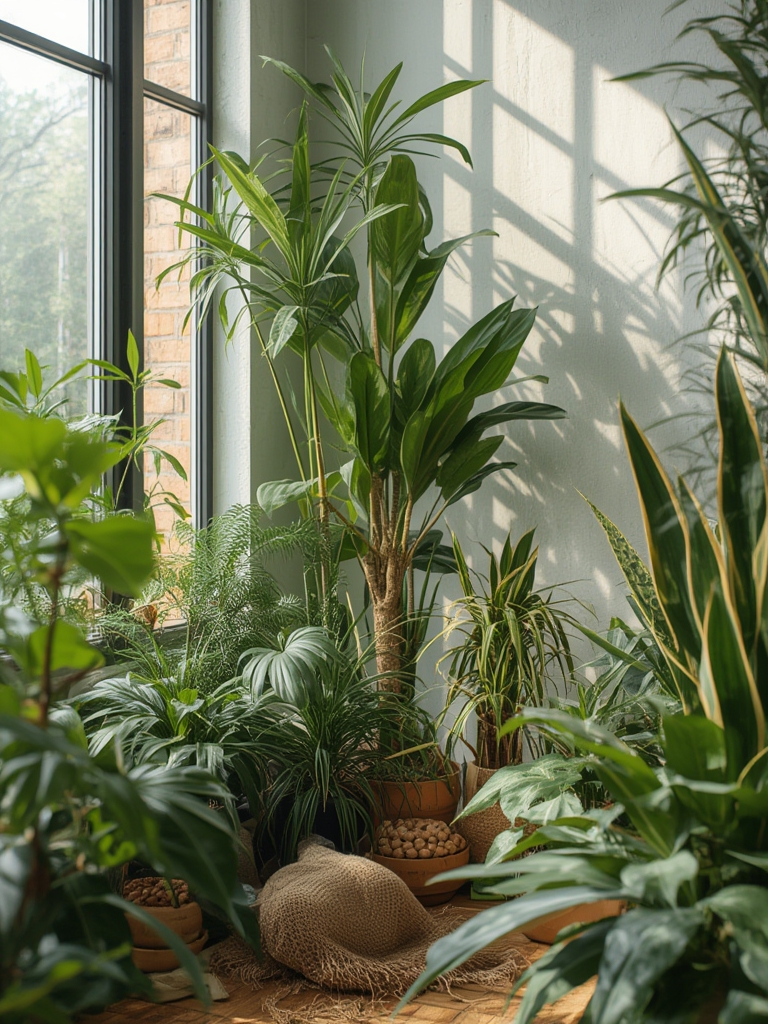
- Bright indirect: Monstera, fiddle‑leaf fig, rubber plant.
- Medium light: ZZ plant, snake plant, pothos.
- Low light: Cast‑iron plant, philodendron, peace lily.
Data from the Royal Horticultural Society shows that mismatched light is the #1 cause of indoor plant decline, so start here.
Consider Space & Growth Habit
Measure the pot’s footprint and the plant’s mature size. A 6‑inch pot can support a 12‑inch plant for a few years, but a fast‑growing spider plant will outgrow it quickly. Choose a container that allows at least 2‑3 inches of root space beyond the current root ball.
2. Master Light Management
Positioning for Optimal Exposure
Place the plant where it receives the recommended light for at least 6‑8 hours daily. Rotate the pot 90° every two weeks to ensure even growth and prevent one side from becoming leggy.
Supplement with Artificial Light
If natural light is insufficient, use full‑spectrum LED grow lights. Set them on a timer for 12‑14 hours in winter and 10‑12 hours in summer. Keep the light 12‑18 inches above foliage to avoid scorching.
3. Water Wisely – The Golden Rule
Understand the “Soil Dryness” Test
Insert your finger 2 inches into the soil; if it feels dry, it’s time to water. For a more precise method, use a moisture meter set to the “medium” range for most indoor species.
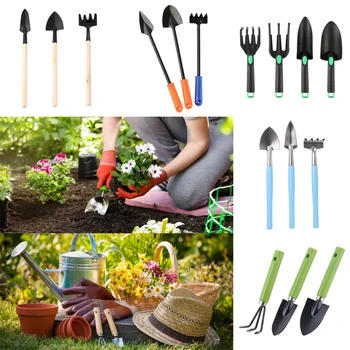
Watering Technique
Water slowly until you see runoff from the drainage holes. Empty the saucer after 2‑3 minutes to prevent root rot. Avoid “top‑watering” in the evening; water in the morning so excess can evaporate.
Seasonal Adjustments
During cooler months, reduce watering frequency by 30‑40% because plant metabolism slows. Track watering dates in a simple spreadsheet to spot patterns and avoid over‑watering.
4. Soil, Potting, and Repotting
Select the Right Mix
Use a well‑draining potting mix: 40% peat or coco coir, 30% perlite, 30% pine bark. For succulents, increase sand or grit to 50% for extra drainage.
Repotting Schedule
Most indoor plants need repotting every 12‑18 months. Look for signs: roots circling the pot, soil that dries too quickly, or a noticeable slowdown in growth. When repotting, gently tease the root ball, trim any dead or mushy roots, and place the plant at the same depth as before.
5. Feeding – Nutrient Management
Choose the Right Fertilizer
Apply a balanced 20‑20‑20 liquid fertilizer at half strength every 4‑6 weeks during the growing season (spring‑early fall). For foliage plants, a higher nitrogen ratio (e.g., 30‑10‑10) promotes leaf growth.
Organic Alternatives
Mix a teaspoon of worm castings into the top inch of soil monthly. This slow‑release source improves soil structure and feeds beneficial microbes.
6. Pest Prevention & Management
Regular Inspection Routine
Inspect leaves weekly, focusing on undersides and leaf joints. Use a magnifying glass to spot tiny spider mites or mealybugs.
DIY Treatments
For minor infestations, spray a solution of 1 tablespoon neem oil, 1 teaspoon mild dish soap, and 1 quart water. Apply every 5‑7 days until pests disappear. Always test on a single leaf first.
Preventive Measures
Keep humidity around 40‑60% for tropical plants using a pebble tray or humidifier. Clean dust off leaves with a soft damp cloth monthly; dust blocks photosynthesis and invites pests.
7. Seasonal Care & Holiday Prep
Winter Dormancy
Reduce watering and stop fertilizing when daylight drops below 10 hours. Move plants away from drafts and heating vents to maintain a stable temperature (65‑75°F).
Spring Revitalization
After the last frost, increase watering, resume feeding, and prune any dead growth. This “reset” encourages new shoots and stronger stems.
8. Extend Your Garden’s Beauty with Fall Flowers that Bloom Generously as Temperatures Cool 🍂🌸
Select Low‑Light Fall Bloomers
Even indoor gardeners can enjoy autumn colors. Choose compact varieties that thrive in indirect light:
- Christmas cactus (Schlumbergera): Blooms in late fall with vibrant pink or red flowers.
- Begonia rex: Offers rich foliage and occasional white or pink blooms.
- Miniature cyclamen: Produces delicate, fragrant flowers in shades of pink, red, or white.
Care Tips for Fall Bloomers
• Light: Provide bright indirect light; a north‑facing window works well.
• Water: Keep soil evenly moist but never soggy; let the top half dry between waterings.
• Temperature: Maintain 60‑70°F; avoid sudden temperature drops.
• Feeding: Use a low‑phosphorus fertilizer (10‑5‑10) once a month to encourage blooming.
Display Ideas
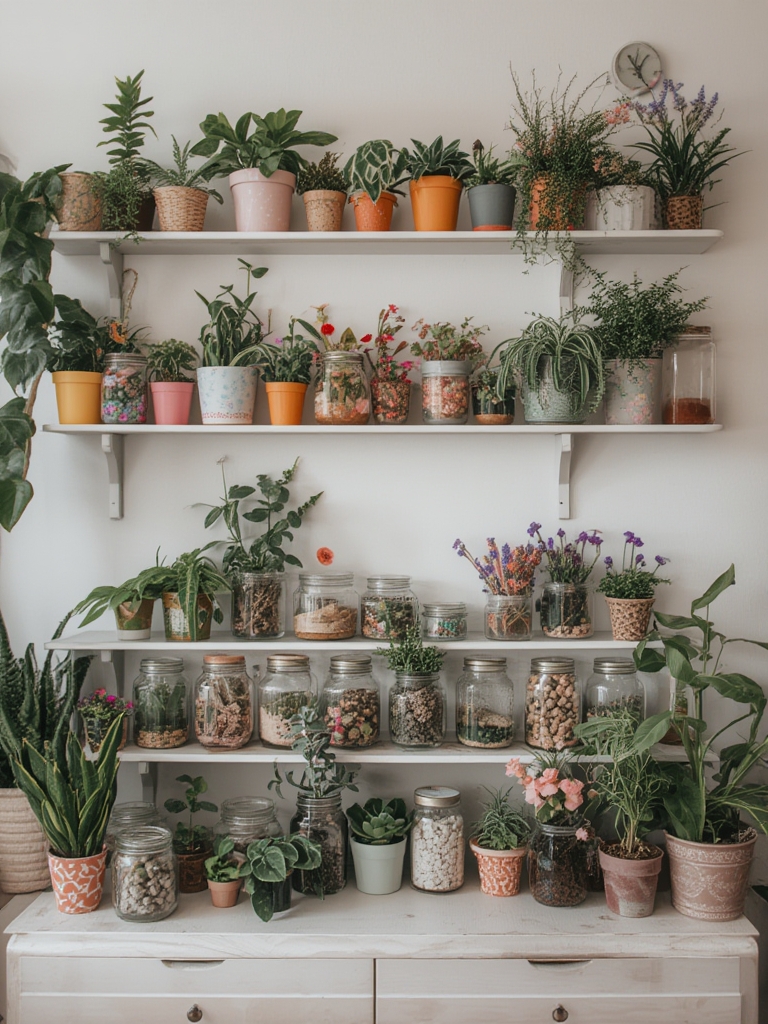
Group fall bloomers with evergreen foliage plants like snake plant or ZZ plant for contrast. Use decorative terracotta pots or woven baskets to enhance the autumn aesthetic, and place a small decorative lantern for a cozy vibe.
9. Quick‑Reference Checklist
- Assess light level → match plant.
- Rotate pot every 2 weeks.
- Water when top 2 inches of soil are dry.
- Use well‑draining mix; repot every 12‑18 months.
- Feed half‑strength balanced fertilizer every 4‑6 weeks (spring‑fall).
- Inspect weekly for pests; treat with neem spray if needed.
- Adjust watering & feeding for seasonal temperature changes.
- Introduce fall bloomers for a seasonal color boost.
By following these data‑backed steps and incorporating the small, actionable habits listed, you’ll create an indoor garden that not only survives but thrives year‑round. Happy planting!