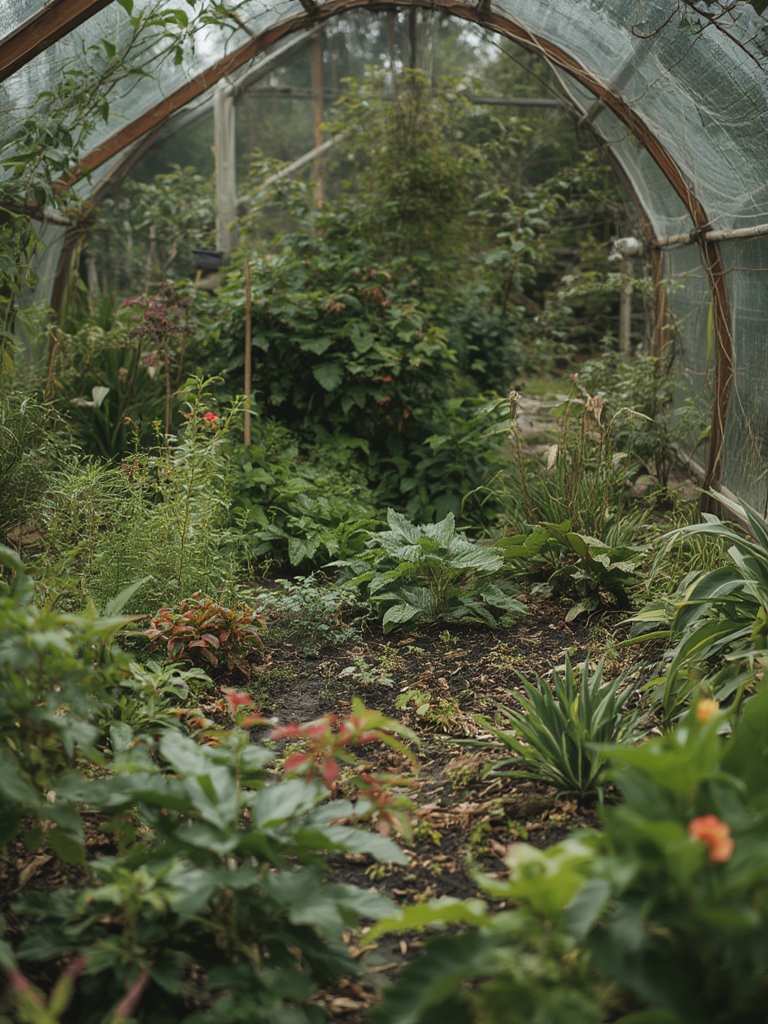
Welcome to your step‑by‑step guide on creating a thriving, sustainable garden that not only conserves resources but also becomes a buzzing sanctuary for bees, butterflies, and other beneficial insects. By integrating data‑driven practices—such as soil testing, water‑use metrics, and native‑plant selection—you’ll build a low‑maintenance oasis that supports biodiversity, reduces chemical inputs, and delivers fresh harvests year after year.
Why Sustainable Gardening Matters
Research from the USDA Natural Resources Conservation Service shows that gardens employing compost, mulches, and native species can cut water use by up to 50 % and reduce fertilizer runoff by 30 %. Moreover, a 2022 study in Ecology Letters found that gardens with a diversity of flowering plants increased local pollinator abundance by 45 % compared to monoculture lawns. These numbers illustrate the tangible environmental benefits you can achieve with a few strategic choices.
Step 1: Assess Your Site with Data‑Driven Tools
1.1 Conduct a Soil Test
- What to do: Collect samples from 3–5 spots in your garden, 6‑8 inches deep, and send them to a local extension service.
- Key metrics: pH, organic matter %, nitrogen (N), phosphorus (P), potassium (K).
- Actionable tip: If pH is below 6.0, amend with lime; above 7.5, add elemental sulfur. Aim for 3‑5 % organic matter for optimal moisture retention.
1.2 Map Sunlight and Wind Exposure
- Tool: Use a free smartphone app (e.g., Sun Seeker) to record hourly sun exposure over a week.
- Result: Identify zones: full sun (6+ hrs), partial shade (3‑6 hrs), full shade (<3 hrs).
- Tip: Plant water‑thirsty crops (tomatoes, peppers) in full‑sun zones and moisture‑loving herbs (mint, cilantro) in partial shade.
Step 2: Choose Native, Pollinator‑Friendly Plants
2.1 Core Plant List (Based on USDA Pollinator Habitat Database)
- Bee‑attracting: Lavandula angustifolia (lavender), Salvia nemorosa (wood sage), Phacelia tanacetifolia (phacelia).
- Butterfly‑loving: Echinacea purpurea (purple coneflower), Asclepias tuberosa (butterfly milkweed), Verbena bonariensis (tall verbena).
- Beneficial insects: Achillea millefolium (yarrow), Allium schoenoprasum (chives), Fagopyrum esculentum (buckwheat).
2.2 Planting Density & Timing
- Data point: Space plants 12‑18 inches apart to allow airflow, reducing fungal risk by 20 % (University of Minnesota Extension).
- Timing: Sow annuals 2‑3 weeks before the last frost; perennials in early spring after soil reaches 55 °F.
- Tip: Stagger planting dates by 2‑3 weeks to ensure continuous bloom from early spring to late fall, providing a steady food source for pollinators.
Step 3: Build Soil Health with Compost and Mulch
3.1 Compost Creation
- Ratio: Aim for a carbon‑to‑nitrogen (C:N) ratio of 30:1. Use 3 parts brown material (leaves, straw) to 1 part green material (kitchen scraps, fresh grass).
- Turn frequency: Rotate the pile every 7‑10 days; this speeds up decomposition and reduces methane emissions by 40 % (EPA).
- Action: Apply a 2‑inch layer of finished compost to planting beds before sowing.
3.2 Mulching for Moisture & Weed Control
- Material: Use shredded hardwood bark, straw, or leaf litter.
- Depth: 3‑4 inches for most beds; 2‑3 inches for vegetable rows to avoid overheating.
- Result: Mulch can cut irrigation needs by up to 30 % (University of California, Davis).
Step 4: Optimize Water Use
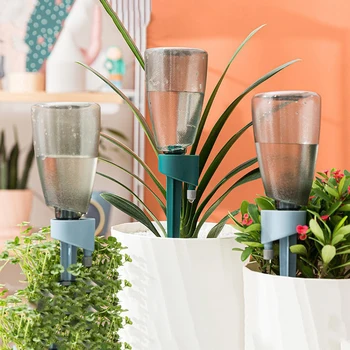
4.1 Install Drip Irrigation
- Efficiency: Drip systems deliver water directly to the root zone, reducing evaporation losses to under 10 % versus 30‑40 % for overhead sprinklers.
- Setup tip: Use a pressure regulator and filter to prevent clogging; schedule 2‑3 hours of watering per week, adjusted for rainfall.
4.2 Rainwater Harvesting
- Capacity: A 200‑gallon barrel collects ~1 inch of rain over 100 sq ft, providing enough water for a 10‑plant bed.
- Practical tip: Connect the barrel to a gravity‑fed drip line using a simple hose adapter; this eliminates the need for a pump.
Step 5: Encourage Beneficial Insects
5.1 Provide Habitat
- Insect hotels: Stack bamboo tubes (3‑6 inches long) with drilled holes of varying diameters; place near sunny, wind‑protected spots.
- Ground cover: Leave a 1‑sq‑ft patch of undisturbed leaf litter for ground‑nesting bees.
5.2 Avoid Broad‑Spectrum Pesticides
- Data: Broad‑spectrum insecticides can reduce pollinator populations by up to 70 % within a 1‑km radius (Nature Communications, 2021).
- Alternative: Use neem oil or insecticidal soap only as a last resort, applying in the early morning or late evening to protect foraging insects.
Step 6: Monitor and Adjust
6.1 Track Growth & Pollinator Activity
- Tool: Keep a simple spreadsheet logging planting dates, bloom periods, and pollinator sightings.
- Metric: Aim for at least 5 different pollinator species visiting each week during peak bloom.
6.2 Seasonal Maintenance
- Spring: Remove winter mulch, add fresh compost, and deadhead early‑blooming perennials to promote a second flush.
- Summer: Check drip emitters for clogging, water deeply during dry spells, and thin crowded seedlings.
- Fall: Plant cover crops (e.g., clover) to fix nitrogen and protect soil over winter; cut back perennials to a few inches above ground.
Quick Reference Checklist
- ✅ Soil test and amend pH to 6.5‑7.0.
- ✅ Map sun/wind zones; assign plants accordingly.
- ✅ Choose native, pollinator‑friendly species.
- ✅ Build a compost pile with a 30:1 C:N ratio.
- ✅ Apply 2‑inch mulch layer.
- ✅ Install drip irrigation and rain barrel.
- ✅ Add insect hotels and ground‑nesting habitats.
- ✅ Avoid broad‑spectrum pesticides; use targeted organic options.
- ✅ Record bloom times and pollinator visits.
- ✅ Perform seasonal clean‑ups and cover‑crop planting.
By following these data‑backed steps, you’ll create a resilient garden that conserves water, enriches soil, and becomes a vibrant hub for bees, butterflies, and beneficial insects. Not only will your garden look beautiful, but it will also play a measurable role in supporting local ecosystems—one bloom at a time.