
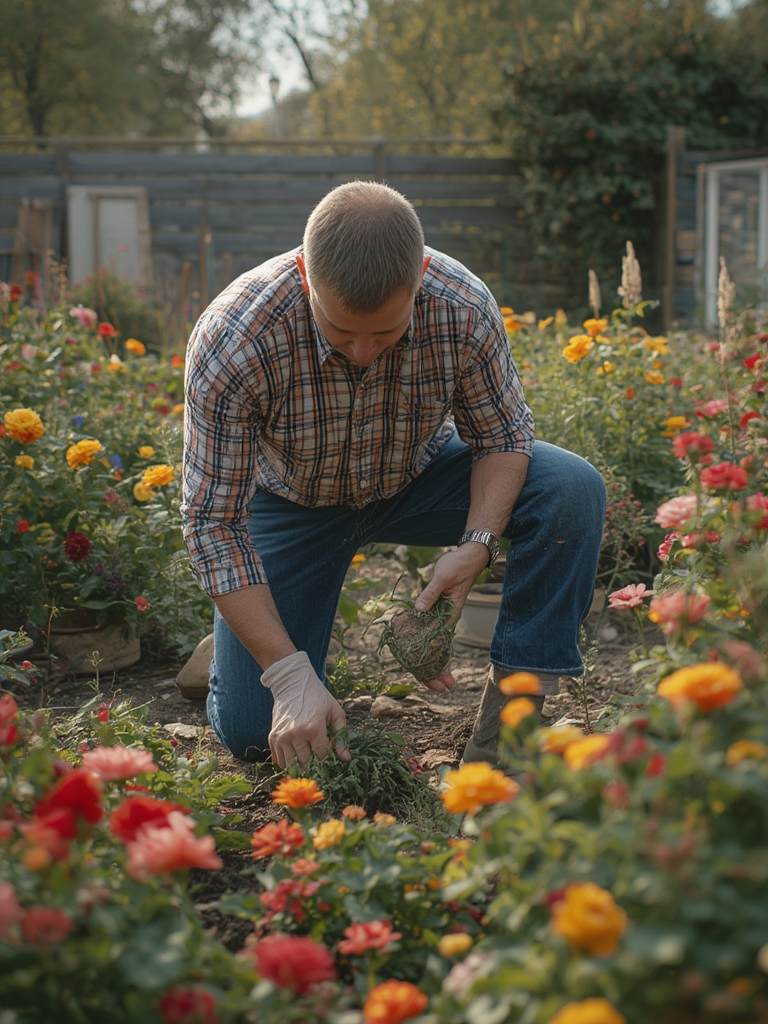
Flower gardening can transform any outdoor space into a vibrant, living canvas that changes with the seasons. By combining data‑driven decisions with simple, repeatable practices, you can grow healthy blooms year‑round while keeping maintenance low. Below is a step‑by‑step guide that walks you through every stage—from site selection to seasonal clean‑up—so you can enjoy a stunning garden without guesswork.
1. Choose the Right Site and Light Conditions
Successful flower gardens start with the right location. Use a sunlight meter or a smartphone app to measure the daily light exposure of potential sites. Most flowering plants thrive on 6–8 hours of direct sunlight per day, but shade‑loving varieties like impatiens or begonias need only 3–4 hours of filtered light.
Actionable Tips
- Mark the garden area with stakes and record the morning and afternoon sun hours for a full week.
- If the site receives more than 8 hours of intense sun, consider adding a light‑colored mulch to reflect heat and keep soil temperatures between 65‑75°F (18‑24°C).
2. Test and Amend Your Soil
Soil quality is the foundation of plant health. Conduct a simple DIY soil test (available at most garden centers) or send a sample to a local extension service. Aim for a pH between 6.0 and 6.8 for most annuals and perennials. Adjustments are easy:
Step‑by‑Step Soil Amendment
- pH Too Low (acidic): Spread 1–2 lb of garden lime per 100 sq ft and work it into the top 6 inches of soil.
- pH Too High (alkaline): Incorporate 1 lb of elemental sulfur per 100 sq ft.
- Improve Texture: Add 2–3 inches of compost or well‑rotted manure to increase organic matter, which boosts water retention and nutrient availability.
After amending, water the area thoroughly and let it settle for 48 hours before planting.
3. Select Flower Varieties Based on Climate and Bloom Time
Use USDA hardiness zone data (e.g., Zone 7a–9b for most of the U.S. South) to choose plants that will thrive in your region. Combine three bloom cycles—early season, mid‑season, and late season—to ensure continuous color.
Data‑Driven Picks
- Early Season (March–May): Pansies, snapdragons, and sweet peas. These tolerate cooler temps and can be started indoors 6–8 weeks before the last frost.
- Mid‑Season (June–August): Marigolds, petunias, and zinnias. They love full sun and heat, producing abundant blooms in 60–70 days.
- Late Season (September–November): Chrysanthemums, asters, and ornamental kale. These tolerate cooler nights and add texture as foliage.
4. Planting Techniques for Optimal Growth
Proper spacing and depth prevent competition and disease. Follow the spacing guidelines on seed packets, but a good rule of thumb is 12–18 inches between annuals and 18–24 inches for perennials.
Step‑by‑Step Planting
- Dig a hole twice as wide and the same depth as the root ball.
- Place the plant at the same depth it was in the pot; for seedlings, keep the crown just above soil level.
- Backfill with a mix of native soil and 25 % compost, firming gently to eliminate air pockets.
- Water thoroughly (aim for 10–12 minutes of steady flow) to settle the soil around the roots.
5. Water Management: Consistency Over Quantity
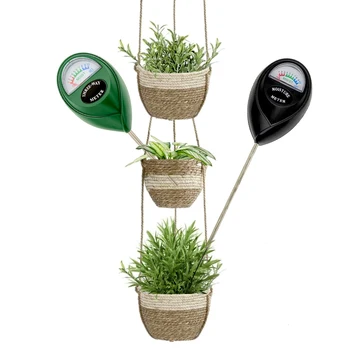
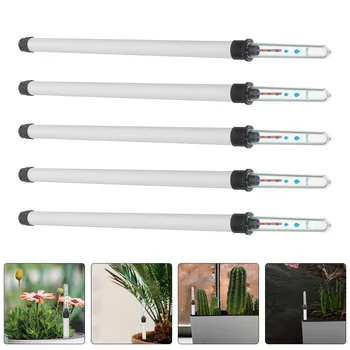
Inconsistent watering is the #1 cause of flower failure. Use a moisture meter or the “finger test” (check 2 inches deep) to keep soil evenly moist.

Practical Watering Schedule
- Newly Planted: 1 gal of water per plant daily for the first week.
- Established Plants: 1 in of water per week (adjust for rainfall). Early morning is ideal to reduce evaporation.
- Mulch: Apply a 2‑inch layer of shredded bark or straw to retain moisture and suppress weeds.
6. Feeding and Fertilization
Balanced nutrition fuels continuous blooming. A data‑backed approach uses soil test results to select the right N‑P‑K ratio.
Fertilizer Recommendations
- High‑Nitrogen (10‑5‑5): Use for leafy annuals like petunias during the first 4 weeks.
- Bloom‑Boost (5‑10‑10): Switch after the initial growth phase to encourage flower production.
- Slow‑Release Granules: Apply 2 lb per 100 sq ft every 8 weeks for perennials.
Always water after fertilizing to prevent root burn.
7. Integrated Pest Management (IPM)
Rely on data from local extension services to identify common pests for your region. IPM focuses on prevention, monitoring, and targeted control.
Step‑by‑Step IPM
- Inspect Weekly: Look for aphids, spider mites, and slugs. Use a handheld magnifier for early detection.
- Physical Barriers: Place copper tape around beds to deter slugs; use row covers for flea beetles.
- Biological Controls: Release ladybugs or neem oil sprays (2 tbsp per gallon) when aphid populations exceed 5 % of foliage.
- Targeted Chemical Use: If needed, apply a horticultural oil or pyrethrin only to affected plants, following label rates.
8. Deadheading and Pruning for Continuous Blooms
Removing spent flowers redirects energy to new growth. Data shows that weekly deadheading can increase total bloom count by up to 30 %.
How to Deadhead Effectively
- Use clean, sharp scissors to cut just above the first set of healthy leaves.
- For woody perennials, prune back to a node after the first flush to encourage a second wave of flowers.
- Dispose of trimmed material away from the garden to prevent disease spread.
9. Seasonal Maintenance and Overwintering
Each season presents specific tasks that keep the garden resilient.
Spring
- Apply a balanced fertilizer (5‑10‑5) as new growth emerges.
- Divide overcrowded perennials (e.g., coneflowers) every 3–4 years to rejuvenate vigor.
Summer
- Increase watering during heat spikes (temperatures > 90°F/32°C).
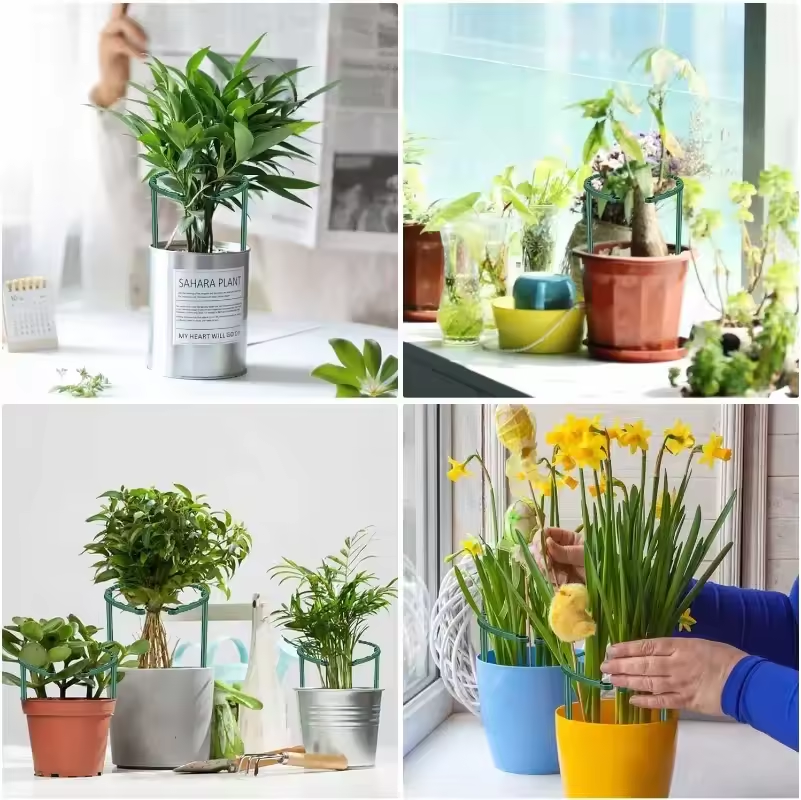
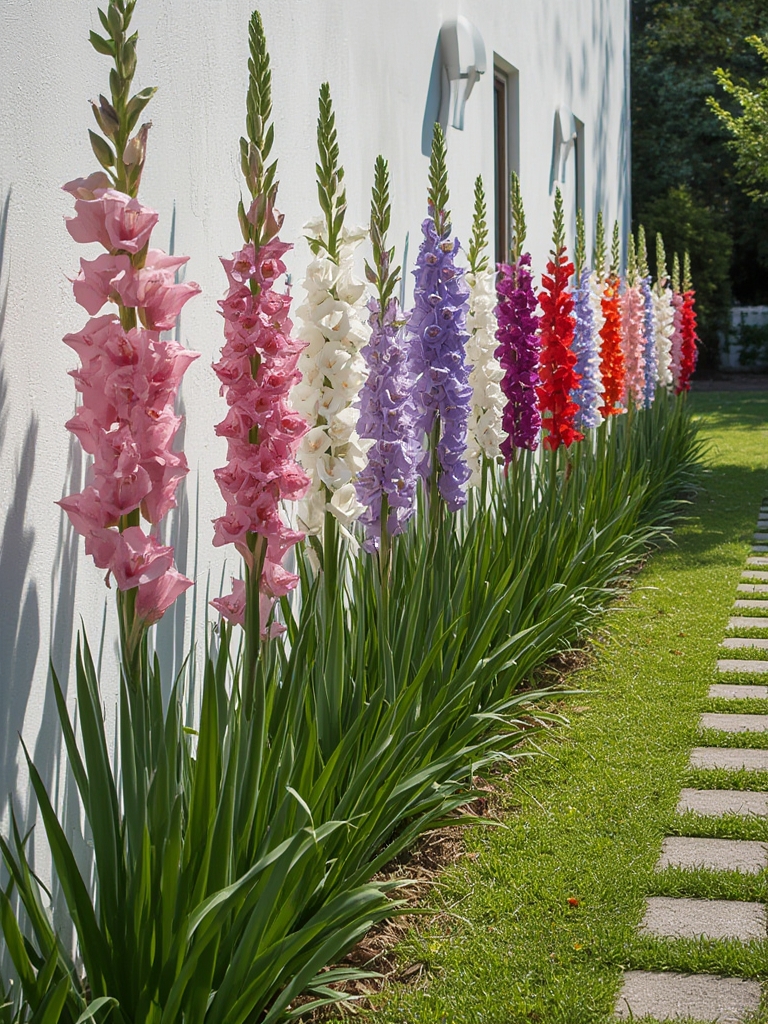
- Stake tall varieties (e.g., delphiniums) to prevent wind damage.
Fall
- Plant cool‑season annuals (pansies, ornamental kale) for color after the first frost.
- Apply a 1‑inch layer of leaf mulch to insulate roots.
Winter
- Cover tender perennials with burlap or frost cloth.
- Stop fertilizing after the first hard freeze to avoid stimulating new growth that can be damaged.
10. Track Your Progress with Simple Data Logs
Maintaining a garden journal (digital or paper) helps you refine techniques year after year. Record the following:
- Date of planting and variety.
- Soil pH and amendment amounts.
- Watering frequency and volume.
- Fertilizer type, rate, and timing.
- Observed pests, diseases, and control measures.
- Bloom start and end dates.
Analyzing this data reveals patterns—such as which varieties perform best in specific micro‑climates—allowing you to make evidence‑based adjustments for future seasons.
By following these data‑driven steps and integrating practical, actionable tips, you’ll cultivate a flower garden that not only looks spectacular but also thrives with minimal trial‑and‑error. Happy planting, and enjoy the endless colors that your dedicated care will bring!
