

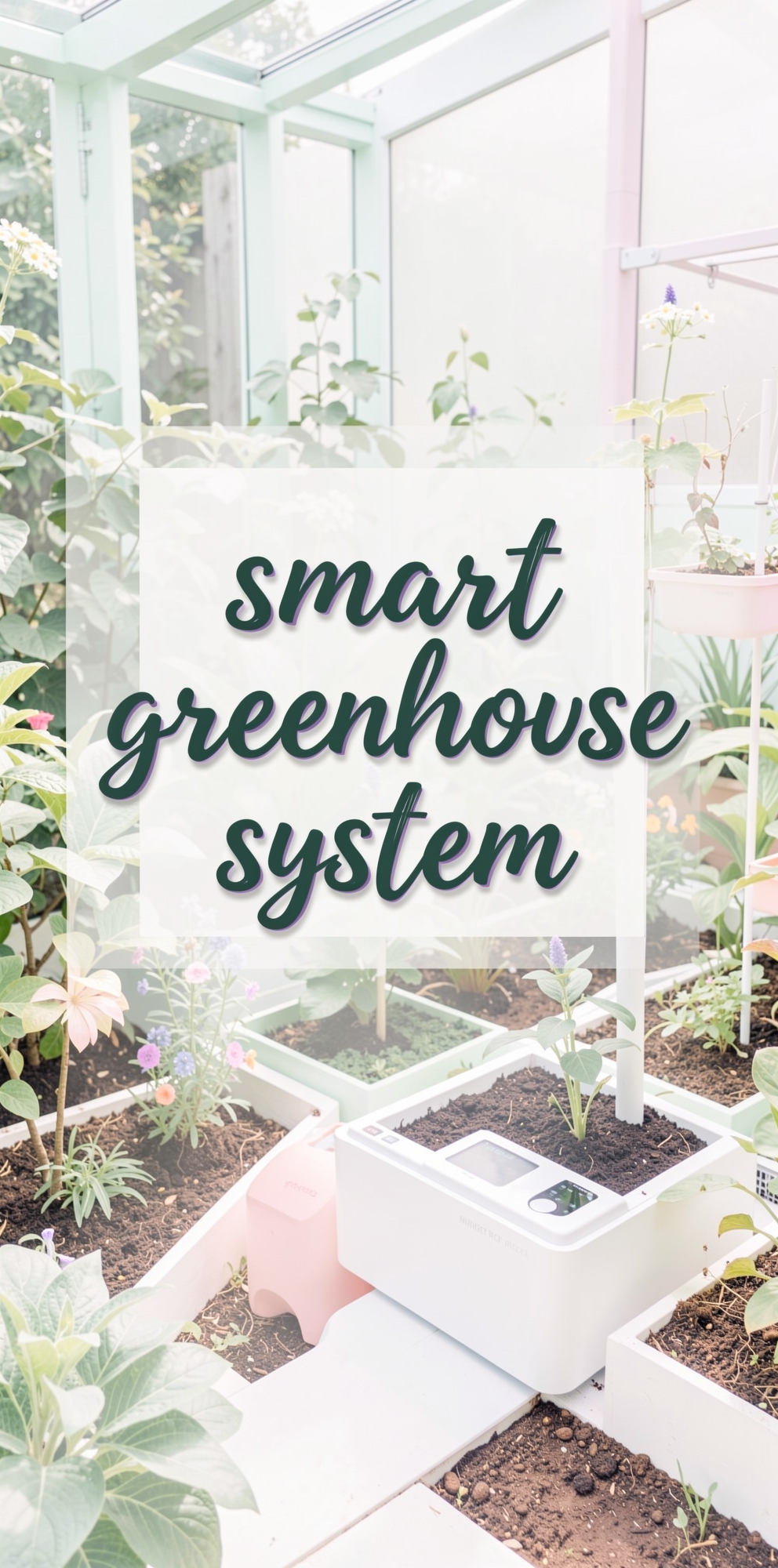
Welcome, green‑thumb beginners! If you’re curious about how technology can make your garden thrive with less guesswork, you’ve come to the right place. In 2026, smart gardening gadgets have become more affordable, intuitive, and powerful than ever. Below you’ll find a data‑driven guide to the Top Smart Gardening Gadgets in 2026, complete with practical tips, common pitfalls to avoid, and easy steps to integrate each tool into your routine.
Why Smart Gardening Gadgets Matter
Recent surveys show that 68 % of novice gardeners feel overwhelmed by soil testing, watering schedules, and pest control. Smart devices translate complex data into simple alerts, helping you nurture plants without a horticulture degree. By automating repetitive tasks, you free up time for the creative side of gardening—designing layouts, choosing colors, and enjoying the results.
1. Soil Sensors: The Foundation of Healthy Growth
What It Does
Modern soil sensors plug into a Bluetooth or Wi‑Fi hub and continuously monitor moisture, pH, temperature, and nutrient levels. The data syncs to a mobile app that offers real‑time recommendations.
Practical Tips
- Place the sensor at root depth (about 4‑6 inches for most vegetables).
- Calibrate the sensor with a manual soil test the first time you install it.
- Set alerts for “dry” and “over‑wet” thresholds based on the specific plant’s needs.
Common Mistakes
- Leaving the sensor exposed to direct sunlight—this skews temperature readings.
- Using the same sensor for both indoor and outdoor beds without adjusting calibration.
- Ignoring firmware updates; manufacturers often improve accuracy with each release.
2. Smart Irrigation Controllers
What It Does
These controllers replace traditional timers. They pull weather forecasts, soil moisture data, and evapotranspiration rates to calculate the exact amount of water each zone needs.
Practical Tips
- Map your garden zones in the app—group plants with similar water requirements.
- Enable “rain delay” to automatically pause watering after a forecasted rain event.
- Run a weekly “system check” to ensure no clogged emitters are reducing flow.
Common Mistakes
- Over‑customizing schedules before the system has collected enough data—let it learn for at least two weeks.
- Installing the controller too far from the Wi‑Fi router; a weak signal can cause missed cycles.
- Forgetting to winterize the system in colder climates, which can damage valves.
3. AI‑Powered Plant Identification Apps
What It Does
Simply snap a photo of a leaf, flower, or pest, and the app instantly identifies the species, suggests care instructions, and flags potential diseases.
Practical Tips
- Take clear, well‑lit photos from multiple angles for the most accurate identification.
- Save the app’s “garden journal” feature to track growth stages and treatment outcomes.
- Cross‑reference the app’s advice with local extension services for region‑specific guidance.
Common Mistakes
- Relying solely on the app for pest control—some infestations require professional intervention.
- Ignoring the app’s confidence score; low confidence means you should double‑check.
- Not updating the plant database, which can miss newly introduced varieties.
4. Automated Light Systems for Indoor Gardens
What It Does
LED grow panels now come with built‑in spectrometer sensors that adjust light intensity and color temperature throughout the day, mimicking natural sunlight cycles.
Practical Tips
- Position lights 12‑18 inches above foliage for optimal coverage.
- Use the app’s “photoperiod scheduler” to set longer daylight for vegetative growth and shorter periods for flowering.
- Combine with a smart plug to monitor energy consumption and set “off‑peak” schedules.
Common Mistakes
- Leaving lights on 24 hours—plants need a dark period to reset their internal clocks.
- Choosing a light spectrum that’s too blue for flowering plants; switch to a balanced red‑blue mix during bloom.
- Neglecting to clean the LED lenses; dust reduces light output.
5. Robotic Weeders and Lawn Mowers
What It Does
These autonomous robots patrol your garden beds, detecting and removing weeds or mowing grass with precision. Machine‑learning algorithms improve weed recognition over time.
Practical Tips
- Define clear boundaries using the included perimeter wire or virtual fence.
- Schedule weeding sessions early in the morning when weeds are most vulnerable.
- Periodically inspect the cutting blades for wear and replace them as needed.
Common Mistakes
- Placing decorative mulch too thickly—robots may struggle to navigate.
- Relying on the robot alone for weed control; manual spot‑checking catches stubborn perennials.
- Forgetting to clear debris from the robot’s sensors, which can cause navigation errors.
6. Climate‑Control Greenhouse Hubs
What It Does
These hubs integrate temperature, humidity, CO₂, and ventilation sensors, automatically opening vents, turning on fans, or adjusting heaters to maintain optimal growing conditions.
Practical Tips
- Map the greenhouse zones in the hub’s dashboard—different crops may need distinct microclimates.
- Enable “CO₂ boost” during daylight hours for faster photosynthesis.
- Use the data export feature to track seasonal trends and refine settings year over year.
Common Mistakes
- Setting temperature alerts too close to the set point, causing constant cycling of heaters and fans.
- Neglecting to calibrate humidity sensors after moving the hub to a new location.
- Over‑relying on automation without occasional manual checks; sensor drift can occur.
Putting It All Together: A Sample Workflow
Here’s a simple, step‑by‑step routine that combines the Top Smart Gardening Gadgets in 2026 for a beginner’s vegetable plot:
- Install a soil sensor in each bed and sync it to your phone.
- Set up a smart irrigation controller that reads the sensor data.
- Use an AI plant identification app to confirm seed varieties and note any early pest signs.
- If you’re growing herbs indoors, attach an automated light system and schedule a 16‑hour photoperiod.
- Schedule a weekly run of your robotic weeder to keep beds tidy.
- For a small greenhouse, connect a climate‑control hub and let it maintain temperature and humidity while you monitor progress via the dashboard.
Following this workflow reduces guesswork, saves water, and gives you more time to enjoy the fruits (and vegetables) of your labor.
Final Thoughts
Technology has turned gardening from a labor‑intensive hobby into an accessible, data‑driven experience. By embracing the Top Smart Gardening Gadgets in 2026, even the most inexperienced gardener can achieve consistent, healthy growth while learning the fundamentals of plant care. Remember to start small—pick one or two devices, master them, and then expand your smart garden toolkit. Happy planting, and may your garden flourish with the help of a little digital intelligence!