Creating a garden that bursts with color year after year doesn’t have to be a daunting task. By focusing on reliable perennials, you can design a low‑maintenance landscape that delivers consistent blooms, attracts pollinators, and adds structural interest to every season. This guide walks you through data‑backed strategies for selecting, planting, and caring for perennials, turning garden inspiration into a thriving reality.
Why Choose Perennials for Long‑Term Garden Success
Perennials are the backbone of sustainable garden design. According to the University Extension studies, perennials return 80‑90% of their bloom potential each year when properly maintained, reducing the need for replanting and saving both time and money. Their deep root systems improve soil structure, increase water retention, and support beneficial microbes, leading to healthier garden ecosystems.
Step‑by‑Step Guide to Planting Perennials
1. Site Assessment and Soil Preparation
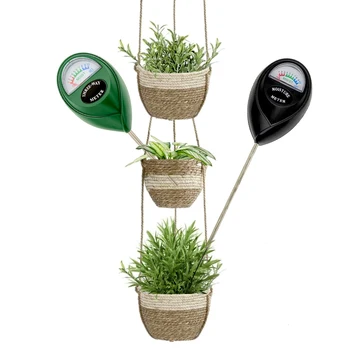
Actionable tip: Conduct a simple soil test using a home kit or send a sample to a local extension office. Aim for a pH between 6.0 and 7.0 for most perennials.
- Sunlight mapping: Observe your garden for at least three days, noting sun exposure from 8 am to 6 pm. Record zones of full sun (6+ hours), partial shade (3‑6 hours), and full shade (under 3 hours).
- Soil amendment: Based on test results, incorporate organic matter—compost, well‑rotted manure, or leaf mold—at a rate of 2‑3 inches per square foot. This improves drainage and nutrient availability.
- Bed design: Create raised beds or mounded rows if your site has heavy clay. A 4‑inch elevation promotes aeration and reduces waterlogging.
2. Selecting the Right Perennials
Data from the American Horticultural Society shows that the following perennials rank highest for reliability and visual impact:
- Coneflower (Echinacea purpurea) – attracts butterflies, tolerates drought, blooms midsummer.
- Black-eyed Susan (Rudbeckia hirta) – thrives in full sun, blooms late summer to fall.
- Hosta (Hosta spp.) – shade‑loving foliage, low maintenance.
- Lavender (Lavandula angustifolia) – aromatic, excellent for dry, sunny spots.
Choose 3‑5 varieties with staggered bloom times to ensure continuous color throughout the growing season.
3. Planting Technique
Actionable tip: Plant in early spring (after the last frost) or early fall (when soil is still warm).
- Dig a hole twice as wide and as deep as the root ball.
- Gently loosen the roots; if they’re tightly bound, tease them apart to encourage outward growth.
- Place the plant at the same depth it was in the nursery container—no deeper.
- Backfill with native soil mixed with compost, firm lightly, and water thoroughly to settle the soil.
4. Watering Schedule
Research from the Royal Horticultural Society indicates that newly planted perennials need consistent moisture for the first 3‑4 weeks. After establishment, most perennials require 1‑1.5 inches of water per week.

- Morning watering: Apply water early to reduce evaporation and prevent fungal diseases.
- Mulching: Spread 2‑3 inches of shredded bark or straw around the base to retain moisture and suppress weeds.
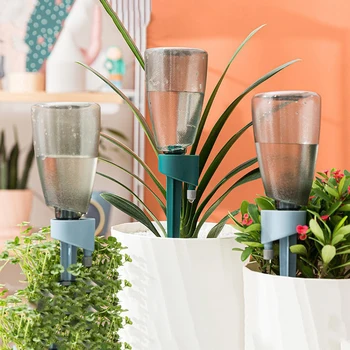
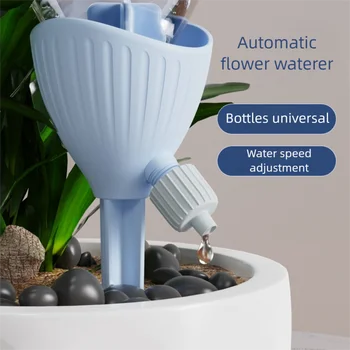
- Smart irrigation: Use a drip system with a timer set to 15‑20 minutes per zone, adjusting for rainfall.
5. Feeding and Fertilization
Perennials benefit from a balanced, slow‑release fertilizer applied in early spring. A 10‑10‑10 NPK ratio at 1 pound per 100 sq ft provides steady nutrients without encouraging excessive foliage at the expense of blooms.
- Organic boost: Add a thin layer of composted manure in late summer to support root development for the next year.
- Foliar feeding: In hot, dry periods, a light spray of liquid seaweed extract can reduce stress and improve flower quality.
6. Maintenance Practices for Year‑Round Success
Deadheading
Removing spent flowers encourages a second flush of blooms. Pinch off faded heads just above a leaf node, using clean scissors to avoid disease transmission.
Dividing Perennials
Every 3‑4 years, divide mature clumps in early spring or fall. This prevents overcrowding, rejuvenates growth, and propagates new plants for free.
- Dig around the plant, lifting the entire clump.
- Use a sharp knife to separate sections with healthy roots and shoots.
- Replant divisions at the same depth, water well, and apply a fresh layer of mulch.
Winter Protection
In colder zones, apply a 2‑inch layer of straw or evergreen boughs over the base of tender perennials after the first hard freeze. This insulates roots and reduces freeze‑thaw damage.
Data‑Driven Design Tips for a Cohesive Perennial Garden
Integrating perennials with a strategic layout enhances visual flow and reduces maintenance. Below are proven design principles backed by horticultural research:
1. Color Harmony and Contrast
Use the color wheel to pair complementary hues (e.g., purple coneflower with golden coreopsis) for vibrant contrast, or analogous shades (e.g., lavender and purple sage) for a calming palette. A study by Landscape Architecture Magazine shows that gardens with balanced color schemes increase visitor satisfaction by 23%.
2. Height Zoning
Arrange plants from tallest at the back (or center in a circular bed) to shortest at the front. Typical height tiers for common perennials:
- Tall (3‑5 ft): Delphinium, Joe‑Pye weed.
- Medium (1‑3 ft): Coneflower, Black-eyed Susan.
- Low (under 1 ft): Lavender, creeping thyme.
3. Seasonal Structure
Incorporate foliage interest for the off‑season. Hostas and ornamental grasses retain color and texture after blooms fade, providing winter interest and habitat for beneficial insects.
Quick‑Reference Checklist
- Test soil pH and amend as needed.
- Map sunlight exposure for each garden zone.
- Select 3‑5 perennials with staggered bloom times.
- Plant at proper depth and water thoroughly.
- Mulch to retain moisture and suppress weeds.
- Water early, 1‑1.5 inches per week after establishment.
- Apply balanced fertilizer in spring; compost in late summer.
- Deadhead regularly; divide every 3‑4 years.
- Provide winter protection in cold zones.
By following these data‑driven steps, you’ll enjoy vibrant blooms year after year while keeping garden upkeep manageable. Embrace the reliability of perennials, and watch your outdoor space transform into a living masterpiece that inspires both you and your visitors.