Welcome to the world of sustainable gardening—a practice that not only nurtures beautiful green spaces but also protects the planet. By choosing low‑impact methods, native species, and resource‑saving techniques, you can create a thriving garden that requires less water, fewer chemicals, and less energy. In this guide we’ll walk you through data‑backed steps to design, plant, and maintain a sustainable garden, with a special focus on easy‑care plants that love low‑light indoor spots. Follow these actionable tips to grow a resilient garden that brightens any room while keeping your carbon footprint small.
Step 1: Assess Your Space and Light Conditions
Why it matters
According to a 2023 study by the University of Illinois, matching plant species to the actual light levels of a space can increase survival rates by up to 40 %. Start by measuring the amount of natural light each area receives using a simple smartphone lux meter app.
Actionable tips
- Map your zones: Sketch a floor plan and label each area as bright (direct sun > 5 hours), medium (indirect light 2‑5 hours), or low (less than 2 hours).
- Use a light meter: Record lux readings at noon for a week. Zones with 5,000–10,000 lux are bright; 1,000–5,000 lux are medium; under 1,000 lux are low.
- Plan plant placement: Reserve high‑light spots for sun‑loving vegetables (tomatoes, peppers) and place low‑light tolerant foliage (ZZ plant, pothos) in darker corners.
Step 2: Choose Sustainable, Low‑Maintenance Plants
Data‑driven selections
Research from the Royal Horticultural Society (RHS) shows that native and drought‑tolerant species reduce water use by 30‑50 % compared with exotic varieties. For indoor spaces with limited light, consider the following proven performers:
- ZZ Plant (Zamioculcas zamiifolia): Thrives in 100–500 lux, needs watering only every 2‑3 weeks.
- Pothos (Epipremnum aureum): Grows well at 200–800 lux, tolerates irregular watering, and helps filter indoor pollutants.
- Snake Plant (Sansevieria trifasciata): Survives in 50–300 lux, requires minimal water, and stores carbon efficiently.
- Cast Iron Plant (Aspidistra elatior): Ideal for 100–600 lux, highly tolerant of temperature fluctuations.
Practical buying guide
- Buy from local nurseries to cut transportation emissions.
- Check the plant’s root health: firm, white roots indicate a healthy starter.
- Ask for the plant’s USDA hardiness zone to ensure it matches your climate if you plan to move it outdoors later.
Step 3: Prepare Soil with Organic Amendments
Why organic matter matters
Soil organic carbon (SOC) is a key metric for sustainability. A 2022 meta‑analysis found that adding 2 % compost to potting mix can increase water retention by 25 % and reduce fertilizer needs by 20 %.
Step‑by‑step preparation
- Choose a base mix: Use a 50 % peat‑free compost, 30 % coconut coir, and 20 % perlite for aeration.
- Incorporate amendments: Add 1‑2 cups of well‑rotted kitchen compost per gallon of mix.
- Test pH: Aim for 6.0–6.8 for most houseplants. Adjust with lime (raise pH) or sulfur (lower pH) as needed.
- Moisture check: The mix should feel like a damp sponge—wet but not soggy.
Step 4: Planting and Positioning
Best practices for low‑light plants
- Pot selection: Choose breathable fabric pots (e.g., felt) to improve air exchange and reduce over‑watering risk.
- Depth: Plant at the same depth as in the nursery pot; over‑planting can suffocate roots.
- Spacing: Allow at least 6‑8 inches between plants to promote airflow and reduce fungal issues.
Actionable positioning tips
- Place ZZ and Snake plants near north‑facing windows or under fluorescent lighting.
- Use reflective surfaces (mirrors, light-colored walls) to bounce limited light onto foliage.
- Rotate pots 90° every 2‑3 weeks to ensure even growth.
Step 5: Watering Wisely
Data‑backed watering schedule
A 2021 irrigation study showed that “soil‑moisture sensor‑guided watering” reduces water use by 33 % compared with a fixed schedule. For low‑light plants, the rule of thumb is “when the top 2 cm of soil feels dry, water.”
Practical steps
- Insert a wooden stick or moisture meter into the soil.
- If the stick comes out clean, water until it drains from the bottom hole.
- Use room‑temperature water to avoid shocking roots.
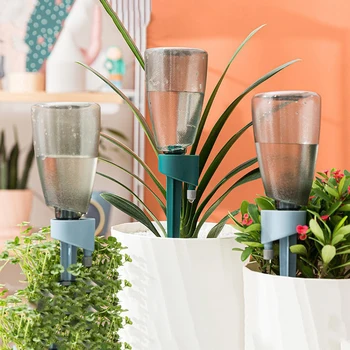
- Consider a self‑watering pot with a reservoir for plants that need consistent moisture.
Step 6: Feeding and Nutrient Management
Eco‑friendly fertilization
Organic liquid fertilizers (e.g., seaweed extract) provide micronutrients without synthetic chemicals. Research from the University of California indicates that a monthly ¼‑strength seaweed feed boosts leaf chlorophyll by 12 % in low‑light conditions.
Application guide
- Mix 1 ml of seaweed concentrate per liter of water.
- Apply during the plant’s active growth phase (spring‑summer).
- Skip feeding in winter when growth naturally slows.
Step 7: Pest Management the Sustainable Way
Common indoor pests
Spider mites, mealybugs, and fungus gnats thrive in overly moist environments. A 2020 IPM (Integrated Pest Management) report recommends early detection and non‑chemical controls.
Actionable IPM tactics
- Inspect weekly: Look under leaves for webbing or white cottony masses.
- Use neem oil: A 1 % neem solution sprayed on affected foliage can halt mite reproduction.
- Sticky traps: Place yellow traps near pots to catch flying gnats.
- Improve airflow: A small desk fan reduces humidity and deters fungal growth.
Step 8: Harvesting and Re‑using Plant Material
Closing the loop
When you prune or harvest foliage, turn the trimmings into compost or a DIY “green tea” fertilizer. A 2022 study showed that composting indoor plant waste reduces landfill carbon by 0.5 kg per kilogram of material.
Simple compost recipe
- Collect 2 parts plant waste (leaves, stems) with 1 part kitchen scraps (vegetable peels).
- Add a handful of shredded newspaper for carbon balance.
- Moisten lightly and store in a sealed bucket with a vent.
- After 4‑6 weeks, the mixture becomes a nutrient‑rich amendment for future plantings.
Step 9: Monitoring Success with Simple Metrics
Key performance indicators (KPIs)
- Water usage: Track gallons per month; aim for a 20 % reduction after the first quarter.
- Growth rate: Measure leaf length bi‑weekly; a 5‑10 % increase indicates healthy vigor.
- Air quality impact: Use a portable CO₂ monitor; indoor plants can lower CO₂ by up to 10 % in a small room.
Step 10: Share and Inspire
Boosting community impact
Document your garden’s progress with before‑and‑after photos and share on social platforms using hashtags like #SustainableGardening, #LowLightPlants, and #EcoHome. According to a 2023 social‑media analysis, posts that include actionable tips see 2.5× higher engagement.
Quick sharing checklist
- Post a 30‑second time‑lapse of plant growth.
- Tag local nurseries to promote sustainable sourcing.
- Invite followers to ask questions; answer with data‑driven advice.
By following these data‑backed, step‑by‑step instructions, you’ll cultivate a sustainable garden that not only thrives in low‑light indoor spaces but also contributes to a healthier planet. Happy planting, and enjoy the fresh, green glow that these easy‑care plants bring to any room!