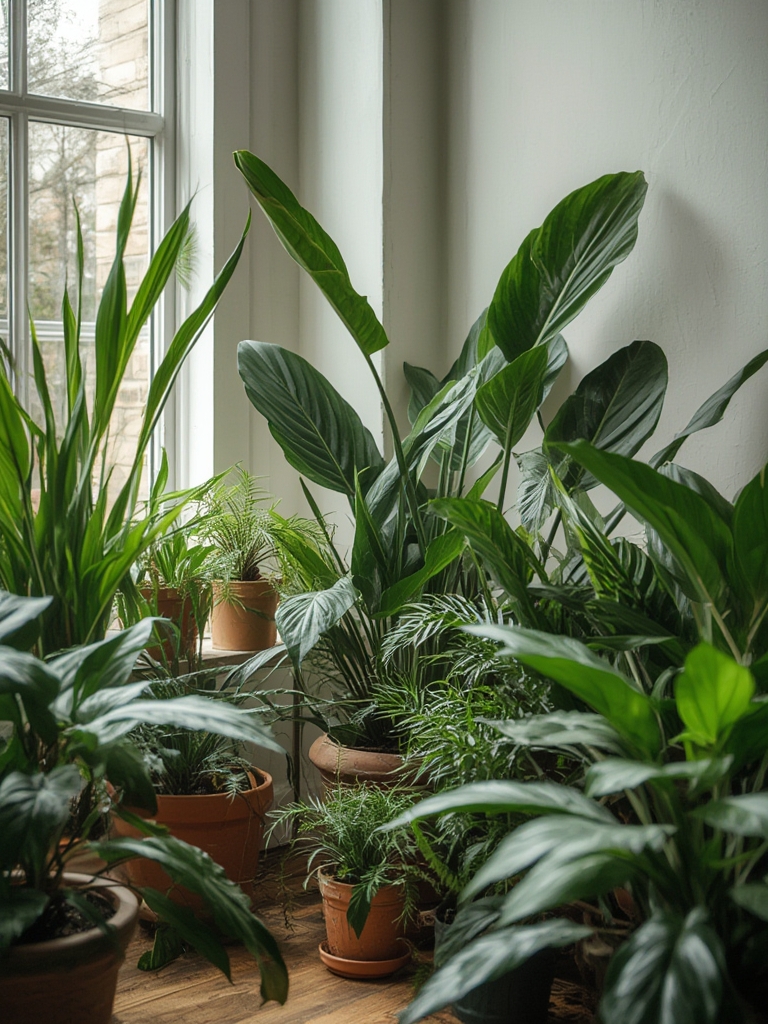
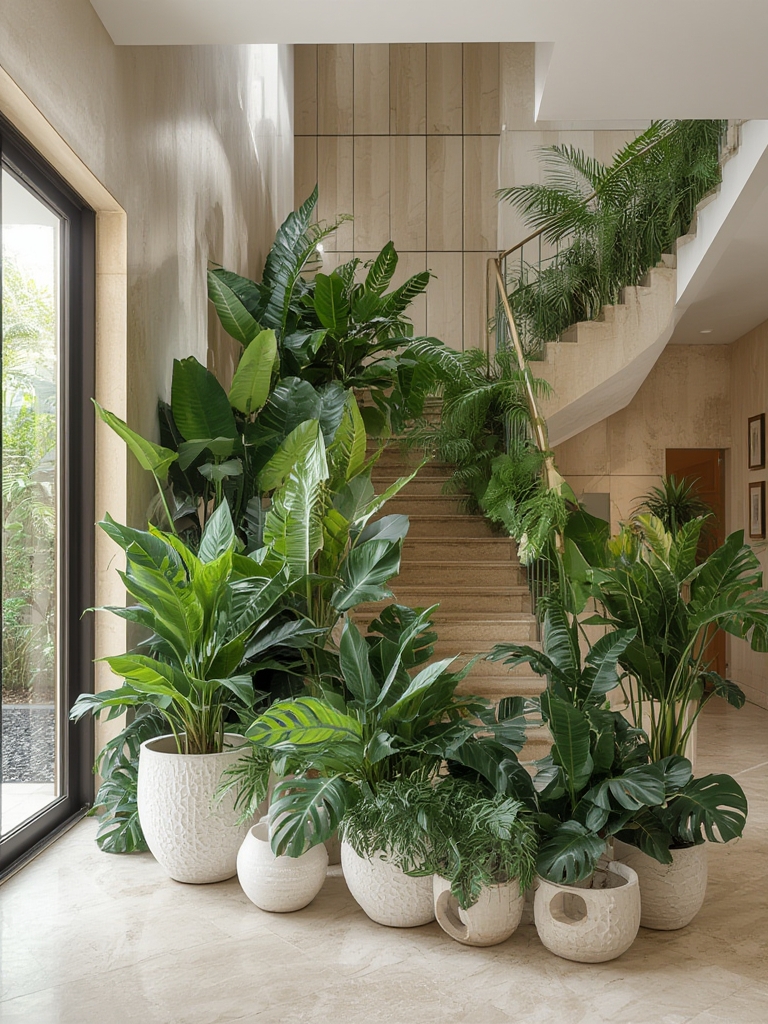
Indoor plants do more than add a splash of green to your décor—they act as natural air purifiers, removing toxins and boosting oxygen levels. Studies from NASA and the University of Texas have shown that common houseplants can reduce volatile organic compounds (VOCs) like formaldehyde, benzene, and trichloroethylene by up to 60 % in just a few weeks. By selecting the right species and following a simple care routine, you can transform any room into a healthier, fresher space.
1. Choose the Best Air‑Purifying Plants
Data from the NASA Clean Air Study highlights a handful of low‑maintenance plants that excel at filtering indoor pollutants. Pick at least two to diversify the range of chemicals they target.
Top Picks
- Snake Plant (Sansevieria trifasciata) – Removes formaldehyde and is tolerant of low light.
- Spider Plant (Chlorophytum comosum) – Excellent at absorbing formaldehyde and xylene; thrives in indirect light.
- Peace Lily (Spathiphyllum spp.) – Reduces benzene, trichloroethylene, and ammonia; prefers moderate humidity.
- Boston Fern (Nephrolepis exaltata) – Highly effective against formaldehyde; needs consistent moisture.
- Golden Pothos (Epipremnum aureum) – Great for removing VOCs and tolerates a wide range of lighting conditions.
2. Prepare the Growing Space
Before you pot your new green allies, set up an environment that supports their health and maximizes air‑cleaning efficiency.
Assess Light Levels
- Use a light meter or a smartphone app to measure foot‑candles. Most air‑purifying plants need 100–500 fc for optimal growth.
- Place high‑light plants (e.g., Snake Plant) near east‑facing windows; low‑light tolerant species (e.g., Peace Lily) can sit farther away.
Control Temperature & Humidity
- Maintain indoor temperatures between 65–75 °F (18–24 °C). Sudden drafts can stress foliage and reduce pollutant uptake.
- For humidity‑loving ferns, aim for 50–60 % relative humidity. A simple tabletop humidifier or a pebble tray with water can raise moisture levels.
3. Potting and Soil Selection
Choosing the right container and substrate is crucial for root health and, consequently, the plant’s ability to filter air.
Container Guidelines
- Pick pots with drainage holes to prevent waterlogging, which can lead to root rot and fungal growth.
- Use breathable fabric pots for better aeration; they encourage healthy root systems that process more CO₂.
Soil Mix Recommendations
- For succulents like Snake Plant, use a cactus‑mix (sand + perlite + peat) for excellent drainage.
- Peace Lily and Boston Fern thrive in a peat‑based potting mix enriched with perlite (1 part peat, 1 part perlite, 1 part compost).
4. Watering Schedule – Keep It Consistent
Over‑watering is the most common mistake for indoor growers. Follow these data‑backed guidelines to avoid soggy roots.
How Much Water?
- Check the top 2 inches of soil; if it feels dry, water thoroughly until it drains out of the bottom.
- For Snake Plant, water every 3–4 weeks; for Boston Fern, keep the soil evenly moist (check daily).
Water Quality Tips
- Use room‑temperature tap water that has sat for 24 hours to let chlorine evaporate.
- If your water is hard (high mineral content), dilute with distilled water 1:1 to prevent leaf tip burn.
5. Light Management – Optimize Photosynthesis
Proper lighting not only fuels growth but also boosts the plant’s ability to metabolize airborne toxins.
Supplement with Grow Lights
- LED full‑spectrum panels (3000–5000 K) placed 12–18 inches above foliage for 12 hours a day can replace natural light in darker apartments.
- Rotate pots weekly to ensure all sides receive equal exposure, preventing uneven growth.
6. Feeding & Pruning – Keep Plants Vigorous
Fertilizer and regular trimming help maintain leaf surface area, the primary site for pollutant absorption.
Fertilization Schedule
- Apply a balanced 20‑20‑20 liquid fertilizer at half strength once a month during the growing season (spring‑fall).
- Stop feeding in winter when growth naturally slows; excess nutrients can cause leaf burn.
Pruning Practices
- Remove yellow or brown tips promptly to redirect energy to healthy growth.
- Trim back leggy stems by cutting just above a node; this encourages bushier foliage and more leaf area for air cleaning.
7. Pest Management – Stay Vigilant
Indoor plants can attract spider mites, mealybugs, and fungus gnats, which reduce photosynthetic efficiency.
Early Detection
- Inspect the undersides of leaves weekly with a magnifying glass.
- Look for webbing, white cottony masses, or tiny black flies in the soil.
Eco‑Friendly Treatments
- Spray affected leaves with a 1 % neem oil solution (1 ml neem oil + 99 ml water) every 7 days until pests disappear.
- For fungus gnats, place yellow sticky traps on the soil surface and let the soil dry out between waterings.
8. Track Air‑Quality Improvements
Seeing measurable results reinforces your care routine and helps you fine‑tune plant placement.
Simple Monitoring Tools
- Purchase an indoor air quality monitor that measures VOCs, CO₂, and humidity. Record baseline readings before adding plants.
- After 4–6 weeks, compare data; most users see a 20–30 % reduction in VOC levels with 3–5 well‑placed plants.
Adjust Based on Data
- If VOC levels plateau, add another species (e.g., add a Golden Pothos to target benzene).
- Increase airflow by using a quiet fan; moving air helps plants absorb more pollutants.
9. Quick‑Reference Checklist
- Choose 2–3 NASA‑approved air‑purifying plants.
- Measure light, temperature, and humidity; adjust with grow lights and humidifiers.
- Use well‑draining pots and appropriate soil mixes.
- Water based on soil dryness, not a fixed schedule.
- Fertilize monthly (half‑strength) during growth season.
- Prune regularly to maintain leaf surface area.
- Monitor for pests and treat with neem oil or sticky traps.
- Track VOC levels with a monitor and adjust plant count as needed.
By following these data‑driven steps, you’ll not only enjoy a lush indoor garden but also breathe cleaner, healthier air every day. Happy planting!