Do you dream of a lush, productive garden but feel overwhelmed by the weeding, watering, and constant upkeep? You’re not alone. The secret to a thriving garden isn’t spending every weekend toiling in the dirt—it’s about working smarter, not harder.
This guide is for the busy bee, the newbie, or anyone who wants more enjoyment and less chore from their garden. We’re moving beyond the basics to explore clever, efficient strategies that save you time, water, and effort, while still yielding stunning results.
Part 1: The Smart Start – Planning for Less Work
1. Go for “Workhorse” Plants
Choose plants that earn their keep by being disease-resistant, drought-tolerant, and long-blooming.
- Perennials are Your Friends: Plants like Sedum (‘Autumn Joy’), Russian Sage, and Catmint come back year after year with minimal fuss.
- Native Plants are Champions: Plants native to your region are already adapted to your local soil and climate, meaning they require less water, fertilizer, and pest control. Think Coneflower, Black-Eyed Susan, and Milkweed.
2. Design with “Drifts”
Instead of planting one of everything (which looks messy and is hard to care for), plant in groups or “drifts.”
- The “Why”: Grouping the same plants together creates a stronger visual impact, reduces competition from weeds, and makes watering and fertilizing more efficient.
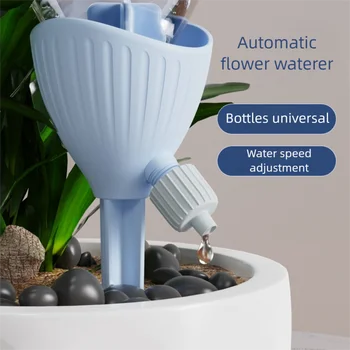
3. Invest in a Drip Irrigation System on a Timer
This is the single biggest time- and water-saver you can install.
- The Benefits: Water goes directly to the roots where it’s needed, eliminating evaporation and reducing leaf diseases. A timer means your garden gets watered even when you’re on vacation or simply forget.
Part 2: Water Wisdom – Hydrate Efficiently
4. The “Olla” Pot Hack
Bury an unglazed terracotta pot next to your thirsty plants (like tomatoes or squash), leaving the neck exposed. Fill it with water, and it will slowly seep moisture directly into the root zone, reducing your watering frequency by up to 50-70%.
5. Water in the “Weep”
Instead of a sprinkler, let a hose trickle slowly at the base of a plant for 20-30 minutes. This delivers a deep soak that encourages strong roots without wasting water.

6. Harvest Rainwater
Place a rain barrel under a downspout. It’s free, soft water (without chlorine) that’s perfect for your plants, and it reduces your water bill.
Part 3: Weed & Pest Control – The Lazy Way
7. “No-Dig” Gardening with Cardboard
Smother weeds and grass without back-breaking digging. Lay cardboard or several layers of newspaper over the area, wet it down, and cover it with 4-6 inches of compost or mulch. The cardboard blocks the light, killing the weeds underneath, and eventually decomposes to feed the soil.
8. The 3-Ingredient DIY Pest Spray
For a soft-bodied pest like aphids, mix 1 teaspoon of mild liquid soap, 1 tablespoon of cooking oil, and 1 quart of water in a spray bottle. Shake and spray directly on the pests. The soap breaks down their outer coating.
9. Plant Trap Crops
Lure pests away from your prized plants. For example, plant a few sacrificial Nasturtiums away from your vegetable garden. Aphids and cabbage moths will often flock to them, leaving your brassicas (like kale and broccoli) alone.
Part 4: Boosting Blooms & Harvests – With Minimal Effort
10. The “Chelsea Chop”
For perennials like Sedum and Asters, pinch or cut back the entire plant by one-third around late May (the time of the famous Chelsea Flower Show in the UK). This results in a shorter, sturdier plant that produces more blooms and won’t flop over in the fall.
11. Fertilize with Kitchen Scraps
Don’t throw out your cooking water! The water used to boil potatoes, eggs, or vegetables is full of leached-out nutrients. Let it cool and use it to water your plants for a gentle, free fertilizer boost.
12. Compost Tea for a Quick Boost
Steep a shovel-full of finished compost in a 5-gallon bucket of water for 24-48 hours. Strain and use the resulting “tea” to water your plants. It’s a liquid powerhouse of beneficial microbes and nutrients.
Part 5: Container & Small Space Genius
13. The Self-Watering Container Hack
Line the bottom third of a large pot with empty, sealed plastic water bottles. Fill the rest with potting mix. The bottles create a reservoir for drainage and air pockets, reducing how often you need to water and preventing root rot.
14. Grow “Cut-and-Come-Again” Veggies
Choose varieties that regrow after harvesting. Loose-leaf lettuce, Swiss chard, kale, and herbs like basil can be harvested a few leaves at a time, providing multiple meals from a single planting.
15. Use Vertical Space
Hanging baskets, wall pockets, and trellises aren’t just decorative. They dramatically increase your growing area. Grow strawberries in a basket, herbs in a pocket, and cucumbers or peas on a trellis.
Part 6: The Lazy Gardener’s Mindset
16. Embrace “Good Enough”
Your garden doesn’t need to be magazine-perfect. A few weeds or a yellowing leaf are not failures; they’re signs of a living, dynamic ecosystem.
17. Let It Go to Seed
Allow some of your herbs (like dill and cilantro) and flowers to go to seed. They will often self-sow, giving you free plants for next year with zero effort.
18. Mulch with What You Have
Don’t overthink mulch. Grass clippings (from an untreated lawn), shredded leaves, or even pine needles make excellent, free mulch.
19. Plant a “Green Manure” Cover Crop
If you have a vacant bed, sow a cover crop like clover or winter rye. It suppresses weeds, prevents soil erosion, and when turned into the soil in spring, adds valuable organic matter. It’s like a fertilizer you grow yourself.
20. Share the Work (and the Rewards)
Gardening is more fun with friends. Organize a seed swap, share the harvest of extra zucchini, or team up with a neighbor to tackle big chores.
Conclusion: Reclaim Your Joy in the Garden
Gardening should be a source of peace and satisfaction, not a list of chores. By implementing these smart strategies, you can spend less time working in your garden and more time enjoying being in your garden. So, put down the heavy tools, pick up a clever hack, and watch your garden—and your free time—flourish.
What’s your best lazy gardening tip? How do you keep your garden beautiful without it taking over your life? Share your wisdom in the comments below!