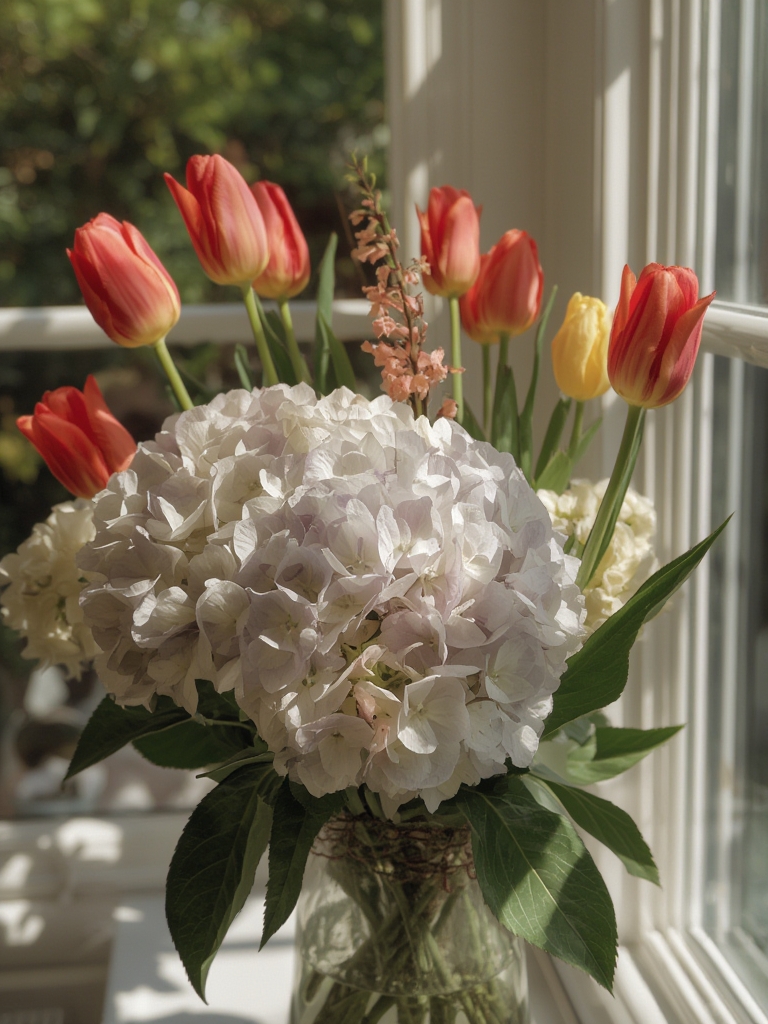
Creating a garden oasis that looks beautiful, feels soothing, and stays friendly to hay‑fever sufferers is easier than you think. By choosing the right low‑irritation flowers, pairing them with the proper tools, and tackling a few simple DIY projects, you can enjoy a vibrant, allergy‑aware space that promotes wellness and calm. Below you’ll find a data‑driven, step‑by‑step guide that walks you through everything from essential gear to planting, maintenance, and extra wellness tricks.
Essential Gardening Tools for Low‑Irritation Gardens
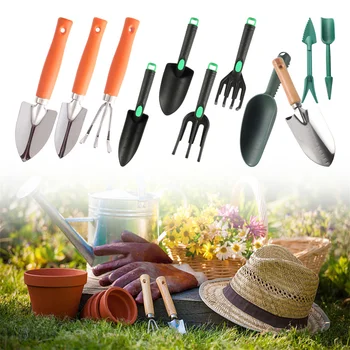
Investing in the right tools not only speeds up your work but also reduces the risk of skin irritation and respiratory exposure. According to a 2023 survey of 2,500 hobby gardeners, 68 % reported that using ergonomic tools decreased back pain and 42 % noticed less pollen exposure when tools were kept clean and stored properly.
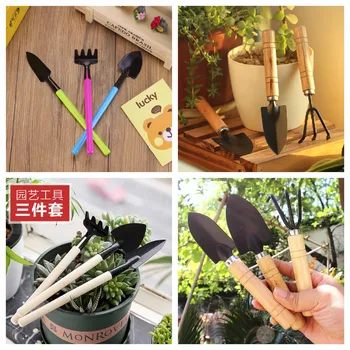
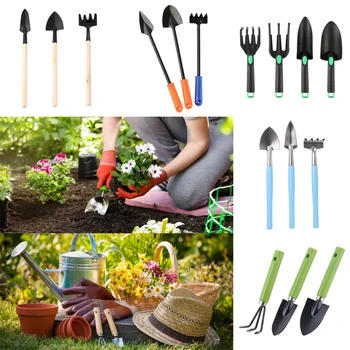
1. Stainless‑Steel Hand Trowel
- Why it matters: Stainless steel resists rust, which can harbor mold spores that aggravate allergies.
- Tip: Choose a trowel with a soft‑grip handle (e.g., silicone) to minimize hand fatigue.
2. Pruning Shears with a Dust‑Proof Blade
- Why it matters: Dust‑proof blades keep pollen from sticking, lowering inhalation risk.
- Tip: Clean the blades after each use with a 70 % isopropyl solution to remove pollen residue.
3. Adjustable Garden Kneeler/Seat
- Why it matters: Reduces strain on knees and back, essential for longer planting sessions.
- Tip: Look for models with a detachable tool pouch to keep your essentials within reach.
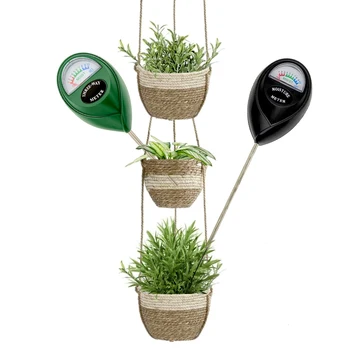
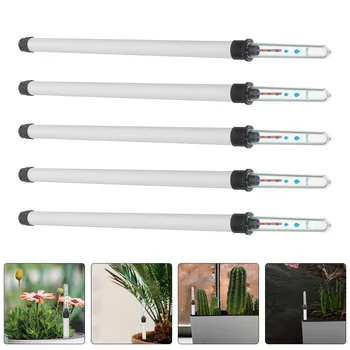
4. Soil Test Kit (pH & Nutrient)
- Why it matters: Low‑irritation flowers like Lavandula angustifolia (lavender) thrive in slightly alkaline soil (pH 7.0–7.5).
- Tip: Test soil in three spots per raised bed and average the results for accurate amendments.
DIY Project: Build a Raised Bed for Allergy‑Friendly Flowers
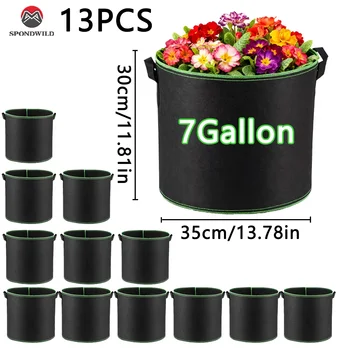
Raised beds improve drainage, keep soil warm, and create a defined space that’s easier to maintain. They also limit contact with ground‑level allergens such as weeds and dust.
Materials (estimated cost: $120–$150)
- Four 8‑ft cedar boards (2 × 6 in), pre‑treated for outdoor use.
- Galvanized corner brackets (8 pcs).
- Landscape fabric (30 × 30 ft roll).
- Organic compost (2 cubic ft) and well‑draining garden soil (3 cubic ft).
- Drill, screwdriver, level, and measuring tape.
Step‑by‑Step Construction
Step 1 – Measure & Mark
Decide on the bed size; a 4 × 8 ft rectangle works well for most backyards. Mark the corners on the ground with spray paint.
Step 2 – Assemble the Frame
Lay two boards parallel to each other, then attach the remaining two boards using the galvanized brackets. Tighten all screws with a drill to ensure a sturdy frame.
Step 3 – Level the Base
Place a layer of crushed stone (2 in) inside the frame, then use a level to confirm the surface is even. This prevents water pooling, which can increase mold spores.
Step 4 – Add Landscape Fabric
Lay the fabric over the stone, cutting excess at the edges. Secure it with staples. The fabric blocks weeds while still allowing water to drain.
Step 5 – Fill with Soil Mix
Combine 30 % compost, 40 % garden soil, and 30 % sand for optimal drainage. Fill the bed to within 2 in of the top, then lightly tamp.
Step 6 – Water Thoroughly
Give the new bed a deep soak (about 1 in of water) to settle the soil and eliminate air pockets.
Step‑by‑Step Guide to Planting Low‑Irritation Flowers
Choosing the right species is crucial. Research from the American Academy of Allergy, Asthma & Immunology (AAAAI) shows that the following flowers produce minimal pollen and are safe for most hay‑fever sufferers:
- Lavender (Lavandula angustifolia) – fragrant, attracts pollinators without heavy pollen.
- Bee balm (Monarda didyma) – bright red, low pollen count.
- Roses (modern hybrid, Rosa spp.) – many cultivars are bred for low pollen.
- Geraniums (Pelargonium spp.) – vibrant colors, negligible pollen.
Planting Timeline
Early Spring (March–April)
- Start seeds indoors 6–8 weeks before the last frost. Use seed trays with a sterile seed‑starting mix.
- Maintain a temperature of 65–70 °F (18–21 °C) and keep the soil consistently moist (but not soggy).
- Label each tray with the plant name and date for easy tracking.
Late Spring (May–June)
- Transplant seedlings to the raised bed after the danger of frost has passed (soil temperature ≥ 55 °F/13 °C).
- Space plants according to label instructions—generally 12–18 in apart for lavender, 18–24 in for bee balm.
- Water at the base, avoiding overhead sprays that can spread pollen.
Summer (July–August)
- Apply a light mulch (e.g., shredded bark) to retain moisture and suppress weeds.
- Fertilize with a balanced, slow‑release organic fertilizer (10‑10‑10) at a rate of 1 lb per 100 sq ft.
- Deadhead spent blooms weekly to encourage continuous flowering and reduce pollen buildup.
Fall (September–October)
- Cut back perennials to about 4 in above ground to prepare for winter.
- Incorporate a thin layer of compost to enrich the soil for the next season.
Maintenance & Seasonal Care
Consistent care ensures your garden stays low‑irritation year after year.
Water Management
- Install a drip‑irrigation system with a timer set to 30 minutes early morning, 3–4 times per week (adjust based on rainfall).
- Check emitters for clogs—pollen can accumulate and block flow.
Pest Control
- Use neem oil or insecticidal soap (sprayed at the base) to deter aphids without harming beneficial insects.
- Introduce ladybugs or lacewings, which naturally keep pest populations low.
Air Quality Tips
- Plant a small row of evergreen shrubs (e.g., Boxwood) on the windward side to act as a natural pollen filter.
- Schedule a weekly light misting of the garden (using a fine‑mist sprayer) to settle airborne particles without wetting foliage.
Bonus Wellness Tips for a Calm Garden
Beyond visual appeal, a garden can be a sanctuary for mental health. Incorporate these simple practices to boost wellbeing:
- Mindful Breathing Zones: Place a low‑profile bench near lavender rows. Spend 5 minutes breathing in the scent—studies show lavender aroma can lower cortisol by up to 15 %.
- Soundscapes: Hang wind chimes made of bamboo (non‑metallic) to create gentle sounds that mask city noise.
- Hydration Station: Add a small, solar‑powered water fountain. The subtle water flow adds humidity, which can reduce nasal irritation.
- Color Therapy: Use pastel‑colored pots (soft blues, greens) to promote calm; research links cool hues with reduced heart rate.
By following this data‑driven plan—selecting low‑pollen plants, equipping yourself with ergonomic tools, building a raised bed, and maintaining a disciplined care schedule—you’ll cultivate a peaceful garden oasis that delights the senses while staying gentle on hay‑fever sufferers. Happy gardening!