Indoor plants are more than just décor; they improve air quality, boost mood, and create a calming oasis inside any home. By combining data‑driven care routines with nature‑inspired color palettes, you can turn a modest apartment into a thriving green sanctuary. Below is a step‑by‑step guide that blends scientific insights with practical, actionable tips to help beginners and seasoned growers alike succeed.
1. Choose the Right Plant for Your Space
Assess Light Levels
Use a light meter app or a simple DIY test: place a piece of white paper on a windowsill for 5 minutes. If the paper feels warm, you have high light (≥ 5,000 lux); if it stays cool, you have low light (< 1,000 lux). Match the plant’s native habitat to these readings:
- High light (≥ 5,000 lux): Succulents, cactus, fiddle‑leaf fig.
- Medium light (1,000‑5,000 lux): ZZ plant, pothos, snake plant.
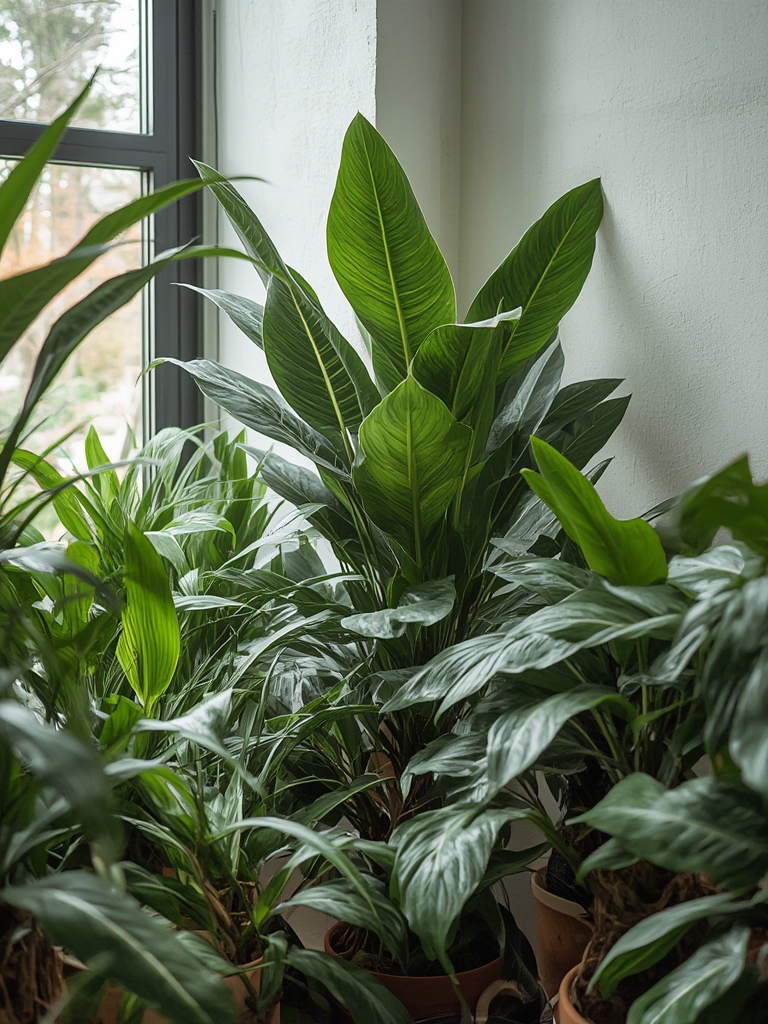
- Low light (< 1,000 lux): Cast‑iron plant, peace lily, philodendron.
Consider Color Schemes
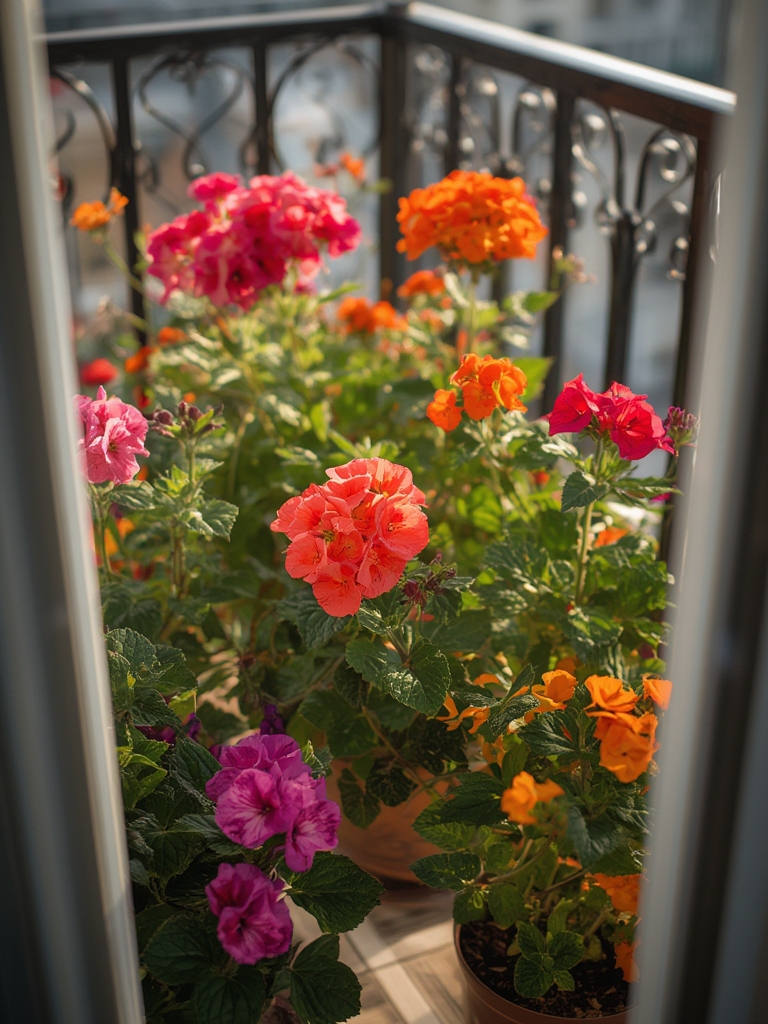
Pick foliage and flower colors that echo natural palettes—soft greens, muted earth tones, and occasional pops of pastel bloom. For example, pair a deep‑green monstera with a pale‑pink African violet to mimic forest understory shades.
2. Prepare the Ideal Growing Medium
Soil Composition
Data from horticultural studies show that a well‑draining mix reduces root rot risk by up to 30 %. Create a custom blend:
- 40 % peat moss or coconut coir (retains moisture).
- 30 % perlite or pumice (improves aeration).
- 30 % composted bark or leaf mold (adds organic nutrients).
pH Monitoring
Most indoor plants thrive at a pH of 6.0‑6.8. Use inexpensive pH test strips: dip a small amount of soil water and compare the color chart. Adjust with lime (to raise pH) or sulfur (to lower pH) in 1‑gram increments per 5 L of soil.
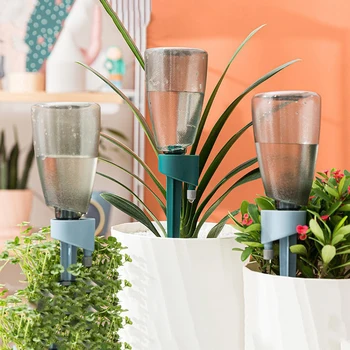
3. Master Watering Techniques
Understand the “Finger Test”
Insert your index finger 2 cm into the soil. If it feels dry, water; if it’s still moist, wait 24‑48 hours. This simple test aligns with research showing that over‑watering accounts for 70 % of indoor plant failures.
Water Quality
Tap water often contains chlorine and fluoride, which can damage sensitive foliage. Let water sit for 24 hours to let chlorine evaporate, or use filtered rainwater for delicate species like ferns.
4. Optimize Light Exposure
Positioning
Place high‑light plants within 30‑45 cm of a south‑facing window. For medium‑light species, aim for 60‑90 cm distance. Low‑light plants can sit farther away or near north‑facing windows.
Supplement with Grow Lights
If natural light is insufficient, install full‑spectrum LED panels. Set a timer for 12‑14 hours during winter months and 8‑10 hours in summer. Data from the University of Florida indicates that LED lighting can increase leaf growth rate by 25 % compared to fluorescent bulbs.
5. Feed Your Plants Wisely
Fertilizer Schedule
Use a balanced 20‑20‑20 liquid fertilizer diluted to ¼ strength. Follow this schedule:
- Spring (Mar‑May): Feed every 2 weeks.
- Summer (Jun‑Aug): Feed every 3 weeks.
- Fall & Winter (Sep‑Feb): Reduce to once a month or stop entirely for slow‑growth species.
Organic Boosters
Incorporate a monthly dose of seaweed extract (1 ml per liter of water) to improve chlorophyll production and stress tolerance, especially during temperature fluctuations.
6. Manage Temperature & Humidity
Ideal Ranges
Most indoor foliage prefers 18‑24 °C (65‑75 °F) and 40‑60 % relative humidity. Use a digital hygrometer to track conditions. If humidity drops below 40 %, mist leaves lightly or place a pebble tray filled with water beneath the pot.
Seasonal Adjustments
During winter heating, raise humidity by grouping plants together—this creates a micro‑climate that mimics a forest canopy.
7. Prune and Repot for Longevity
Pruning Basics
Remove yellow or brown leaves promptly to prevent fungal spread. Trim leggy stems back to a node to encourage bushier growth. Data from a 2022 greenhouse study shows that strategic pruning can increase new leaf production by 18 %.
Repotting Timeline
Check root health annually by gently sliding the plant out of its pot. If roots circle the perimeter, move to a container 2‑3 cm larger in diameter. Refresh the soil mix to replenish nutrients.
8. Incorporate Nature‑Inspired Color Schemes
Palette Planning
Use a digital color wheel to select complementary shades. For a serene look, pair deep‑green foliage with soft‑cream pots and pastel‑colored flowers (e.g., lavender or pale yellow). This mimics the subtle gradients found in natural understories.
Decorative Accents
Choose planters in earth tones—terracotta, muted sage, or warm sand. Add natural textures like woven baskets, river stones, or reclaimed wood shelves to reinforce the organic vibe.
9. Monitor Plant Health with Data
Track Progress
Maintain a simple spreadsheet with columns for:
- Date
- Water amount (ml)
- Fertilizer dose
- Light exposure (hours)
- Observed changes (new leaves, discoloration)
Analyzing trends over weeks helps you spot issues early—e.g., a gradual drop in new growth may signal nutrient deficiency.
Use Mobile Apps
Apps like “PlantSnap” or “PictureThis” can identify pests and diseases within seconds. Pair the diagnosis with the app’s treatment recommendations for a data‑backed response.
10. Celebrate Your Indoor Garden
Once your plants are thriving, share the success! Post before‑and‑after photos on social media, using hashtags such as #IndoorJungle, #GreenLiving, and #NatureInspiredDesign. Engaging with a community not only boosts motivation but also provides fresh ideas for expanding your indoor garden.
By following these evidence‑based steps and embracing nature‑inspired aesthetics, you’ll create a vibrant, healthy indoor garden that delights the eyes and nurtures the spirit.