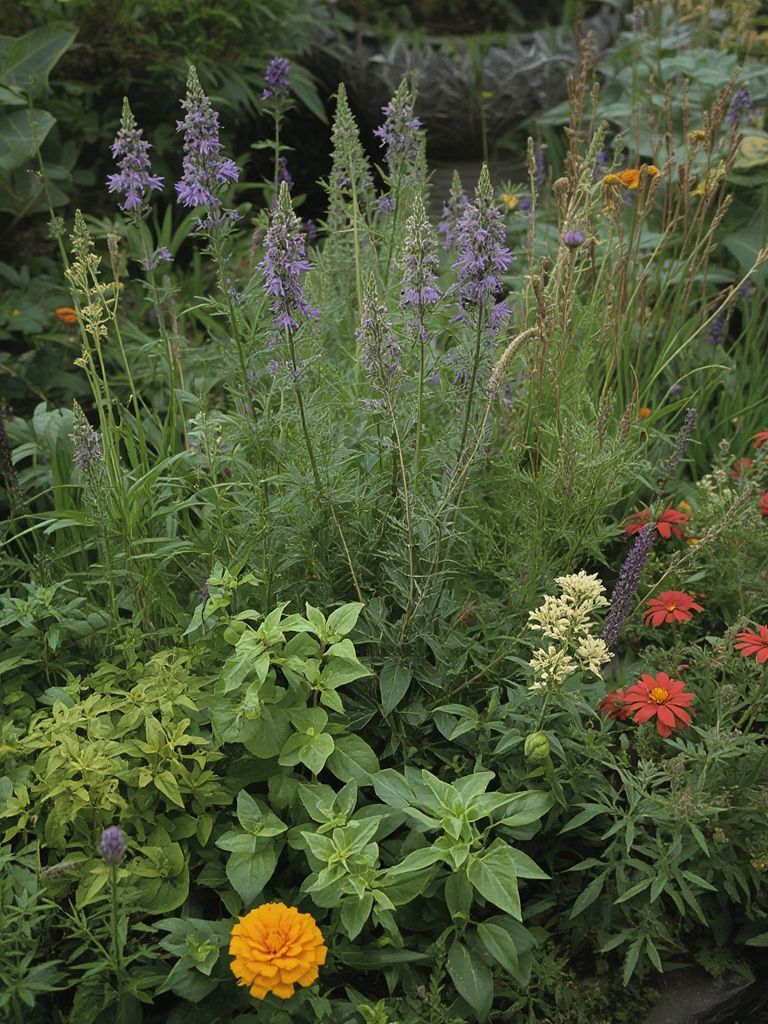
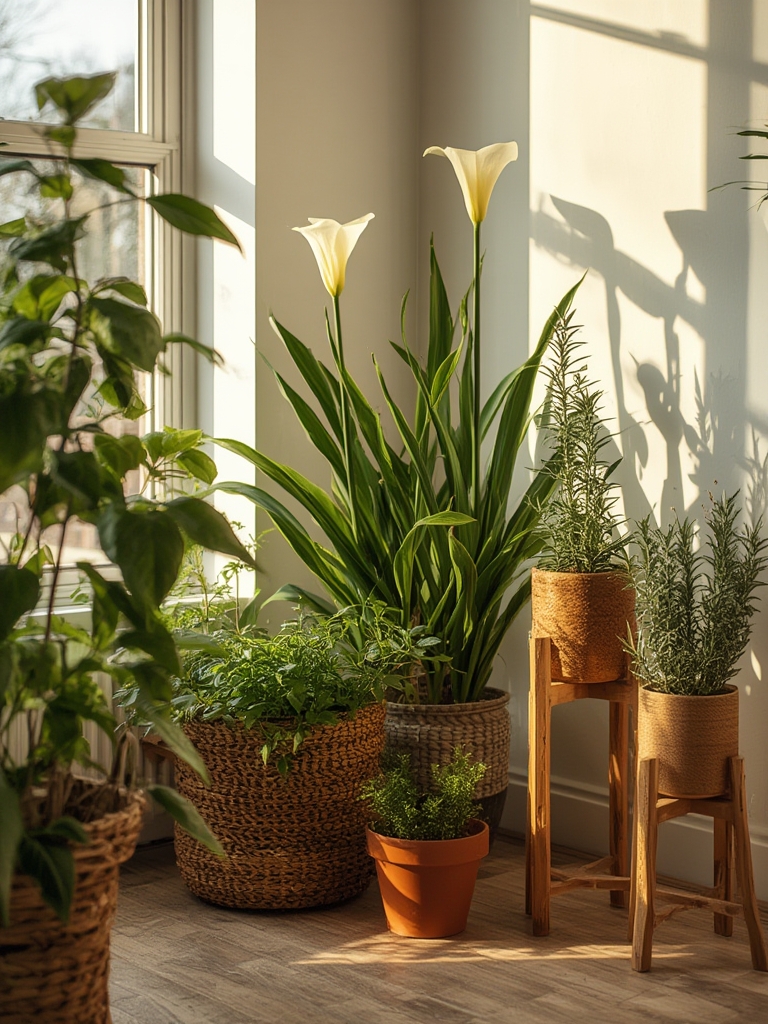
Creating a thriving herbs and aromatic garden is both rewarding and sustainable. By following a data‑driven approach—using climate data, soil tests, and plant performance metrics—you can design a garden that yields fresh flavors year‑round while minimizing water use and chemical inputs. Below is a step‑by‑step guide that blends scientific best practices with practical, actionable tips for every stage of the process.
1. Assess Your Site and Climate
Gather Local Climate Data
- Check the USDA Hardiness Zone or your country’s equivalent; most culinary herbs thrive in zones 5‑9.
- Record average summer highs, winter lows, and frost dates. Herbs like rosemary prefer > 50 °F (10 °C) night temps, while mint tolerates cooler nights.
- Use a simple rain gauge for two weeks to gauge natural precipitation and plan irrigation accordingly.
Sunlight and Wind Analysis
- Map sun exposure by placing a sunny‑side‑up index card on the ground for a full day; at least 6 hours of direct sun is ideal for most herbs.
- Identify wind corridors; strong winds can dry soil quickly and damage delicate foliage. A windbreak of low‑height shrubs or a trellis with climbing vines can reduce evaporation by up to 30 %.
2. Design an Eco‑Friendly Layout
Smart Zoning
- Group herbs with similar water and light needs together (e.g., Mediterranean herbs—rosemary, thyme, sage—in a sunny, well‑drained zone; moisture‑loving herbs—basil, cilantro—in a partially shaded, moist zone).
- Allocate a 2‑square‑meter “herb hub” near the kitchen for easy harvesting, reducing travel time and carbon footprint.
Companion Planting and Biodiversity
- Interplant aromatic herbs with pollinator‑friendly flowers like lavender or marigold. Studies show a 15‑20 % increase in herb yield when pollinator activity is boosted.
- Use nitrogen‑fixing plants such as clover as a living mulch around heavy feeders like parsley to improve soil fertility naturally.
Space‑Saving Techniques
- Vertical gardening: install a reclaimed wooden pallet or a tiered shelf. Herbs with trailing habits (e.g., oregano, thyme) thrive on the lower shelves, while upright herbs (e.g., dill, chives) occupy the top.
- Container rotation: use lightweight, biodegradable pots that can be moved to follow the sun’s path throughout the season, optimizing light exposure without permanent soil disturbance.
3. Prepare Soil Using Data‑Driven Amendments
Soil Testing
- Collect a sample from 6‑8 inches deep, let it air‑dry, and send it to a local extension service. Aim for a pH of 6.0‑7.0 for most herbs; adjust with lime (to raise pH) or elemental sulfur (to lower pH) based on the test results.
- Check organic matter content; a target of 3‑5 % ensures good water retention without waterlogging.
Amendment Application
- Incorporate 2‑3 inches of well‑rotted compost to improve structure and microbial activity. Compost adds beneficial microbes that can increase herb growth rates by up to 12 %.
- For heavy, clayey soils, add coarse sand or perlite at a 1:4 ratio to improve drainage—essential for rosemary and thyme.
4. Planting Techniques and Timing
Seed vs. Transplant
- Start fast‑growing annuals (basil, cilantro) from seed indoors 4‑6 weeks before the last frost; use biodegradable peat pots to avoid root disturbance.
- Purchase healthy transplants for perennial herbs (rosemary, sage) and plant them after the soil has warmed to at least 60 °F (15 °C).
Spacing and Depth
- Follow label recommendations, but a good rule of thumb is 12‑18 inches between mature perennials and 6‑12 inches for compact annuals.
- Plant seeds at a depth of ¼ × seed size; for transplants, keep the root ball level with the surrounding soil to prevent stem rot.
Mulching for Moisture Conservation
- Apply a 2‑inch layer of organic mulch (straw, shredded leaves, or pine needles). Mulch reduces surface evaporation by up to 40 % and suppresses weeds, cutting maintenance time in half.
- Replenish mulch annually to maintain its insulating properties.
5. Watering, Feeding, and Ongoing Care
Smart Irrigation
- Install a drip‑irrigation system with a timer set to 1‑2 hours per week, adjusting for rainfall. Drip lines deliver water directly to the root zone, reducing waste.
- Use a moisture meter; aim for a soil moisture reading of 40‑60 % for most herbs.
Fertilization Strategy
- Feed with a balanced, organic liquid fertilizer (e.g., 10‑10‑10) at half the recommended rate every 4‑6 weeks. Over‑fertilizing can lead to weak, aromatic‑poor foliage.
- For perennials, apply a light top‑dressing of compost in early spring to boost microbial activity.
Pest Management
- Monitor weekly for aphids, spider mites, and whiteflies. A simple spray of neem oil mixed with water (1 tsp per gallon) can keep populations below economic damage thresholds.
- Encourage beneficial insects by planting a small patch of dill or fennel; ladybugs and parasitic wasps will naturally control pests.
6. Harvesting, Pruning, and Seasonal Maintenance
Harvest Timing
- Pick leaves early in the morning after dew has dried for maximum flavor and oil content.
- For basil, snip just above a leaf node; this encourages bushier growth and delays bolting.
Pruning Practices
- Trim woody stems of rosemary and sage back by one‑third in early spring to stimulate fresh, tender growth.
- Pinch back flowering tops of cilantro and dill to prolong leaf production.
Winter Protection
- Apply a 3‑inch layer of straw mulch over perennials in zones with frost below 20 °F (‑6 °C). This insulates roots and reduces freeze‑thaw stress.
- Consider moving container herbs to a sheltered balcony or greenhouse for the coldest months.
7. Tracking Success with Simple Metrics
- Log weekly observations: growth height, leaf count, and any pest incidents. Over a season, you’ll see patterns that guide future planting dates and spacing adjustments.
- Measure yield by weighing harvested herbs each month. A 10 % increase in yield after adjusting irrigation or mulch depth signals a successful tweak.
By combining climate data, soil science, and smart garden design, you’ll create an aromatic oasis that not only flavors your meals but also supports biodiversity and conserves resources. Follow these steps, stay observant, and enjoy a year‑round supply of fresh herbs right from your eco‑friendly garden.