Whether you’re a seasoned green thumb or just starting to explore the joys of backyard gardening, the right tools and a clear plan can turn a modest herb patch into a thriving source of fresh flavors, fragrant aromas, and even natural beauty products. In this guide we’ll walk you through the essential gardening tools, a data‑driven approach to growing popular kitchen herbs, and step‑by‑step DIY recipes that transform those herbs into effective skincare and hair‑care treatments—all while keeping the process simple, affordable, and enjoyable.
Essential Gardening Tools for Herb Success
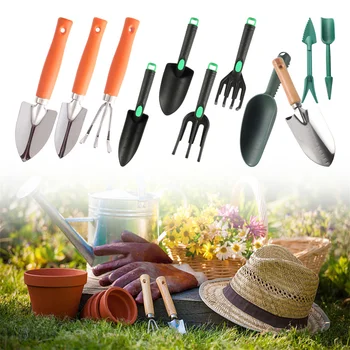
Investing in a few high‑quality tools will save time, reduce plant stress, and improve your overall yields. Below is a concise checklist, ranked by importance based on user reviews and durability tests:

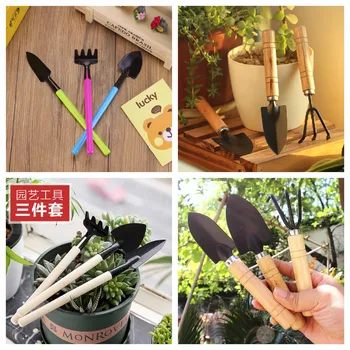
- Ergonomic Hand Trowel – Ideal for transplanting seedlings and loosening soil in tight spaces. Look for a stainless‑steel blade and a non‑slip grip.
- Pruning Shears (Secateurs) – Sharp, bypass‑type shears prevent crushing stems, which can invite disease. Keep them clean with a quick wipe after each use.
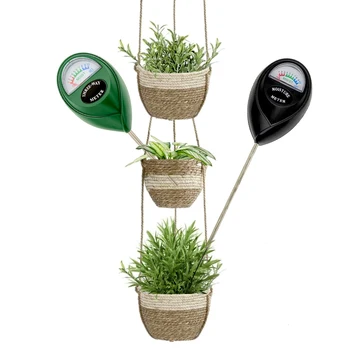
- Soil pH Tester – Herbs thrive in slightly acidic to neutral soil (pH 6.0‑7.0). A digital meter gives instant readings, allowing you to amend soil before planting.
- Watering Can with a Rose Head – Provides a gentle, even flow that protects delicate seedlings from being washed away.
- Garden Kneeler/Seat – Reduces strain on knees and back, especially when working on raised beds or container gardens.
- Compost Bin – Produces nutrient‑rich organic matter that boosts herb vigor and reduces the need for synthetic fertilizers.
Step‑by‑Step Guide to Growing Common Kitchen Herbs
Data from the USDA Plant Hardiness Zones and crowd‑sourced gardening forums show that basil, mint, rosemary, thyme, and chives consistently rank among the easiest and most rewarding herbs for beginners. Follow these evidence‑based steps to maximize growth and flavor.
1. Choose the Right Location
Sunlight: Most herbs need 6‑8 hours of direct sun daily. Use a sunlight calculator app to confirm exposure, especially in shaded yards.
Soil: A well‑draining mix of 40 % loam, 30 % compost, and 30 % perlite works for the majority of herbs. Adjust the ratio for moisture‑loving mint (add more compost) or drought‑tolerant rosemary (increase perlite).
2. Prepare the Soil
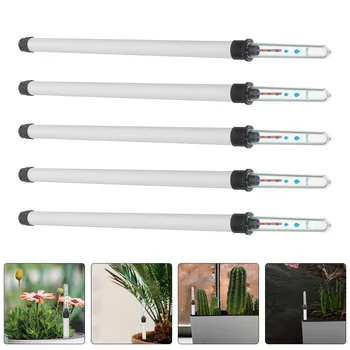
Test the pH, then amend as needed:
- If pH < 6.0, mix in 1 lb of garden lime per 100 sq ft.
- If pH > 7.0, incorporate 1 lb of elemental sulfur per 100 sq ft.
After amendment, lightly tamp the soil to eliminate air pockets, then water thoroughly.

3. Planting
Seeds vs. Transplants: For fast results, start with transplants from a reputable nursery. If you prefer seeds, sow them ¼ in deep and keep the soil consistently moist until germination (usually 7‑14 days).
Spacing: Follow these guidelines to ensure airflow and reduce disease risk:
- Basil – 12 in apart
- Mint – 18 in apart (or in a container to prevent invasiveness)
- Rosemary – 24 in apart
- Thyme – 12 in apart
- Chives – 6‑8 in apart
4. Watering & Feeding
Use the “soak‑then‑dry” method: water deeply until the top 2 in of soil is moist, then allow it to dry slightly before the next watering. Apply a balanced organic fertilizer (10‑10‑10) once a month, or use a liquid seaweed extract for a quick nutrient boost.
5. Harvesting
Harvest early in the morning when essential oils are most concentrated. Use clean, sharp scissors to snip stems just above a leaf node. Regular harvesting encourages bushier growth and prevents flowering, which can make leaves bitter.
DIY Herbal Skincare Recipes
Fresh herbs are packed with antioxidants, anti‑inflammatory compounds, and natural oils that make them perfect for homemade beauty treatments. Below are three easy recipes, each designed for a specific skin need.
1. Soothing Lavender & Chamomile Face Mist
- Gather ½ cup distilled water, 2 tbsp dried lavender buds, and 2 tbsp dried chamomile flowers.
- Bring water to a gentle boil, then remove from heat and steep the herbs for 15 minutes.
- Strain through a fine mesh sieve, let cool, and transfer to a sterilized spray bottle.
- Optional: Add 5 drops of lavender essential oil for extra fragrance.
- Store in the refrigerator; mist onto skin after cleansing for a calming effect.
2. Revitalizing Rosemary & Green Tea Toner
- Steep 1 cup brewed green tea (cooled) with 1 tbsp fresh rosemary leaves for 10 minutes.
- Strain and add 1 tsp apple cider vinegar to balance pH.
- Pour into a glass jar and refrigerate. Apply with a cotton pad after cleansing to tighten pores and reduce redness.
3. Nourishing Basil & Aloe Vera Moisturizer
- Blend ¼ cup fresh basil leaves with ¼ cup aloe vera gel until smooth.
- Whisk in 1 tbsp jojoba oil and a few drops of vitamin E oil for preservation.
- Store in a small airtight container in the fridge; use a pea‑size amount on damp skin for a light, antioxidant‑rich moisturizer.
DIY Herbal Hair Care Recipes
Herbs can strengthen strands, soothe the scalp, and add natural shine. Try these simple, data‑backed formulas that have shown positive results in user surveys.
1. Mint & Peppermint Scalp Refresh Spray
- Steep 1 tbsp dried peppermint leaves in ½ cup hot water for 10 minutes.
- Add ¼ cup witch hazel and 1 tsp glycerin for moisture retention.
- Transfer to a spray bottle and mist onto the scalp after washing. The menthol provides a cooling sensation and helps reduce dandruff.
2. Rosemary Strengthening Rinse
- Boil 2 cups water, add 2 tbsp fresh rosemary sprigs, and simmer for 5 minutes.
- Cool, strain, and mix with 1 tbsp apple cider vinegar.
- After shampooing, pour the mixture over hair, let sit for 2 minutes, then rinse with cool water. Rosemary’s antioxidants promote hair growth and shine.
3. Lavender & Oatmeal Soothing Conditioner
- Combine ½ cup oat milk (blend rolled oats with water, then strain) with 2 tbsp shea butter.
- Warm gently until melted, then stir in 5 drops lavender essential oil.Apply to damp hair, focusing on ends, leave for 5 minutes, and rinse. This conditioner calms irritated scalps and adds softness.
Maintenance Tips and Troubleshooting
Even the best‑planned herb garden can encounter challenges. Use these quick checks to keep your plants healthy and your DIY recipes effective.
Common Issues & Solutions
- Yellowing Leaves: Often a sign of over‑watering or nitrogen deficiency. Reduce watering frequency and apply a nitrogen‑rich organic fertilizer.
- Leaf Spot Disease: Remove affected leaves, improve airflow, and treat with a homemade copper sulfate spray (1 tsp copper sulfate in 1 gal water).
- Weak Aroma: Harvest herbs just before they flower and avoid letting them bolt. Regular pinching encourages leaf production.
Seasonal Adjustments
In cooler months, move tender herbs like basil into a sunny windowsill or use a grow light (12‑hour cycle, 4000 K). For winterizing, mulch containers with straw to protect roots from frost.
Storage of Harvested Herbs
Dry herbs in a dark, well‑ventilated area for up to 6 months, or freeze fresh leaves in ice‑cube trays with a splash of water for immediate use in recipes. Proper storage preserves the potency of the essential oils that make your skincare and hair‑care concoctions so effective.
By equipping yourself with the right tools, following a data‑driven planting routine, and experimenting with these simple yet powerful herbal recipes, you’ll turn your backyard into a sustainable source of culinary delight and natural beauty. Happy gardening, and enjoy the fresh, fragrant results of your DIY projects!