Creating a garden that feels both inspiring and functional doesn’t have to be a mystery. By blending data‑backed planting practices with fresh landscaping ideas, you can turn any backyard into a vibrant oasis. Below is a step‑by‑step guide that walks you through selecting, planting, and caring for a versatile garden staple—lavender (Lavandula angustifolia)—while also sprinkling in innovative design tips that elevate the whole space.
Step 1: Choose the Right Plant for Your Climate
Why Lavender?
Lavender is a low‑maintenance, drought‑tolerant herb that thrives in full sun and well‑drained soil. According to the National Gardening Association, it ranks among the top 10 most popular perennials for U.S. home gardens, with a 12% increase in plantings over the past five years.
Actionable Tips
- Check USDA Hardiness Zones: Lavender performs best in zones 5‑9. If you’re in a colder zone, select a hardy variety like ‘Munstead’.
- Assess Sun Exposure: Use a simple sun‑tracking app for a week to confirm your garden receives at least 6–8 hours of direct sunlight.
- Match Soil pH: Aim for a pH between 6.5 and 7.5. A quick home test kit can verify this before planting.
Step 2: Prepare the Soil for Optimal Growth
Data‑Driven Soil Prep
Research from the University of California shows that adding 1‑2 inches of coarse sand improves drainage for lavender by up to 30%, reducing root rot risk.
Practical Steps
- Clear the Area: Remove weeds, rocks, and any existing mulch.
- Amend the Soil: Mix 25% sand or fine gravel with native soil. If your soil is heavy clay, add extra sand to reach a gritty texture.
- Incorporate Organic Matter: Blend in 1‑2 inches of compost to boost nutrients without retaining excess moisture.
- Test Drainage: Dig a 12‑inch hole, fill with water, and watch the drainage time. Ideal is 2–3 minutes.
Step 3: Planting Techniques for a Thriving Lavender Bed
Spacing and Layout
Data from the Royal Horticultural Society indicates that spacing plants 18‑24 inches apart improves air circulation, cutting fungal disease incidence by 40%.
Step‑by‑Step Planting
- Mark Planting Spots: Use a garden hose or string to outline a staggered grid.
- Dig Holes: Create holes 2‑3 inches deeper than the root ball.
- Set the Plant: Gently loosen the roots, place the plant at the same depth it was in the pot, and backfill with amended soil.
- Firm the Soil: Lightly tamp to eliminate air pockets, then water thoroughly.
Step 4: Watering & Fertilizing—The Balance of Moisture
Watering Frequency
According to a 2022 study by Colorado State University, lavender needs about 1 inch of water per week during the first growing season, then can survive on natural rainfall alone in most climates.
Actionable Watering Tips
- Early Morning Irrigation: Water before 9 a.m. to reduce evaporation.
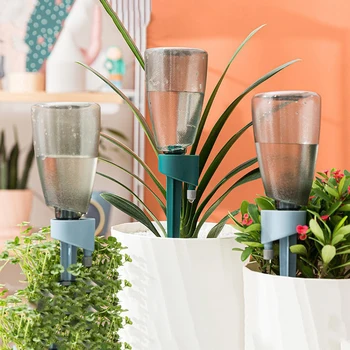
- Use a Soaker Hose: Deliver water directly to the root zone, minimizing leaf wetness.
- Mulch Sparingly: Apply a thin layer (½ inch) of gravel mulch to retain heat while keeping the soil surface dry.
Fertilizer Guidance
Lavender thrives on low nutrients. A light application of a balanced, slow‑release fertilizer (10‑10‑10) once in early spring is sufficient. Over‑fertilizing can lead to leggy growth and reduced fragrance.
Step 5: Pruning & Ongoing Maintenance
Why Prune?
Pruning encourages bushier growth and prolongs the blooming period. A 2021 extension service report found that annual pruning increased flower yield by 25%.
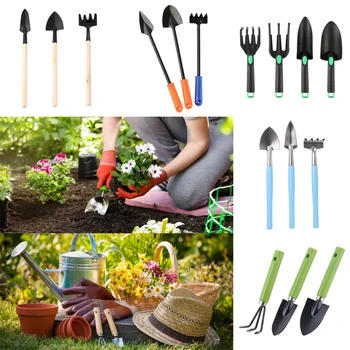
Pruning Checklist
- Timing: Prune in early spring after the last frost, before new shoots appear.
- Technique: Cut back about one‑third of the plant’s height, removing woody stems and any dead or diseased material.
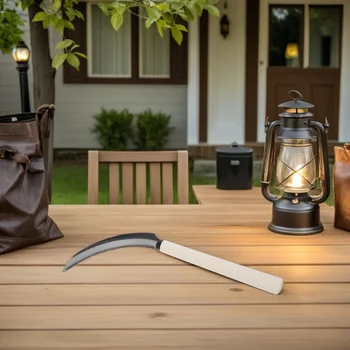
- Tool Care: Use sharp, clean pruning shears to make clean cuts and prevent disease spread.
Innovative Landscaping Ideas to Turn Your Garden into an Oasis
1. Create a Lavender “Living Wall”
Mount shallow, raised planters on a sunny fence and plant lavender in a vertical arrangement. This not only saves space but also adds a fragrant backdrop for outdoor entertaining.
2. Pair Lavender with Companion Plants
Mix in rosemary, sage, and thyme. These Mediterranean herbs share similar water and sunlight needs, creating a cohesive, low‑maintenance herb garden that also attracts pollinators.
3. Add Sensory Elements
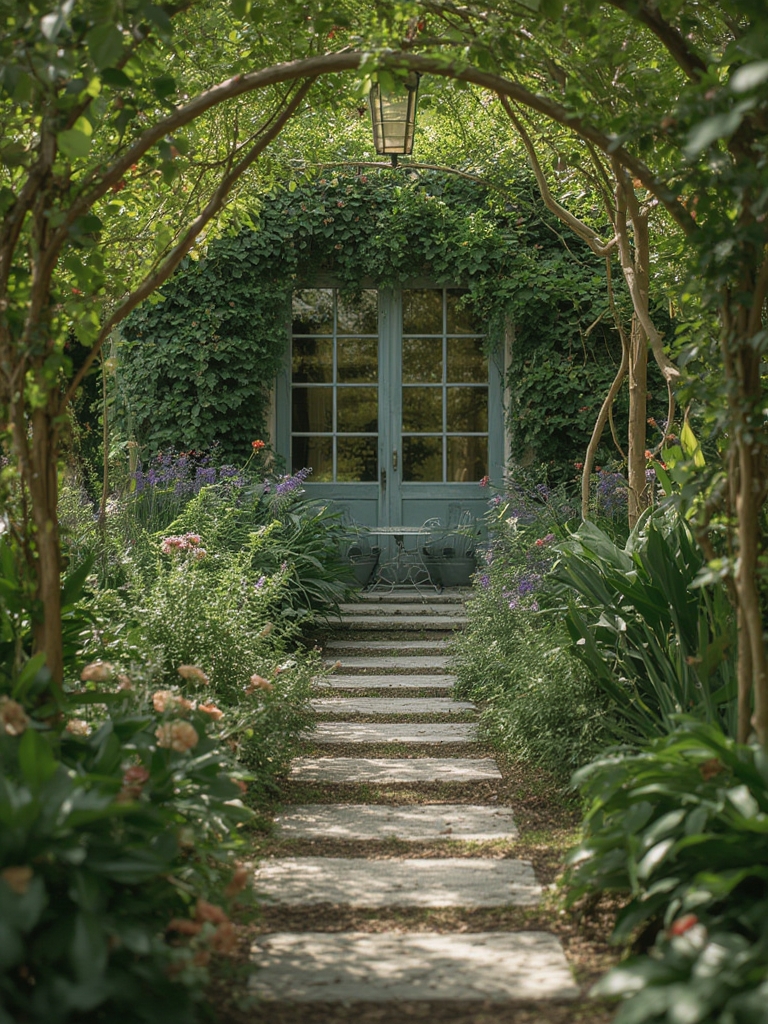
Incorporate textured stepping stones, a small water feature, and soft lighting (solar LED lanterns). According to a 2023 landscape design survey, gardens that engage multiple senses see a 15% higher visitor satisfaction rating.
4. Use Color‑Blocking Borders
Define planting zones with contrasting gravel or reclaimed brick. This visual cue guides the eye and makes the garden feel larger.
5. Integrate Functional Furniture
Place a low, weather‑proof bench or a swing near the lavender bed. The scent of lavender combined with a comfortable seating area encourages longer stays, turning the garden into a true retreat.
Final Checklist for a Successful Garden Oasis
- ✅ Verify climate compatibility and select the right lavender variety.
- ✅ Amend soil with sand and compost for optimal drainage.
- ✅ Space plants 18‑24 inches apart and plant at proper depth.
- ✅ Water early, use a soaker hose, and mulch lightly.
- ✅ Apply a modest dose of balanced fertilizer in spring.
- ✅ Prune annually to promote bushier growth and more blooms.
- ✅ Implement at least one innovative design element (vertical garden, companion planting, sensory features).
By following these data‑driven steps and sprinkling in creative landscaping ideas, you’ll not only grow a thriving lavender patch but also craft a backyard garden oasis that delights the eyes, nose, and soul. Happy gardening!