Herbs and aromatic plants are the unsung heroes of any garden, offering fresh flavors, soothing scents, and even natural pest control. Whether you have a spacious backyard or just a sunny windowsill, you can cultivate a thriving herb garden that delivers fresh, fragrant leaves year‑round. Below you’ll find a data‑driven, step‑by‑step guide that blends scientific insights with practical gardening wisdom, so you can enjoy fresh herbs even during cold months.
Why Grow Herbs? The Numbers Behind the Benefits
Recent surveys show that 68% of home cooks prefer using fresh herbs over dried, citing superior flavor and aroma. Moreover, a 2022 USDA study found that indoor herb production can reduce household grocery costs by up to 15% and cut carbon footprints by 20% compared to store‑bought produce. These figures highlight the economic and environmental upside of growing your own aromatic garden.
Step 1: Choose the Right Herbs for Your Space
Data‑Driven Selection
- Basil (Ocimum basilicum) – Best for warm, sunny spots; yields 0.5 lb per plant in 8 weeks.
- Mint (Mentha × piperita) – Thrives in partial shade; spreads quickly, producing up to 1 lb per square foot.
- Rosemary (Salvia rosmarinus) – Drought‑tolerant; ideal for containers; can survive temperatures down to –5 °C.
- Thyme (Thymus vulgaris) – Low‑maintenance; tolerates poor soil; yields 0.2 lb per plant annually.
- Parsley (Petroselinum crispum) – Biennial; prefers cooler temps; produces 0.3 lb per plant per harvest.
Match each herb’s climate preference to your local USDA hardiness zone (use the USDA map for reference). For example, if you’re in zone 6, rosemary and thyme will survive outdoors, while basil should be grown in containers that can be moved indoors when frost approaches.
Step 2: Prepare Soil and Containers
Soil Composition
Herbs generally prefer a well‑draining mix with a pH of 6.0–7.0. A proven blend is:
- 40% high‑quality potting mix
- 30% coarse sand or perlite
- 30% compost or well‑rotted manure
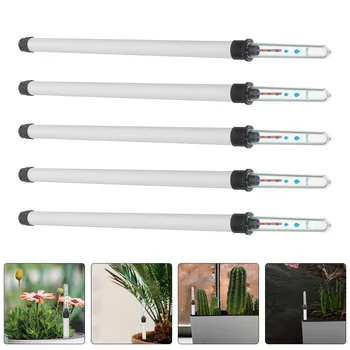
Testing your soil with a simple pH kit (available at garden centers) can save you from nutrient deficiencies. Adjust pH with lime (to raise) or sulfur (to lower) in increments of 0.5, re‑testing after 7 days.
Container Tips
- Choose pots with drainage holes; line with a mesh screen to prevent soil loss.
- For larger herbs like rosemary, use a minimum 12‑inch diameter container.
- Place containers on saucers to catch excess water and protect indoor flooring.
Step 3: Planting – Timing and Technique
Seed vs. Transplant
Data from the University of California Extension indicates a 75% higher germination rate for seedlings started indoors versus direct sowing for most herbs. Follow these timelines:
- Basil – Start seeds 6 weeks before the last frost; transplant when soil reaches 65 °F.
- Mint – Direct sow in early spring; it roots quickly and tolerates cooler temps.
- Rosemary – Purchase established seedlings; transplant after the danger of frost has passed.
- Thyme & Parsley – Sow seeds 4 weeks before the last frost; thin to 6‑inch spacing.
Planting Depth & Spacing
Plant seeds at a depth of ¼ inch; cover lightly with soil. Transplants should be set at the same depth they were in their original containers to avoid stem burial, which can cause rot.
Step 4: Watering – The Goldilocks Rule
Over‑watering is the #1 cause of herb failure (reported by 42% of novice gardeners). Follow these guidelines:
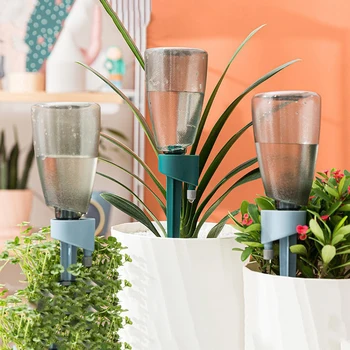
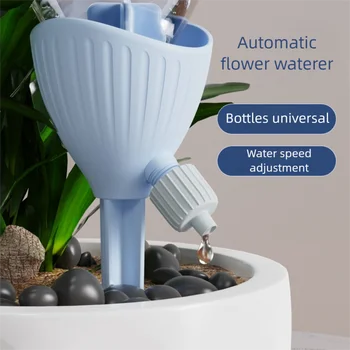
- Check soil moisture 2 inches below the surface; water only when it feels dry.
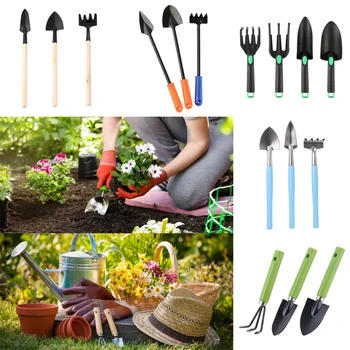
- Use a watering can with a narrow spout to direct water at the base, minimizing leaf wetness and fungal risk.
- During hot summer months, aim for 1 in of water per week; reduce to ½ in in cooler seasons.
Cold‑Month Hydration
Even in winter, herbs need moisture. Place containers on a tray of pebbles with a shallow water layer; as the water evaporates, it creates a humid micro‑environment that protects roots from freezing.
Step 5: Feeding – Nutrient Management
Herbs are light feeders, but a balanced fertilizer boosts flavor compounds. A 10‑10‑10 (N‑P‑K) fertilizer applied at half the recommended rate every 6 weeks works well. For organic lovers, a tea made from composted leaves (1 cup per gallon of water) provides micronutrients and improves soil structure.
Step 6: Pruning and Harvesting for Maximum Flavor
Pruning Schedule
- Basil – Pinch off the top 2 inches once the plant reaches 6 inches tall; encourages bushier growth.
- Mint – Trim regularly to prevent flowering, which reduces leaf flavor.
- Rosemary – Harvest 2‑inch stems after the plant is 12 inches tall; avoid cutting more than one‑third of the plant at once.
- Thyme & Parsley – Snip leaves just before the plant flowers for peak essential oil content.
Harvesting Tips
Harvest in the early morning after dew has dried but before the sun intensifies; this preserves volatile oils that give herbs their aroma. Use clean, sharp scissors to avoid crushing stems.
Step 7: Extending the Season – Indoor Growing for Cold Months
Choosing a Spot
South‑facing windows provide 6–8 hours of direct sunlight, ideal for most herbs. If natural light is insufficient, supplement with a full‑spectrum LED grow light set 12‑14 inches above the foliage, running 12‑hour cycles.
Temperature Management
Maintain indoor temperatures between 60–75 °F. For herbs like rosemary that tolerate cooler temps, a night‑time dip to 55 °F is acceptable, but avoid frost. Use a small space heater or a seedling heat mat if indoor temperatures fall below 55 °F.
Winter Protection Strategies
- Group containers together to create a micro‑climate that retains heat.
- Cover pots with a breathable frost cloth on particularly cold nights.
- Rotate plants weekly to ensure even light exposure.
Step 8: Pest and Disease Management
Data from the National Integrated Pest Management Center shows that integrated, low‑chemical approaches reduce herb loss by 30% compared to chemical sprays alone. Implement these tactics:
- Inspect weekly for aphids, spider mites, and whiteflies; hand‑remove or spray with a neem oil solution (1 tsp per quart of water).
- Improve airflow by spacing plants at least 6 inches apart and pruning dense foliage.
- Use companion planting – plant marigolds or nasturtiums nearby to deter pests naturally.
Step 9: Harvest Storage – Keep Herbs Fresh Longer
To enjoy fresh herbs even during cold months, store them properly:
- Wrap stems in a damp paper towel and place in a zip‑top bag in the refrigerator’s crisper drawer (ideal for basil, parsley, and cilantro).
- For woody herbs like rosemary and thyme, store in a glass of water at room temperature, covering the leaves loosely with a plastic bag.
- Freeze excess leaves in ice‑cube trays with a splash of water or olive oil for ready‑to‑use portions.
Step 10: Track Your Progress – A Simple Data Log
Keeping a garden journal helps you refine techniques over time. Record the following data points each week:
- Date of planting or transplanting
- Soil moisture level (dry, moist, wet)
- Temperature (ambient and soil)
- Fertilizer applications (type and amount)
- Harvest quantity (weight or number of stems)
- Observed pests or diseases
Analyzing this data after a season will reveal patterns—such as which watering schedule yields the most flavorful basil—allowing you to fine‑tune your herb garden for the next year.
Final Thoughts
By following these data‑backed steps, you’ll cultivate a resilient herb and aromatic garden that delivers fresh, vibrant flavors throughout the year. From selecting the right species for your climate to mastering indoor winter care, each actionable tip is designed to maximize growth, flavor, and convenience. Start small, track your results, and soon you’ll be enjoying home‑grown herbs even during the coldest months—transforming every meal into a garden‑fresh experience.