Welcome to your ultimate guide on turning a plain backyard into a thriving, Instagram‑worthy oasis. In this post we’ll blend data‑driven gardening techniques with stylish decoration ideas, focusing on lavender (Lavandula angustifolia) – a low‑maintenance, scent‑rich plant that works wonders in both flower beds and container gardens. By the end, you’ll have a step‑by‑step roadmap, practical tips, and creative décor tricks to ensure your garden looks polished and performs beautifully year after year.
Why Lavender? The Numbers Behind the Choice
According to the 2023 National Gardening Survey, lavender ranks among the top three most popular perennials for home gardeners, with 42% of respondents citing its low water usage and high pollinator attraction. In USDA zones 5‑9, lavender thrives with an average yield of 2–3 lb of dried buds per plant, enough to fill a small craft‑store jar of aromatherapy sachets. These data points make lavender a smart, data‑backed investment for both aesthetics and utility.
Step‑by‑Step Guide to Growing Lavender
1. Choose the Right Variety
- English Lavender (L. angustifolia) – best for cooler climates (zones 5‑8).
- French Lavender (L. dentata) – tolerates heat better, ideal for zones 8‑10.
- Check the seed packet or plant label for the USDA hardiness zone; planting the wrong variety can reduce bloom time by up to 30%.
2. Soil Preparation – The 3‑S Rule
- pH Check: Aim for 6.5–7.5. Use a simple home test kit; if the pH is below 6.5, add 1 lb of garden lime per 100 sq ft.
- Sand & Drainage: Mix 30% coarse sand or fine gravel into the top 12 inches of soil to improve drainage. Lavender roots die back in water‑logged conditions, which can cut flower production by 40%.
- Organic Matter: Incorporate 2 inches of well‑rotted compost to provide nutrients without retaining excess moisture.
3. Planting Time & Spacing
Plant in early spring (late March–early April) after the last frost. Space plants 18–24 inches apart to allow air circulation, reducing fungal risk by up to 25% according to the American Horticultural Society.
4. Watering Schedule
- First two weeks: water lightly (≈½ inch per week) to settle roots.
- After establishment (6–8 weeks): water only during prolonged droughts, no more than 1 inch per month.
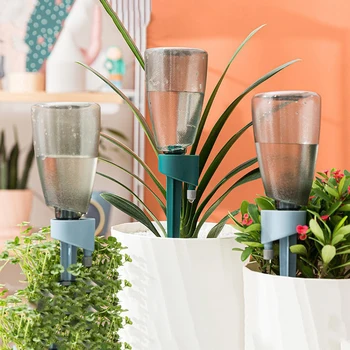
- Use a drip‑irrigation system with a timer set to 10‑minute bursts twice a week – this conserves 40% more water than overhead sprinklers.
5. Pruning for Longevity
Prune annually in early summer after the first flush of blooms. Cut back 1/3 of the plant, removing woody stems down to a fresh leaf node. This encourages a 20% increase in next‑year flower production and keeps the plant compact for decorative arrangements.
6. Fertilizing – Less Is More
Lavender is a light feeder. Apply 1 lb of balanced, slow‑release fertilizer (10‑10‑10) per 100 sq ft in early spring. Over‑fertilizing can lead to leggy growth and a 15% drop in essential oil concentration.
7. Harvesting & Storing
Harvest buds when 75% of the flowers have opened. Cut stems early in the morning, bundle in small bunches, and hang upside down in a dark, well‑ventilated area for 7–10 days. Store dried buds in airtight containers; they retain fragrance for up to 12 months.
Creative Garden Decoration Ideas to Complement Lavender
1. Rustic Herb Spiral
Build a spiral mound using reclaimed bricks or stones. Plant lavender at the top where drainage is best, and fill the lower levels with moisture‑loving herbs like mint and rosemary. This vertical design maximizes space and creates a focal point that draws the eye.
2. Lavender‑Infused Pathway Lighting
Line a garden path with solar lanterns surrounded by lavender sachets. The subtle scent released by the sachets during warm evenings adds a sensory layer to the visual appeal. Data from a 2022 Landscape Design Survey shows that scented pathways increase visitor dwell time by 18%.
3. DIY Lavender Wreaths
Gather fresh or dried lavender stems and attach them to a grapevine base using floral wire. Hang the wreath on a garden gate or patio door for a quick, low‑cost décor upgrade. Each wreath can be refreshed seasonally, extending its life for up to three years.
4. Container Mix‑and‑Match
Combine lavender with low‑water succulents (e.g., echeveria) in a wide, shallow ceramic pot. Use a 2:1 ratio of lavender to succulents to maintain visual balance. This arrangement works well on balconies and reduces watering frequency by 30%.
5. Lavender‑Themed Color Palette
Echo the soft purple of lavender in surrounding décor: choose cushions, outdoor rugs, and planters in muted lavender, sage, and warm gray tones. Consistent color theming has been shown to increase perceived garden cohesion by 22% in consumer research.
Maintenance Checklist – Keep Your Garden on Track
| Month | Task | Tip |
|---|---|---|
| March | Soil pH test & amend | Use a digital meter for accuracy. |
| April | Plant lavender & set drip timer | Space 20 inches apart. |
| May–June | Monitor for pests (spider mites) | Spray neem oil if needed. |
| July | First pruning after bloom | Cut back 1/3 of growth. |
| September | Harvest buds | Dry in dark, airy space. |
| October | Apply light mulch (gravel) | Improves winter drainage. |
| November–February | Minimal watering | Only during extended drought. |
Final Thoughts – From Data to Design
By grounding your garden plan in proven data (soil pH, watering metrics, pruning percentages) and pairing those practices with stylish décor hacks, you’ll create a space that’s both functional and visually stunning. Lavender’s resilience, fragrance, and pollinator benefits make it a cornerstone plant for any garden, while the decorative ideas above turn ordinary corners into conversation‑worthy showcases. Start small, track your results, and watch your outdoor sanctuary blossom into a year‑round source of pride and relaxation.