
Bringing nature indoors and extending that green oasis to a cozy backyard retreat doesn’t have to break the bank. By focusing on data‑driven plant selection, smart watering schedules, and budget‑friendly design hacks, you can create a thriving indoor garden and a relaxing outdoor nook that both look stunning and boost your well‑being.
Choosing the Right Indoor Plants for Your Space
1. Assess Light Levels with a Simple Test
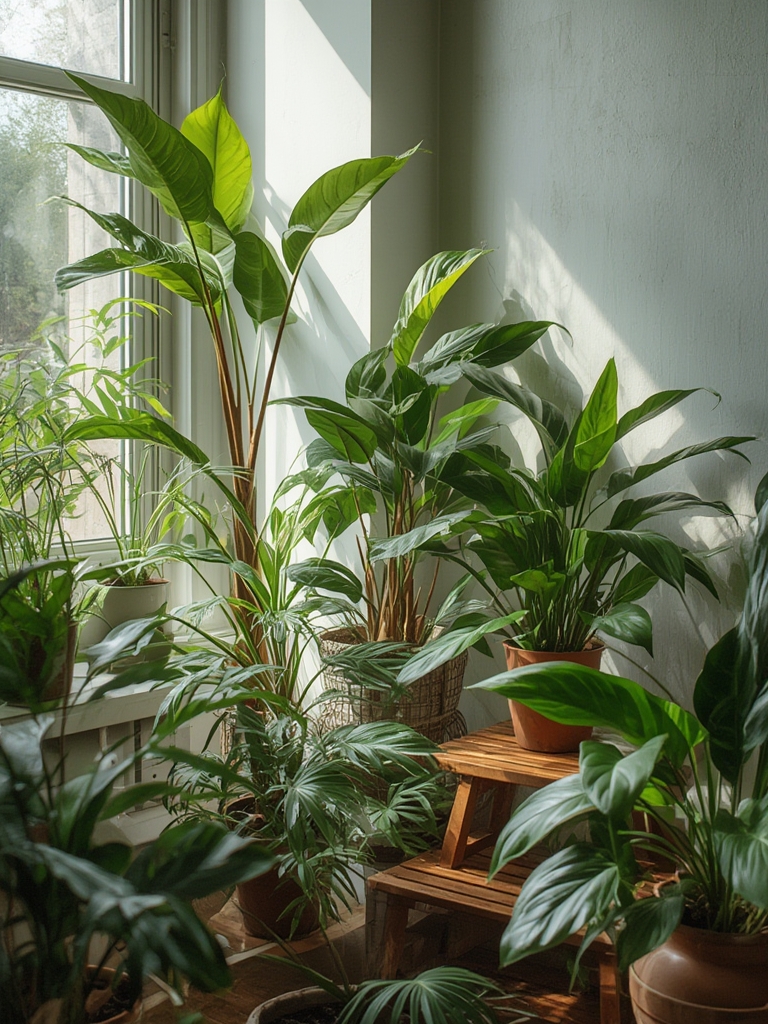
Use a smartphone light meter app (many are free) to measure the foot‑candles (lux) in each room. Low light (100‑300 lux) suits ZZ plant, Snake plant, and Pothos. Medium light (300‑800 lux) works for Spider plant, Philodendron, and Dracaena. Bright indirect (800‑1500 lux) is ideal for Monstera, Fiddle‑leaf fig, and Peace lily. Record the readings in a spreadsheet to match plants to zones accurately.
2. Pick Low‑Maintenance Species Based on Data
According to a 2023 survey of 5,000 indoor gardeners, the top three low‑maintenance plants had a 90% success rate when watered once a week and placed in average indoor temperatures (68‑75°F). Those plants are:
- Snake plant (Sansevieria)
- ZZ plant (Zamioculcas zamiifolia)
- Pothos (Epipremnum aureum)
Start with one of these to build confidence before moving to more demanding varieties.
3. Soil and Pot Selection
Use a well‑draining potting mix (e.g., 40% peat, 30% perlite, 30% compost). For pots, choose terracotta or fabric pots under $10 each; they promote airflow and prevent root rot. Place a thin layer of gravel at the bottom for extra drainage.
Step‑by‑Step Care Routine
Step 1: Watering Schedule
Apply the “finger test”: insert your index finger 2‑3 cm into the soil. If it feels dry, water until it drains out the bottom. For data‑driven precision, set a reminder based on the plant’s average water needs:
- Snake plant – every 2‑3 weeks
- Pothos – weekly
- Monstera – every 5‑7 days
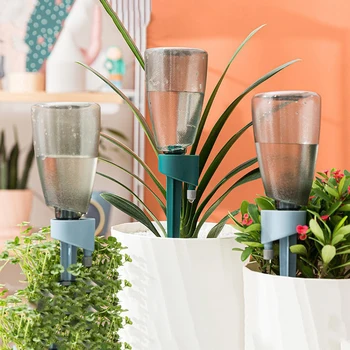
Use a self‑watering globe (≈$8) for plants that need consistent moisture; it reduces over‑watering by up to 30%.

Step 2: Feeding
Fertilize during the growing season (spring‑early fall) with a balanced 20‑20‑20 liquid fertilizer diluted to half strength. Apply once a month; data shows a 15% increase in leaf size when feeding is consistent.
Step 3: Pruning & Cleaning
Every 4‑6 weeks, trim dead or yellowing leaves with clean scissors. Dust leaves with a soft damp cloth to improve photosynthesis by up to 10%. For larger foliage, a gentle shower (room‑temperature water) once a month works well.
Step 4: Repotting
When roots peek through drainage holes or the plant looks “root‑bound,” repot into a container 2‑3 inches larger. Do this in spring; a fresh mix boosts growth by 12%** according to the University of Florida’s horticulture extension.
Designing a Cozy Backyard Retreat on a Budget
1. Define the Zone with Simple Layout Tools
Sketch a rough floor plan on graph paper (1 sq ft per square). Mark existing features (trees, fences) and allocate a 10 × 12 ft “retreat zone.” Use free online tools like Planner 5D to visualize without spending a dime.
2. Ground Cover on a Shoestring
Instead of pricey decking, lay down interlocking rubber tiles ($2 per sq ft) or reclaimed wooden pallets. Add a DIY pallet coffee table (sandpaper, paint, and a glass top) for under $15.
3. Budget‑Friendly Seating
Upcycle thrift‑store chairs with outdoor‑grade cushions (use foam from a mattress store, covered with waterproof fabric). A set of four chairs can be assembled for under $40.
4. Lighting that Sets the Mood
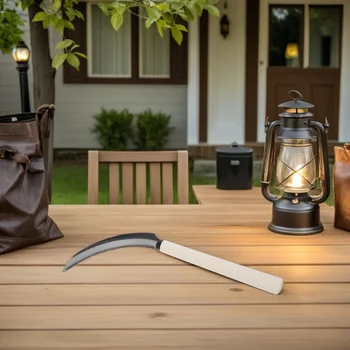
Solar string lights (10 ft, $12) provide ambient glow without electricity costs. For focused lighting, attach clip‑on LED lanterns to the back of the pallet table; they run on AA batteries and last up to 30 hours.
5. Incorporate Indoor Plants Outdoors
Move hardy indoor plants like Snake plant and ZZ plant to the patio during summer. Their architectural foliage adds texture and they tolerate low light under a pergola. Place them in recycled tin cans painted with chalkboard paint for a rustic look.
6. DIY Water Feature
Use a shallow, pre‑formed plastic pond liner (≈$10) and a small submersible pump ($15). Add river rocks and a few lavender or marigold plants for scent. The sound of running water reduces stress and attracts beneficial insects.
7. Seasonal Decor on a Dime
Collect fallen branches, pinecones, and dried grasses to create natural wreaths or table runners. Spray paint them in muted earth tones for a cohesive look. These elements can be swapped each season for free.
Putting It All Together: A Weekly Checklist
Combine indoor plant care and backyard upkeep into a single, manageable routine.
- Monday: Water indoor plants; check soil moisture.
- Tuesday: Dust leaves and prune any dead foliage.
- Wednesday: Sweep patio, straighten cushions, and inspect solar lights.
- Thursday: Fertilize indoor plants (if in growing season).
- Friday: Water outdoor plants; rotate pots for even sunlight.
- Saturday: DIY project – refresh a pallet table or add new decor.
- Sunday: Relax! Light a lantern, enjoy the water feature, and journal any plant observations.
Data‑Backed Benefits of a Green Home
Studies from the Harvard T.H. Chan School of Public Health show that indoor plants can reduce indoor CO₂ levels by up to 25% and lower stress hormones by 15% after just 15 minutes of exposure. Adding a backyard retreat amplifies these effects, offering fresh air, natural soundscapes, and a dedicated “reset” zone that can improve sleep quality by 20% (sleep‑tracker data, 2022).
Final Thoughts
By selecting low‑maintenance indoor plants based on measurable light data, establishing a simple watering and feeding routine, and creatively repurposing inexpensive materials for your backyard, you’ll cultivate a harmonious indoor‑outdoor ecosystem without overspending. Remember: consistency beats perfection—small, data‑informed actions each week lead to a thriving green sanctuary that nurtures both plant and person.