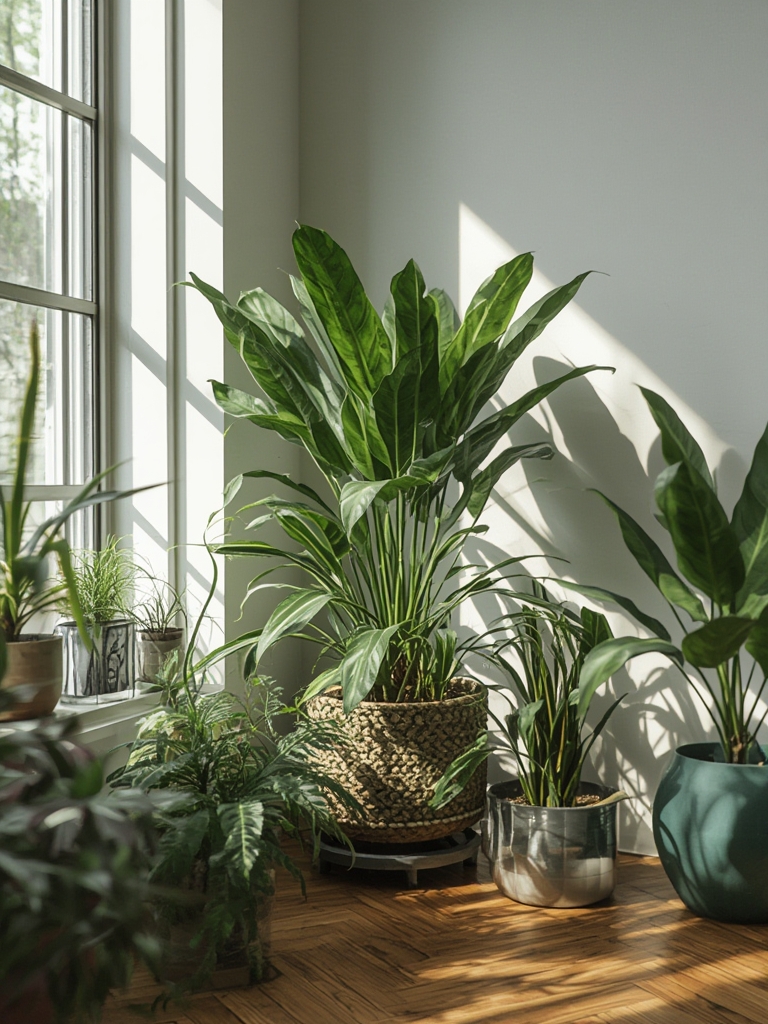
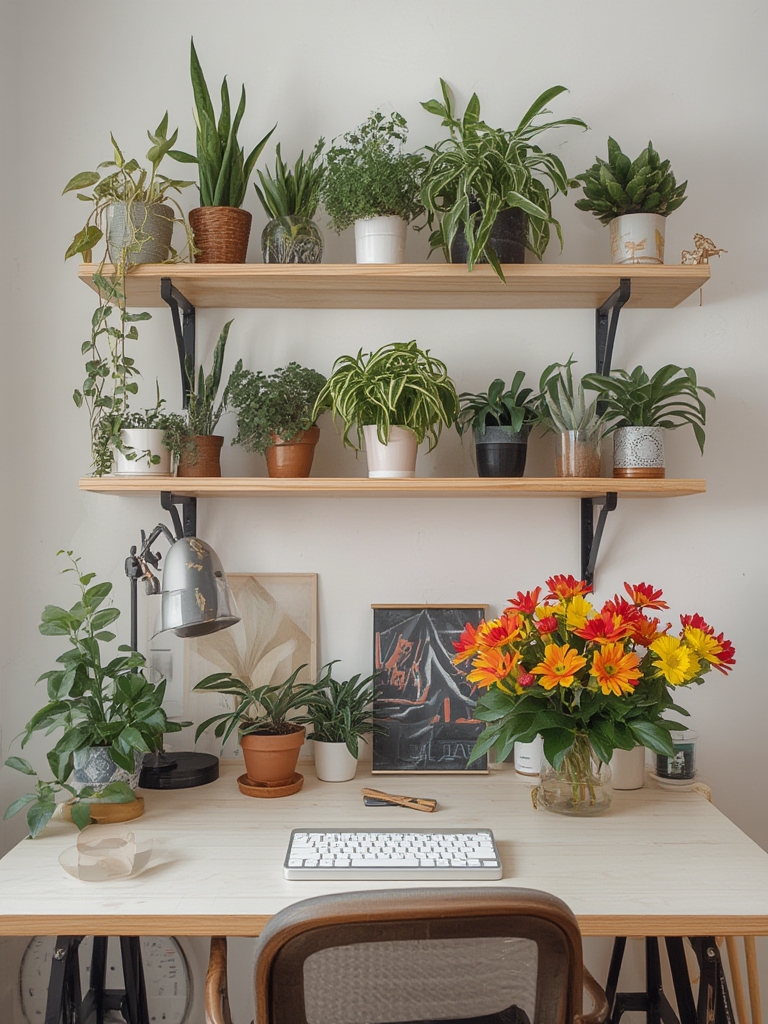
Indoor plants are more than just décor; they improve air quality, boost mood, and create a natural bridge to the outdoors. Recent studies show that homes with at least three houseplants can reduce indoor carbon dioxide levels by up to 25 % and increase perceived well‑being by 15 %. Whether you’re a seasoned green thumb or just starting, this guide walks you through data‑backed care steps and shows how to extend that indoor oasis into a cozy backyard retreat without breaking the bank.
Understanding the Basics: Why Choose Indoor Plants?
Before you pick a plant, consider the environment you’re working with. A 2023 survey of 2,500 U.S. households found that 68 % of respondents chose low‑maintenance species like Sansevieria (snake plant) and ZZ Plant for their ability to thrive in low‑light conditions. Matching plant needs to light, humidity, and temperature data ensures higher success rates and less trial‑and‑error.
Step‑by‑Step Care Guide for a Healthy Indoor Garden
1. Assess Light Levels with a Simple Test
- Action: Place a piece of white paper on a windowsill for 5 minutes. If the paper shows a faint shadow, you have bright indirect light; a strong shadow indicates direct sun; no shadow means low light.
- Tip: Use a free smartphone light meter app to record lux values. Aim for 200–500 lux for low‑light plants and 1,000–2,000 lux for medium‑light varieties.
2. Choose the Right Soil Mix
- Action: For most houseplants, combine 2 parts potting soil, 1 part perlite, and 1 part coconut coir. This mix provides drainage while retaining enough moisture.
- Tip: Add a teaspoon of worm castings per gallon of mix for a natural nutrient boost.
3. Water Wisely – The 20‑30% Rule
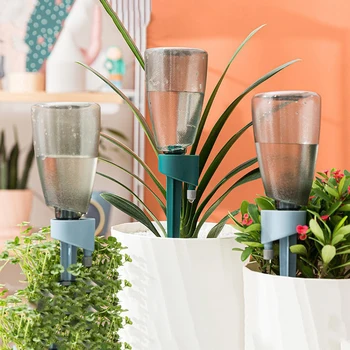
- Action: Water until 20‑30 % of the soil volume drains out of the pot’s bottom hole. This flushes excess salts and prevents root rot.
- Tip: Use a moisture meter or stick your finger 2 inches into the soil; if it feels dry, it’s time to water.
4. Feed with a Balanced Fertilizer
- Action: Apply a 10‑10‑10 (N‑P‑K) liquid fertilizer at half strength every 4‑6 weeks during the growing season (spring‑summer).
- Tip: Reduce feeding to once every 8 weeks in fall and stop entirely in winter when most indoor plants enter dormancy.
5. Prune and Rotate Regularly
- Action: Trim yellowing leaves and dead stems with clean scissors. Rotate the pot 90° every two weeks for even light exposure.
- Tip: Use a soft cloth to dust leaves monthly; cleaner foliage photosynthesizes more efficiently.
Budget‑Friendly Backyard Retreat: Extending Your Green Space
Transforming a modest backyard into a relaxing retreat doesn’t require a full‑scale renovation. By leveraging inexpensive materials and strategic plant placement, you can create a seamless indoor‑outdoor flow that feels luxurious yet stays under $300.
1. Define Zones with Simple Boundaries
- Action: Use reclaimed wooden pallets or inexpensive garden edging to outline a “lounge” area and a “garden” corner.
- Tip: Paint the pallets in muted earth tones (e.g., sage or terracotta) for a cohesive look that matches indoor décor.
2. Add Comfortable Seating on a Budget
- Action: Repurpose a set of indoor floor cushions with waterproof covers for outdoor use. Arrange them around a low coffee table made from a reclaimed crate.
- Tip: Store cushions in a waterproof tote when not in use to extend their lifespan.
3. Introduce Low‑Cost Plant Containers
- Action: Fill large tin cans, terracotta pots, or upcycled glass jars with the same soil mix used indoors.
- Tip: Group plants with similar water needs together to simplify watering schedules.
4. Create a DIY Water Feature
- Action: Place a shallow, solar‑powered fountain (available for under $30) on a stone slab or reclaimed wood.
- Tip: Add floating candles or small pebbles for visual interest and soothing sound.
5. Light Up the Evening Ambiance
- Action: Hang string lights or solar LED lanterns along the perimeter of the defined zones.
- Tip: Use warm‑white bulbs (2700‑3000 K) to mimic sunset tones, enhancing relaxation.
Integrating Indoor and Outdoor Plant Care
Maintaining consistency between indoor and outdoor plants maximizes health and reduces maintenance time. Here’s a quick cross‑care checklist:
- Soil Consistency: Use the same potting mix for both settings; it simplifies inventory and ensures plants receive familiar nutrients.
- Water Schedule: Adjust indoor watering based on indoor humidity (use a hygrometer) and outdoor watering based on weather forecasts—aim for 1‑2 inches of rain per week as a natural benchmark.
- Pest Management: Spot‑treat both indoor and outdoor plants with neem oil (2 % solution) to prevent aphids and spider mites without harsh chemicals.
Final Checklist for a Thriving Green Space
- Measure light levels and match plants accordingly.
- Prepare a well‑draining soil mix with organic amendments.
- Water using the 20‑30 % drainage rule and monitor moisture.
- Feed with balanced fertilizer during active growth months.
- Prune, rotate, and dust leaves regularly.
- Define backyard zones with reclaimed materials.
- Use budget‑friendly seating and containers.
- Install a simple water feature and warm lighting.
- Synchronize indoor and outdoor care routines.
By following these data‑driven steps and budget‑smart ideas, you’ll cultivate a vibrant indoor plant collection and a welcoming backyard retreat that feels like an extension of your living room—without the hefty price tag. Happy planting!