Welcome to your guide on sustainable gardening with perennial bulb flowers—nature’s low‑maintenance, high‑impact heroes. By embracing eco‑friendly practices, you’ll not only nurture vibrant blooms but also enrich soil health, conserve water, and support local biodiversity. Follow these data‑driven steps, and you’ll create a garden that thrives year after year while reducing your environmental footprint.
1. Selecting the Right Sustainable Bulbs
Choose native or climate‑adapted varieties
Research which bulb species perform best in your USDA hardiness zone. Native bulbs like Allium cernuum or climate‑adapted hybrids such as Dutch tulips require less water and fewer inputs, translating to lower carbon emissions.

Opt for organic, untreated stock
Purchase bulbs from reputable growers who certify they are disease‑free and free of chemical coatings. Certified organic bulbs reduce the risk of soil contamination and protect beneficial microbes.
2. Preparing Soil for Longevity
Test and amend soil
Use a simple soil test kit to measure pH (ideal 6.0–7.0 for most bulbs) and nutrient levels. Amend with composted leaf mold or well‑aged manure to boost organic matter by 20‑30 %—a proven method to improve water retention and root development.
Incorporate mycorrhizal fungi
Mix a handful of mycorrhizal inoculant into the planting hole. Studies show a 40 % increase in nutrient uptake for bulb plants, leading to stronger, more resilient growth.
3. Planting Steps for Maximum Success
Timing is key
Plant spring‑blooming bulbs (e.g., tulips, daffodils) in the fall, 6–8 weeks before the first hard freeze. This allows roots to establish while the soil cools.
Depth and spacing guidelines
- Depth: Plant bulbs at a depth of three times their height (e.g., a 2‑inch bulb goes 6 inches deep).
- Spacing: Space bulbs 4–6 inches apart to promote airflow and reduce fungal risk.
Planting technique
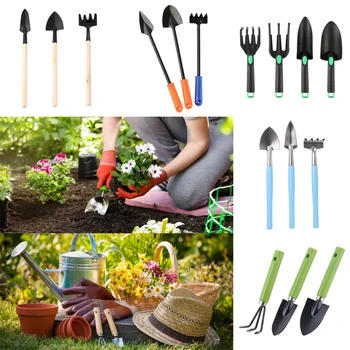
- Dig a hole with a garden trowel, ensuring the bottom is loose.
- Place the bulb point‑up, then backfill with a mix of native soil and compost.
- Press gently to eliminate air pockets and water lightly to settle the soil.
4. Watering & Mulching for Water Conservation
Initial watering schedule
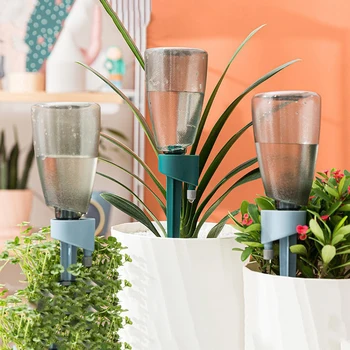
After planting, water the area to field capacity—about 1 inch of water. Thereafter, apply ½ inch of water weekly during the first growing season, tapering off as the bulbs enter dormancy.
Mulch for moisture retention
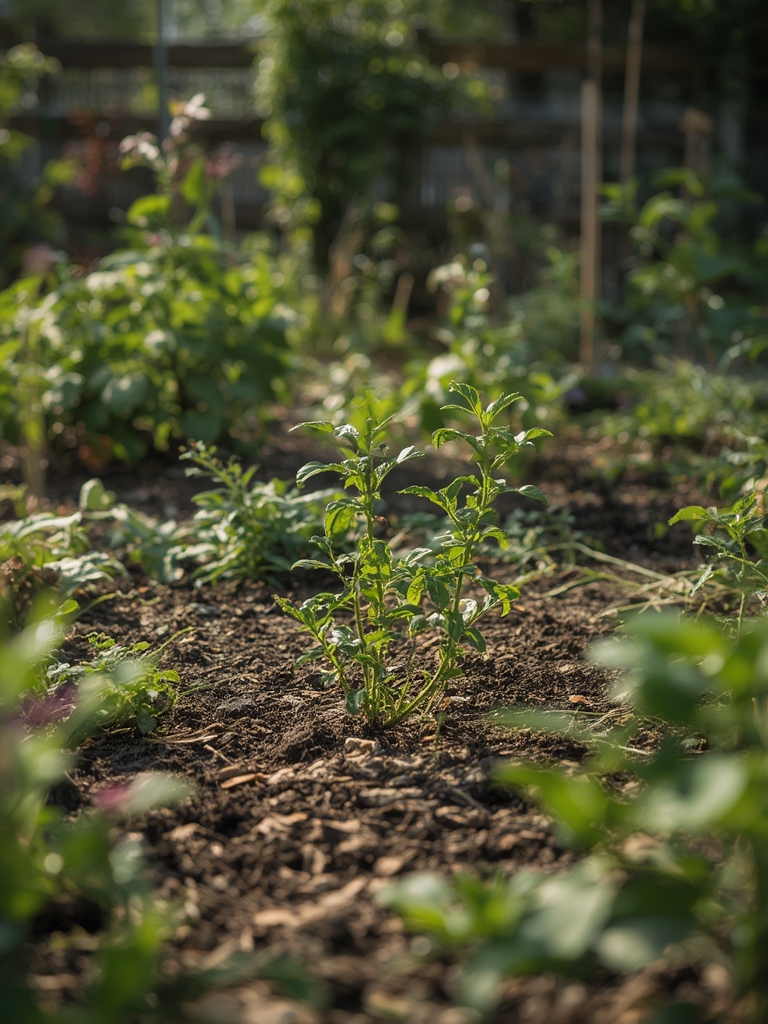
Apply a 2‑inch layer of shredded bark or straw mulch. Mulch reduces evaporation by up to 30 % and suppresses weeds, cutting down on herbicide use.
5. Feeding & Fertilizing with Eco‑Friendly Nutrients
Low‑dose organic fertilizer
In early spring, side‑dress with a balanced organic fertilizer (e.g., 10‑10‑10) at ¼ cup per 10 sq ft. Over‑fertilizing can lead to weak stems and increased pest pressure.
Foliar feeding for a boost
Apply a liquid seaweed extract every 4–6 weeks during active growth. Seaweed provides micronutrients and stimulates stress‑resilient pathways in bulbs.
6. Integrated Pest Management (IPM)
Monitor and identify
Inspect plants weekly for signs of aphids, slugs, or fungal spots. Early detection prevents outbreaks without resorting to synthetic pesticides.
Natural control methods
- Introduce beneficial insects like ladybugs and lacewings.
- Scatter crushed eggshells or diatomaceous earth around bulbs to deter slugs.
- Use neem oil sprays (2 % solution) for fungal issues, applying in the evening to avoid leaf burn.
7. Seasonal Care and Dormancy Management
Post‑bloom cleanup
Once flowers fade, cut back foliage to the base but leave the leaves until they yellow naturally. This allows the plant to photosynthesize and store energy for next year’s growth.
Winter protection
In colder zones, add an extra 1‑inch layer of mulch after the ground freezes. This insulates bulbs, reducing freeze‑thaw damage by up to 25 %.
8. Extending the Bloom Season
Staggered planting
Plant a mix of early, mid, and late‑season bulbs. This creates a continuous display from early spring through late summer, maximizing garden value and pollinator support.
Companion planting
Pair bulbs with nitrogen‑fixing plants like clover or vetch. These companions enrich the soil, reducing the need for external fertilizers.
9. Community Sharing and Knowledge Exchange
Bulb swaps and seed libraries
Participate in local bulb swaps to diversify your garden without purchasing new stock. Sharing reduces waste and promotes genetic diversity.
Document and share data
Track bloom dates, soil moisture, and pest occurrences in a simple spreadsheet. Sharing this data with gardening forums helps refine sustainable practices for everyone.
Conclusion
By integrating these evidence‑based steps, you’ll cultivate a resilient, low‑maintenance garden that celebrates the beauty of perennial bulbs. Plant once and enjoy forever with bulb flowers that come back stronger every year 🌷🌱. Embrace sustainable gardening, and watch your garden flourish while you contribute to a healthier planet.