Herbs and aromatic plants are the unsung heroes of any garden, offering not only culinary delights and therapeutic benefits but also a palette of textures, scents, and colors that can transform a simple plot into a living work of art. By blending data‑driven gardening practices with creative design, you can cultivate a thriving herb garden that looks as good as it smells. Below is a step‑by‑step guide, packed with practical tips, tricks, and actionable advice to help you grow, care for, and style your aromatic garden for maximum success.
📊 1. Planning with Data: Site Selection & Soil Analysis
Assess Sunlight Exposure
- Most culinary herbs (basil, thyme, rosemary, oregano) need 6–8 hours of direct sunlight daily. Use a light meter or a simple smartphone app to log sunlight intensity for a week.
- Shade‑tolerant aromatics like mint, lemon balm, and chives thrive in 3–5 hours of filtered light.
Test Soil pH & Texture
- Collect soil samples from 6‑12 inches deep at three points in your garden.
- Send them to a local extension service or use a DIY kit. Ideal pH ranges:
- 6.0–7.0 for most herbs.
- 6.5–7.5 for rosemary and lavender.
- If pH is off, amend with elemental sulfur (to lower) or lime (to raise) at the recommended rate.
Soil Structure & Drainage
Herbs dislike waterlogged roots. Conduct a simple drainage test: dig a 12‑inch hole, fill with water, and note how long it takes to drain. If it takes more than 30 minutes, improve drainage by mixing in coarse sand or perlite (1:3 ratio) and organic compost.
🌱 2. Selecting the Right Herbs & Aromatics
Core Culinary Herbs
- Basil (Ocimum basilicum) – Warm season, prefers 70‑85°F.
- Thyme (Thymus vulgaris) – Drought‑tolerant, thrives in full sun.
- Rosemary (Rosmarinus officinalis) – Needs well‑drained soil, tolerates mild frost.
- Oregano (Origanum vulgare) – Spreads quickly; prune to control.
Aromatic Accent Plants
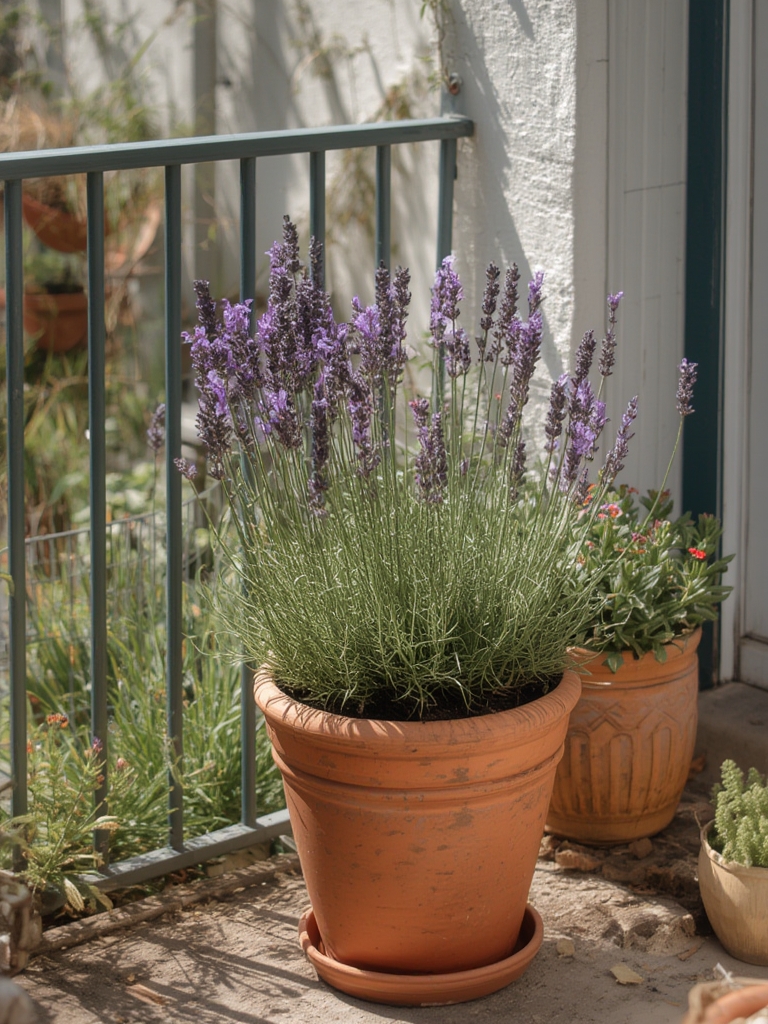
- Lavender (Lavandula angustifolia) – Adds silvery foliage and purple blooms.
- Mint (Mentha × piperita) – Best contained in a pot to prevent invasiveness.
- Lemon Balm (Melissa officinalis) – Light citrus scent, attracts pollinators.
- Chamomile (Matricaria chamomilla) – Delicate white flowers, soothing tea.
🛠️ 3. Planting Techniques & Spacing
Seed vs. Transplant
For faster results, start with transplants from reputable nurseries. If you prefer seeds, sow indoors 6‑8 weeks before the last frost, using a seed‑starting mix with a germination temperature of 68‑72°F.
Spacing Guidelines
- Basil: 12‑18 inches apart.
- Thyme & Oregano: 8‑12 inches apart (they form low mats).
- Rosemary & Lavender: 24‑30 inches apart for airflow.
- Mint (in pot): 12 inches diameter container.
Planting Depth & Watering
Plant at the same depth as the nursery pot. Water thoroughly after planting, then set a watering schedule based on soil moisture: 1‑2 inches per week for most herbs, less for drought‑tolerant varieties.
💧 4. Ongoing Care & Maintenance
Water Management
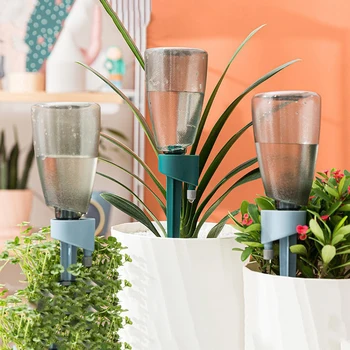
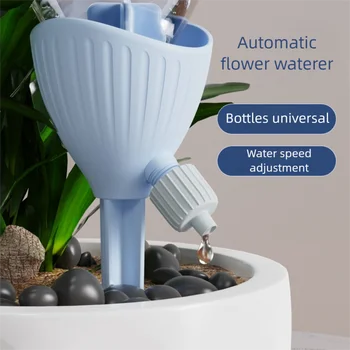
- Use a soaker hose or drip irrigation to deliver water directly to the root zone, reducing leaf wetness and fungal risk.
- Apply a mulch layer (2‑3 inches) of straw, shredded bark, or pine needles to retain moisture and suppress weeds.
Fertilization
Herbs are light feeders. Apply a balanced, slow‑release fertilizer (10‑10‑10) at ¼ strength once in early spring and again after the first harvest. Alternatively, incorporate compost tea monthly for a gentle nutrient boost.
Pruning & Harvesting
- Harvest leaves in the morning after dew dries for peak flavor.
- Pinch back basil regularly to encourage bushier growth and prevent bolting.
- Trim rosemary and thyme after flowering to maintain shape.
- Divide mint and oregano every 2‑3 years to rejuvenate vigor.
Pest & Disease Management
Monitor for aphids, spider mites, and whiteflies. Use insecticidal soap or neem oil at the first sign of infestation. For fungal issues, improve airflow and avoid overhead watering; apply a copper‑based fungicide if needed.
🎨 5. Creating Stunning Garden Color Palettes Inspired by Natural Landscapes 🌿🎨
Palette 1: Mediterranean Sunset
- Lavender – Soft purple blooms.
- Rosemary – Silvery‑green foliage.
- Oregano – Deep green leaves.
- Accents: Terracotta pots and golden gravel pathways.
Palette 2: Alpine Meadow
- Chamomile – White daisy‑like flowers.
- Thyme – Low, mossy green carpet.
- Mint (contained) – Light green, aromatic foliage.
- Accents: Stone stepping stones and light‑gray slate mulch.
Palette 3: Forest Understory
- Lemon Balm – Lemon‑yellow foliage.
- Basil – Rich, glossy green leaves.
- Wild Sage (Salvia officinalis) – Silvery‑blue leaves.
- Accents: Dark wood edging and rich, loamy compost mulch.
Implementation Tips
- Group plants with similar water needs together to simplify irrigation.
- Use contrasting foliage textures (e.g., fine thyme vs. broad basil leaves) for visual depth.
- Incorporate seasonal blooms—plant annuals like marigold around the perimeter for a pop of color in summer.
- Install a small water feature or reflective stones to mimic natural water sources, enhancing the sensory experience.
📅 6. Seasonal Calendar & Quick Checklist
| Season | Tasks |
|---|---|
| Early Spring |
|
| Late Spring |
|
| Summer |
|
| Fall |
|
| Winter |
|
🚀 7. Quick Actionable Takeaways
- Measure sunlight and pH before planting – data saves time.
- Use drip irrigation and mulch to cut water use by up to 30%.
- Harvest in the morning for peak flavor and aroma.
- Contain invasive herbs like mint in pots to protect garden balance.
- Choose a color palette that mirrors a natural landscape for a cohesive, Instagram‑ready garden.
By blending scientific planting practices with artistic design, your herb and aromatic garden will not only supply fresh flavors for the kitchen but also become a fragrant, colorful sanctuary that delights the senses year after year.