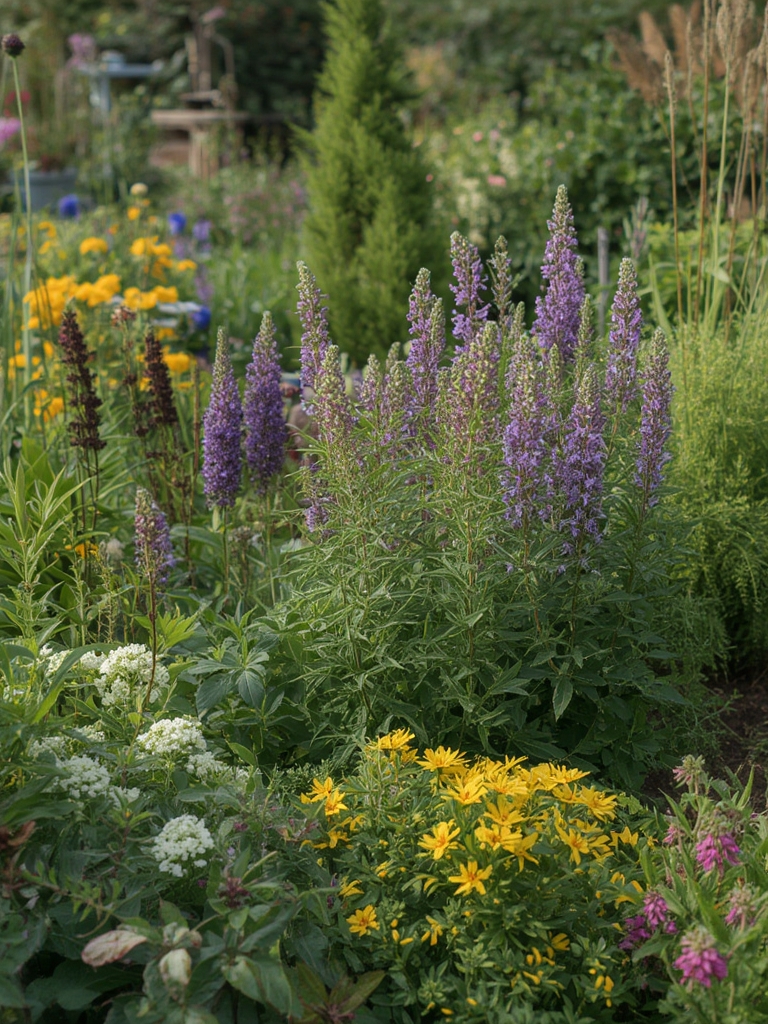
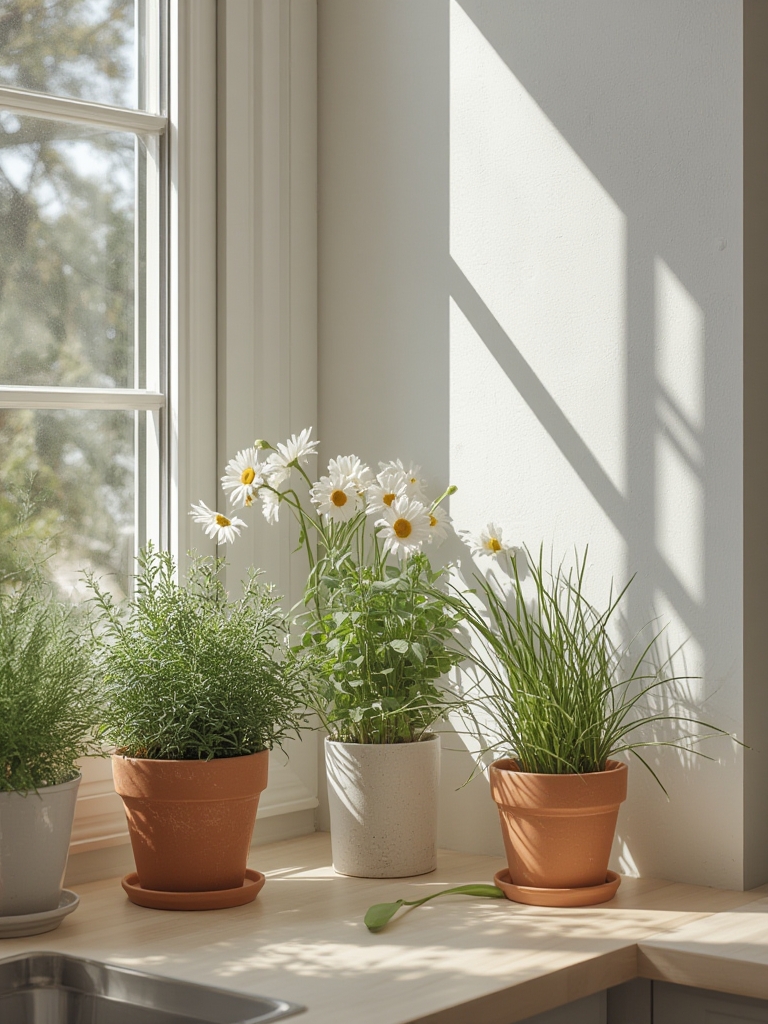
Creating a thriving herbs and aromatic garden is both a sensory delight and a smart, sustainable way to enhance your kitchen and outdoor space. By selecting the right perennials, planning for year‑round interest, and following data‑backed cultivation practices, you can enjoy fresh flavors, soothing aromas, and a beautiful garden that looks attractive in every season 🌿❄️🌸. Below is a step‑by‑step guide that blends horticultural science with practical, actionable tips to help you grow a resilient, low‑maintenance herb oasis.
1. Site Selection and Soil Preparation
Assess Sunlight and Microclimate
- Data point: Most culinary herbs need 6–8 hours of direct sunlight for optimal essential oil production (University of Illinois Extension, 2022).
- Observe the garden area for at least a week, noting sun exposure from sunrise to sunset. Choose a spot that receives full sun for the majority of the day, but consider a partially shaded corner for shade‑tolerant herbs like mint and chives.
- Tip: Use a simple smartphone app (e.g., Sun Seeker) to map sun paths and avoid areas with afternoon heat spikes that can scorch delicate foliage.
Test and Amend Soil
- Take a soil sample (≈½ cup) from 6–8 inches deep and send it to a local extension service or use a home test kit.
- Ideal pH for most herbs: 6.0–7.0. If the pH is outside this range, amend with lime (to raise) or elemental sulfur (to lower) according to the kit’s recommendations.
- Incorporate 2–3 inches of well‑rotted compost or aged manure to improve organic matter, drainage, and microbial activity—key factors for strong root development.
- Practical tip: Mix a handful of crushed eggshells into the soil to add calcium and deter slugs, a common herb pest.
2. Choosing Perennial Herbs for Year‑Round Appeal
Perennial herbs return each year, reducing replanting effort and providing continuous visual and culinary interest. Below is a curated list, grouped by season, with brief notes on their aesthetic and aromatic contributions.
Spring‑Blooming Perennials
- Lavender (Lavandula angustifolia) – Silvery foliage and spikes of purple flowers attract pollinators and release calming fragrance.
- Rosemary (Rosmarinus officinalis) – Evergreen, needle‑like leaves with occasional blue‑purple blooms; excellent for grilling and potpourri.
- Chives (Allium schoenoprasum) – Grass‑like leaves and edible purple globes that appear in late spring.
Summer‑Highlight Perennials
- Thyme (Thymus vulgaris) – Low‑growing mat with tiny, aromatic leaves; produces pink or white flowers that attract bees.
- Oregano (Origanum vulgare) – Spreads quickly, offering robust flavor and summer‑time purple flower clusters.
- Mint (Mentha × piperita) – Vigorous, aromatic foliage; plant in a container to prevent invasive spreading.
Fall‑Color Perennials
- Sage (Salvia officinalis) – Soft, gray‑green leaves that turn bronze in autumn; fragrant and culinary versatile.
- Winter Savory (Satureja montana) – Evergreen with small white flowers; retains flavor through cooler months.
Winter‑Resilient Perennials
- Winter Thyme (Thymus serpyllum) – Low, mat‑forming habit that stays green under light snow, providing structure.
- Bay Laurel (Laurus nobilis) – Evergreen shrub with glossy leaves; its aromatic leaves are harvested year‑round.
3. Planting Techniques for Success
Spacing and Layout
- Follow recommended spacing: 12–18 inches for rosemary, 8–12 inches for thyme, 6–10 inches for mint (in containers). Proper spacing improves air circulation, reducing fungal disease risk.
- Design a “seasonal flow” layout: place early‑season herbs at the front, mid‑season in the middle, and late‑season/evergreen at the back. This creates visual interest and easy access for harvesting.
- Tip: Use raised beds or a well‑draining mulch layer (e.g., straw or pine bark) to prevent waterlogging, especially for Mediterranean herbs that dislike soggy roots.
Planting Depth and Watering
- Plant each herb at the same depth it was in its nursery pot; for bare‑root plants, keep the root crown just below the soil surface.
- Water thoroughly after planting (≈1 inch of water) to settle soil and eliminate air pockets.
- Implement a drip‑irrigation system with a timer set to 2–3 times per week (adjust based on rainfall). Consistent, deep watering encourages deep root growth.
4. Ongoing Care and Maintenance
Pruning and Harvesting
- Prune herbs regularly to promote bushier growth. For rosemary and sage, trim back 1/3 of the plant after flowering.
- Harvest leaves in the morning after dew has dried for maximum essential oil content.
- Actionable tip: Pinch off the top 2–3 inches of thyme and oregano every 4–6 weeks to prevent legginess and stimulate new shoots.
Pest and Disease Management
- Common pests: aphids, spider mites, and whiteflies. Use a mild neem oil spray (1 tsp per quart of water) weekly during an infestation.
- Fungal issues (e.g., powdery mildew) thrive in high humidity. Ensure good spacing, avoid overhead watering, and apply a dusting of powdered sulfur if needed.
- Data‑driven insight: Integrated Pest Management (IPM) reduces pesticide use by up to 40% while maintaining plant health (EPA, 2021).
Seasonal Adjustments
- Spring: Apply a balanced organic fertilizer (10‑10‑10) at a rate of 1 lb per 100 sq ft to boost early growth.
- Summer: Mulch with 2 inches of shredded bark to retain moisture and keep roots cool.
- Fall: Cut back perennials to about 4 inches above ground, then cover with a light frost blanket for tender varieties.
- Winter: In colder zones (USDA zones 5–6), add a layer of straw mulch over rosemary and lavender to protect roots from freeze‑thaw cycles.
5. Harvesting, Storing, and Using Your Herbs
Fresh Use
- Snip leaves just before the plant flowers for peak flavor. For example, basil (if you add it as an annual) is most aromatic just before bud formation.
- Combine fresh herbs with olive oil for a quick, preservative‑free sauce that can be stored in the refrigerator for up to a week.
Drying and Storing
- Hang small bundles upside down in a dark, well‑ventilated area for 1–2 weeks. Once crisp, crumble leaves and store in airtight glass jars away from light.
- Data point: Properly dried rosemary retains up to 70% of its essential oil content, compared to only 30% when dried in direct sunlight.
- Tip: Label jars with the herb name and date of drying to track freshness.
6. Measuring Success – Simple Metrics to Track
- Yield per square foot: Count the number of harvestable leaves or stems over a month and divide by the planting area. Aim for at least 0.5 lb/ft² for high‑performing herbs like mint.
- Seasonal visual appeal: Take monthly photos and note color changes. Use a free photo‑analysis app to track the percentage of green versus flower coverage.
- Soil health: Perform a quick soil test every spring (pH, organic matter). Maintaining pH 6.5–7.0 and organic matter >3% correlates with robust herb growth.
By following these data‑driven steps and incorporating the practical tips provided, you’ll cultivate a herb and aromatic garden that not only delights the senses but also delivers consistent culinary and therapeutic benefits throughout the year. Happy planting!