Creating a thriving herb and aromatic garden is both an art and a science. By blending data‑driven decisions with seasonal planting strategies, you can enjoy fresh flavors, soothing scents, and visual interest all year long. Below is a step‑by‑step guide that walks you through site selection, soil preparation, planting, and ongoing care, with a focus on perennials that stay attractive through every season 🌿❄️🌸.
1. Choose the Right Location and Light Conditions
Assess Sun Exposure
- Most culinary herbs need 6–8 hours of direct sunlight daily. Use a sunlight meter or a simple smartphone app to log the average sun hours over a week.
- For aromatic perennials like lavender or sage, aim for full sun (≥ 7 h). Shade‑tolerant herbs such as mint and chives can handle 3–4 h of filtered light.
Check Soil Drainage
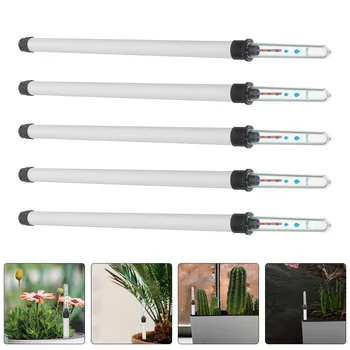
- Perform a “percolation test”: dig a 12‑inch hole, fill with water, and time how long it takes to drain. Ideal drainage is 30–60 minutes.
- If drainage is slow, amend the soil with 1 part coarse sand and 1 part compost per cubic foot of native soil.
2. Prepare a Data‑Driven Soil Mix
pH and Nutrient Balance
Most herbs thrive in a slightly alkaline to neutral range (pH 6.5–7.5). Use a garden pH kit to test your soil, then adjust as follows:
- pH < 6.5: Add garden lime at 5 lb per 100 sq ft.
- pH > 7.5: Incorporate elemental sulfur at 3 lb per 100 sq ft.
For nutrients, a balanced organic fertilizer (10‑10‑10) applied at 1 lb per 100 sq ft in early spring provides a solid start.
Soil Composition
Blend the following for optimal texture:
- 40 % native topsoil
- 30 % compost (well‑decomposed)
- 20 % coarse sand or perlite (improves aeration)
- 10 % aged hardwood ash (adds potassium and raises pH slightly)
Mix thoroughly and let the bed settle for 48 hours before planting.
3. Select Seasonal Perennial Herbs
Spring‑Blooming & Early‑Season Harvest
- Chives (Allium schoenoprasum) – bright green foliage, purple flowers in late spring.
- Parsley (Petroselinum crispum) – deep‑green leaves, bolsters early summer dishes.
- Thyme (Thymus vulgaris) – low‑mounding, aromatic leaves, tiny pink flowers.
Summer‑Long Fragrance & Harvest
- Lavender (Lavandula angustifolia) – silvery foliage, purple spikes, excellent for drying.
- Rosemary (Salvia rosmarinus) – woody stems, needle‑like leaves, thrives in heat.
- Oregano (Origanum vulgare) – spreading habit, deep aroma, attracts pollinators.
Fall‑Color & Winter Interest
- Sage (Salvia officinalis) – gray‑green leaves, soft yellow flowers, retains foliage in mild winters.
- Winter savory (Satureja montana) – evergreen, peppery flavor, small white blooms.
- Mint (Mentha × piperita) – vigorous, aromatic, provides ground cover even under snow.
4. Planting Steps with Actionable Tips
Spacing and Layout
- Space low‑growers (thyme, chives) 8–12 in apart; medium (rosemary, sage) 18–24 in; large (lavender) 24–30 in.
- Create a “seasonal ring”: plant early‑season herbs at the front, midsummer in the middle, and winter‑hardy perennials at the back for visual depth.
Planting Depth and Watering
- Dig a hole twice as wide as the root ball but no deeper. Gently loosen roots before placing.
- Backfill with the prepared soil mix, firm lightly, and water to settle the soil. Initial watering should deliver 0.5 in of water (use a rain gauge or graduated container).
Mulching for Moisture Retention
Apply a 2‑inch layer of organic mulch (shredded bark, straw, or pine needles). Mulch reduces evaporation by up to 30 % and suppresses weeds, which is crucial for aromatic herbs that dislike competition.
5. Ongoing Care: Water, Prune, and Harvest
Water Management
- Use a moisture meter: keep soil at a consistent 40–60 % of field capacity. Over‑watering leads to root rot, especially for rosemary and lavender.
- Early morning watering is best; it allows foliage to dry before night, reducing fungal risk.
Pruning for Continuous Growth
- Trim 1/3 of foliage after the first flush of growth (usually 4–6 weeks after planting). This encourages bushier plants.
- For lavender, cut back after flowering, removing 1/3 of the stem length but never into woody tissue.
- Pinch back mint regularly to prevent it from becoming invasive.
Harvest Timing
- Harvest leaves in the morning after dew dries for maximum oil concentration.
- For most herbs, cut just before the plant flowers; this preserves flavor and promotes new leaf growth.
- Dry harvested lavender and rosemary in a dark, well‑ventilated area for 1–2 weeks before storage.
6. Seasonal Maintenance Checklist
Spring (March–May)
- Test soil pH and adjust.
- Apply a light feeding of compost tea (1 gal per 100 sq ft).
- Divide and replant any overcrowded mint or chives.
Summer (June–August)
- Monitor moisture; increase watering during heat waves.
- Deadhead spent flowers to keep plants tidy and promote a second bloom (especially lavender).
- Apply a balanced organic fertilizer once mid‑season if growth slows.
Fall (September–November)
- Cut back perennials to 4‑6 in above ground to protect crowns from frost.
- Mulch heavily (3 in) to insulate roots.
- Harvest and dry the final batch of herbs for winter use.
Winter (December–February)
- Inspect for snow mold on rosemary and sage; gently brush off snow to prevent prolonged moisture.
- Water sparingly (once every 3–4 weeks) if the ground isn’t frozen.
- Plan next year’s layout using last year’s performance data (growth rates, pest issues).
7. Data‑Driven Troubleshooting
Common Issues and Quick Fixes
- Yellowing leaves – Likely nitrogen deficiency; apply a side‑dressed organic blood meal at 1 lb per 100 sq ft.
- Leaf curl – May indicate pest pressure (aphids). Use neem oil spray (2 tsp per gallon) every 7 days until resolved.
- Fungal spots – Over‑watering or poor airflow. Reduce watering frequency and increase spacing; apply a copper‑based fungicide if needed.
Tracking Success
Keep a simple garden log (Google Sheet or paper notebook) with columns for:
- Date planted
- Soil pH & amendments
- Sun hours recorded
- Watering volume
- Harvest weight (grams)
- Observations (pests, diseases)
Analyzing this data each season reveals patterns—e.g., “Lavender yields 15 % more when mulched 3 in deep” — allowing you to refine your approach year over year.
8. Enhancing Aesthetic Appeal All Year
Color and Texture Layers
- Pair silvery rosemary with deep‑green sage for winter contrast.
- Add pop‑color with flowering thyme (pink) and lavender (purple) in summer.
- Use low‑lying chives as a bright green border in spring, providing a fresh “grass‑like” look.
Integrate Hardscape Elements
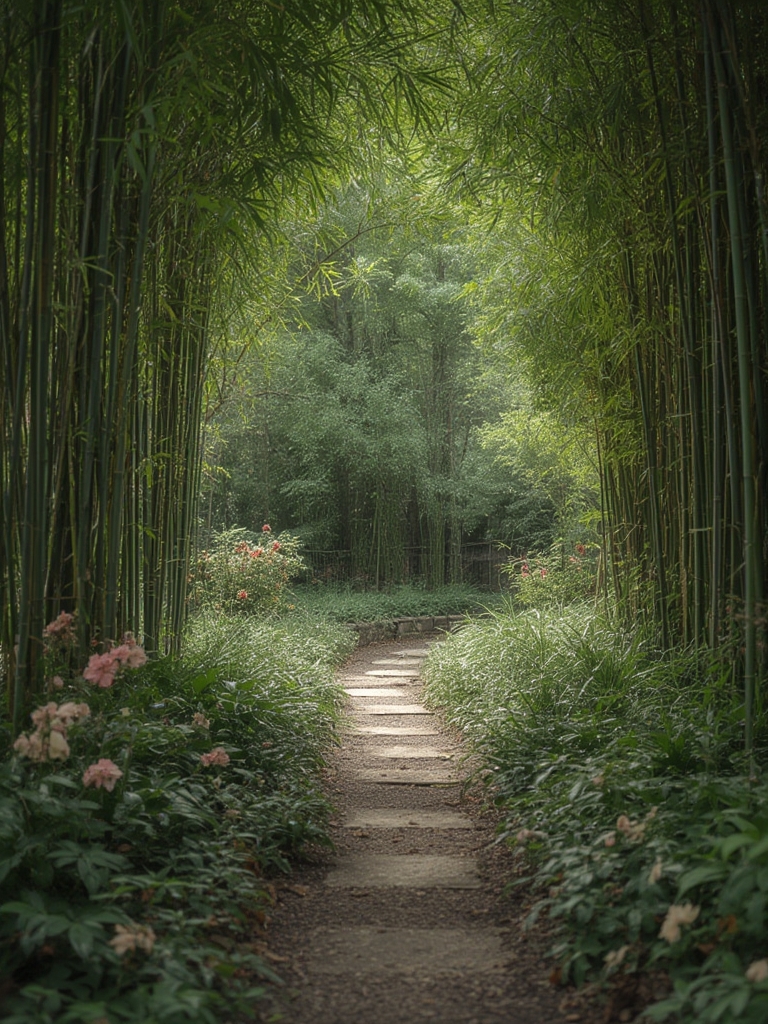
Incorporate stepping stones, a small gravel path, or a rustic wooden trellis for climbing herbs (e.g., climbing rosemary). These features not only improve visual interest but also aid in air circulation, reducing disease risk.
Conclusion
By grounding your herb and aromatic garden in measurable data—soil pH, sunlight hours, watering volume—and selecting perennials that shine in each season, you create a resilient, fragrant, and beautiful space. Follow the step‑by‑step plan, keep a simple garden log, and adjust based on the numbers you collect. Within a single growing cycle, you’ll enjoy fresh herbs for cooking, soothing aromas for relaxation, and a garden that looks attractive from spring blossoms to winter’s quiet hush.