Herbs and aromatic plants turn an ordinary garden into a sensory sanctuary, offering fresh flavors, soothing scents, and vibrant colors. Whether you have a sunny balcony, a modest backyard, or a spacious plot, you can design a thriving herb garden that looks stunning, smells delightful, and yields culinary and medicinal treasures all season long.
Why Choose Herbs & Aromatic Gardens?
Beyond their culinary uses, herbs provide natural pest control, attract pollinators, and improve soil health. Their foliage and flowers create texture and contrast, making them perfect for color‑rich palettes inspired by natural landscapes—think the warm golds of a desert sunset or the cool blues of a mountain meadow. Plus, many aromatic herbs are low‑maintenance, making them ideal for beginners and busy gardeners.
Step 1: Planning Your Garden Layout
Assess Light, Soil, and Space
- Sunlight: Most herbs need 6–8 hours of direct sun. Map the sun’s path and mark zones that receive full, partial, or shade.
- Soil: Aim for well‑draining, loamy soil with a pH of 6.0–7.0. Amend heavy clay with coarse sand or compost to improve texture.
- Space: Sketch a rough plan on graph paper or a digital tool. Allocate 12–18 inches between plants for airflow and easy harvesting.
Tip: Use a garden planner app to visualize plant spacing and sun exposure before you dig.
Step 2: Selecting the Right Herbs
Core Culinary Herbs
- Basil (Ocimum basilicum): Thrives in warm, sunny spots; pinch off flower buds to prolong leaf production.
- Thyme (Thymus vulgaris): Tolerates drought; prune after flowering to keep a compact shape.
- Rosemary (Rosmarinus officinalis): Prefers well‑drained soil; water sparingly to prevent root rot.
- Mint (Mentha spp.): Aggressive spreader—plant in a container to control invasiveness.
Aromatic Accent Plants
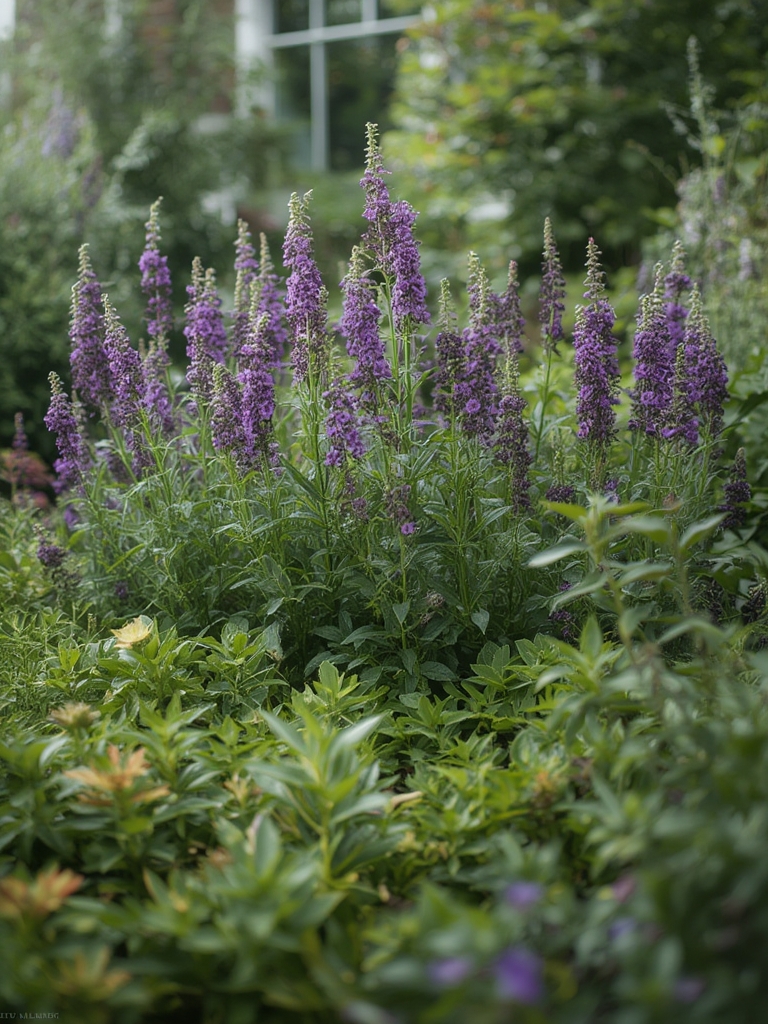
- Lavender (Lavandula angustifolia): Adds silvery foliage and fragrant spikes; prune back in early spring.
- Sage (Salvia officinalis): Offers textured leaves and purple blooms; mulch to retain moisture.
- Chamomile (Matricaria chamomilla): Delicate white flowers attract beneficial insects; harvest blossoms for tea.
Data‑driven note: According to a 2023 USDA garden survey, rosemary and lavender rank among the top 5 most drought‑tolerant herbs, reducing water use by up to 30 % compared with basil.
Step 3: Preparing the Soil
Amendments for Success
- Test the pH: Use a simple kit; adjust with lime (to raise) or sulfur (to lower) as needed.
- Incorporate organic matter: Mix in 2–3 inches of compost or well‑rotted manure to boost fertility and moisture retention.
- Improve drainage: Add a handful of perlite or coarse sand per square foot for herbs like rosemary that dislike soggy roots.
Quick tip: A thin layer of shredded bark mulch (1–2 inches) conserves moisture, suppresses weeds, and adds a tidy finish.
Step 4: Planting Techniques
From Seeds, Seedlings, or Divisions
- Seeds: Direct‑sow basil, thyme, and chamomile after the last frost. Lightly cover and keep soil consistently moist.
- Seedlings: Transplant rosemary, sage, and lavender when they have 2–3 true leaves. Harden off outdoors for a week before planting.
- Divisions: Split mature mint or oregano clumps in early spring; replant the sections at the same depth they were growing.
Actionable advice: Space each plant according to its mature spread—e.g., 12 inches for thyme, 24 inches for rosemary—to avoid crowding and reduce disease risk.
Step 5: Watering & Feeding
Establishing a Consistent Routine
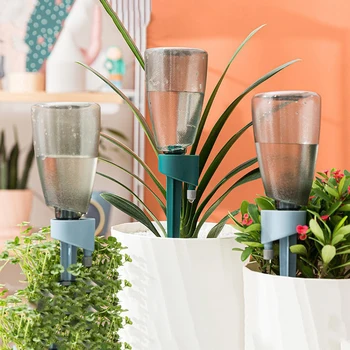
Water deeply once a week, allowing the top 2 inches of soil to dry between sessions. Use a drip‑irrigation system or soaker hose to deliver water directly to the root zone, minimizing evaporation.
Feed with a balanced, organic fertilizer (10‑10‑10) at half the recommended rate every 6–8 weeks. For a boost during flowering, apply a light dose of fish emulsion.
Pro tip: Add a pinch of seaweed extract to the watering can once a month to enhance aromatic oil production in leaves.
Step 6: Pruning & Harvesting
Keeping Plants Productive and Pretty
- Regular pinching: Remove the top 1–2 inches of basil weekly to encourage bushier growth.
- Harvesting rosemary: Snip stems just above a leaf node; avoid cutting more than one‑third of the plant at a time.
- Deadheading lavender: Trim spent flower spikes to promote a second bloom in late summer.
Harvest in the morning after dew has dried but before the sun intensifies—this preserves essential oils and flavor.
Step 7: Managing Pests & Diseases
Natural, Low‑Impact Solutions
Most aromatic herbs repel common pests, but occasional issues may arise:
- Aphids: Spray a solution of 1 tsp neem oil per quart of water.
- Powdery mildew: Increase airflow, avoid overhead watering, and apply a dusting of sulfur powder.
- Spider mites: Introduce predatory ladybugs or use a mild soap spray.
Rotate crops annually and practice good garden hygiene—remove dead foliage promptly to reduce disease inoculum.
Step 8: Creating Stunning Garden Color Palettes 🌿🎨
Nature‑Inspired Themes
Use the natural color language of landscapes to design eye‑catching herb beds:
- Desert Sunset: Pair golden rosemary, deep‑green sage, and copper‑hued thyme with orange marigold borders.
- Mountain Meadow: Combine silvery lavender, soft‑blue chamomile, and chartreuse oregano for a cool, tranquil vibe.
- Coastal Breeze: Mix sea‑green mint, pale‑yellow basil, and white sage for a breezy, airy feel.
Arrange plants in groups of three or five to create visual rhythm. Add low‑maintenance groundcovers like creeping thyme to fill gaps and enhance the overall texture.
Step 9: Extending the Harvest Season
Season‑Smart Strategies
- Cold frames: Cover basil and parsley with a clear plastic lid during early fall to add 2–3 weeks of growth.
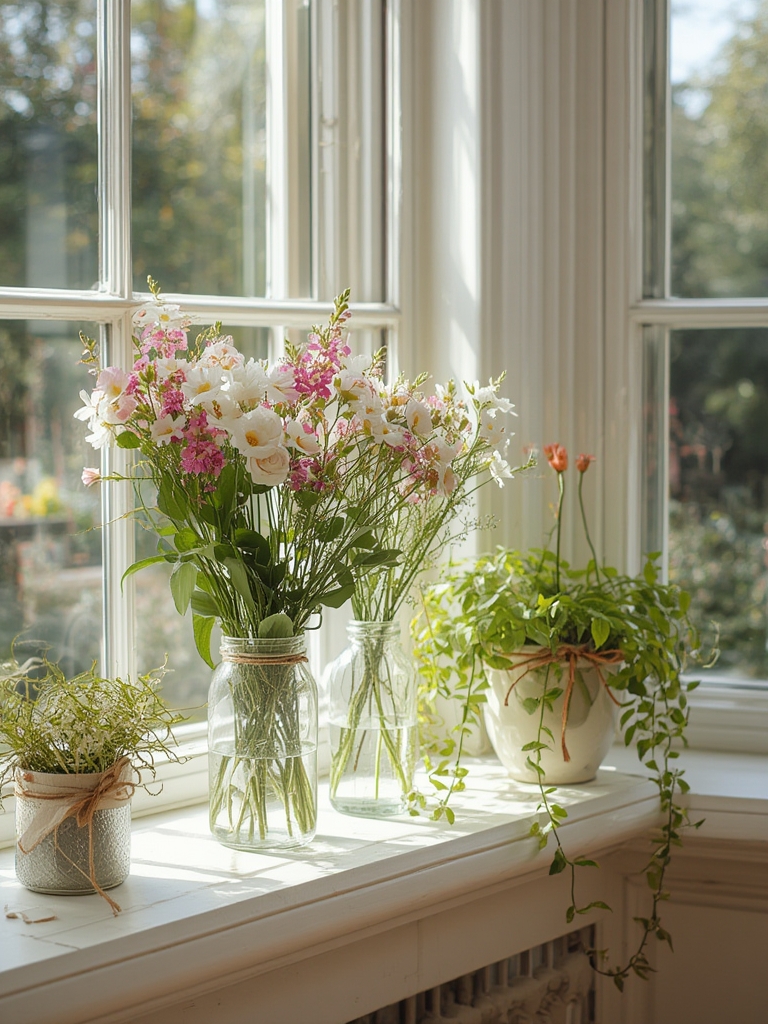
- Indoor pots: Relocate rosemary, thyme, and mint to sunny windowsills when temperatures dip below 50 °F (10 °C).
- Drying & Storing: Hang lavender bundles upside‑down in a dark, airy room; store dried herbs in airtight jars for year‑round use.
Conclusion: Your Aromatic Oasis Awaits
By following these data‑backed steps—planning the layout, selecting the right herbs, preparing soil, planting wisely, and maintaining with mindful watering, pruning, and pest control—you’ll cultivate a herb and aromatic garden that not only delights the palate but also adds vibrant color and fragrance to your outdoor space. Embrace the natural palettes inspired by landscapes, and watch your garden become a living masterpiece that feeds, heals, and inspires all year long.