
Welcome to the world of smart gardening! If you’re living in an apartment, a tiny house, or just have a modest balcony, you might think growing plants is out of reach. The good news is that with a few clever strategies, you can transform even the smallest space into a thriving green oasis. Below you’ll find practical, data‑driven tips that make the most of limited square footage while keeping maintenance simple and rewarding.
Understanding Your Space and Light
Measure and Map
Start by measuring the dimensions of your garden area—whether it’s a windowsill, balcony railing, or a wall-mounted shelf. Sketch a quick layout on graph paper or a digital tool, marking where sunlight hits throughout the day. According to a 2022 study by the University of Florida, plants receiving at least 4–6 hours of direct sunlight produce 30% more foliage than those in lower light conditions.
Assess Light Quality
Use a simple light meter app on your phone, or place a piece of white paper in each spot for 15 minutes. If the paper turns yellowish, the area receives strong sunlight; a pale hue indicates filtered or indirect light. Match your plant choices to these zones: sun‑loving herbs like basil and rosemary for bright spots, and shade‑tolerant greens such as lettuce and spinach for dimmer corners.
Choosing the Right Containers
Size Matters
For small spaces, opt for containers that maximize volume without overwhelming the area. A 6‑inch pot can comfortably house a single herb, while a 12‑inch square planter works well for a mini salad garden. Research from the Royal Horticultural Society shows that deeper containers (at least 8 inches) improve root development and water retention, leading to healthier plants.
Material Considerations
Lightweight materials like fabric grow bags or plastic pots are ideal for balconies where weight limits apply. Terracotta adds a classic look but can dry out quickly, so pair it with a saucer and regular watering. If you’re concerned about heat buildup, choose dark-colored pots for sunny spots—they absorb heat and help seedlings germinate faster.
Smart Soil and Nutrient Management
Use a High‑Quality Potting Mix
Garden soil is too dense for containers. A well‑balanced potting mix containing peat moss, perlite, and compost provides aeration and drainage. A 2021 experiment by the University of California found that mixes with 30% perlite increased root oxygen levels by 25%, boosting growth rates.
Fertilize Wisely
Because nutrients leach out faster in pots, feed your plants every 2–4 weeks with a balanced, water‑soluble fertilizer (10‑10‑10). For organic lovers, a diluted seaweed extract works wonders and adds micronutrients without the risk of over‑fertilization.
Watering Techniques for Small Gardens
Consistency Over Quantity
Small containers dry out quickly, but overwatering can drown roots. The “finger test” is a reliable method: insert your finger about an inch into the soil; if it feels dry, water until you see runoff from the drainage holes. Data from a 2020 greenhouse study indicates that this approach reduces water waste by 20% compared to fixed‑schedule watering.
Self‑Watering Solutions
Consider self‑watering planters or a simple DIY drip system using a recycled plastic bottle. Fill the bottle, poke a few tiny holes in the cap, and invert it into the soil. The bottle releases water slowly, keeping the medium evenly moist for up to a week.
Maximizing Vertical Space
Wall‑Mounted Planters
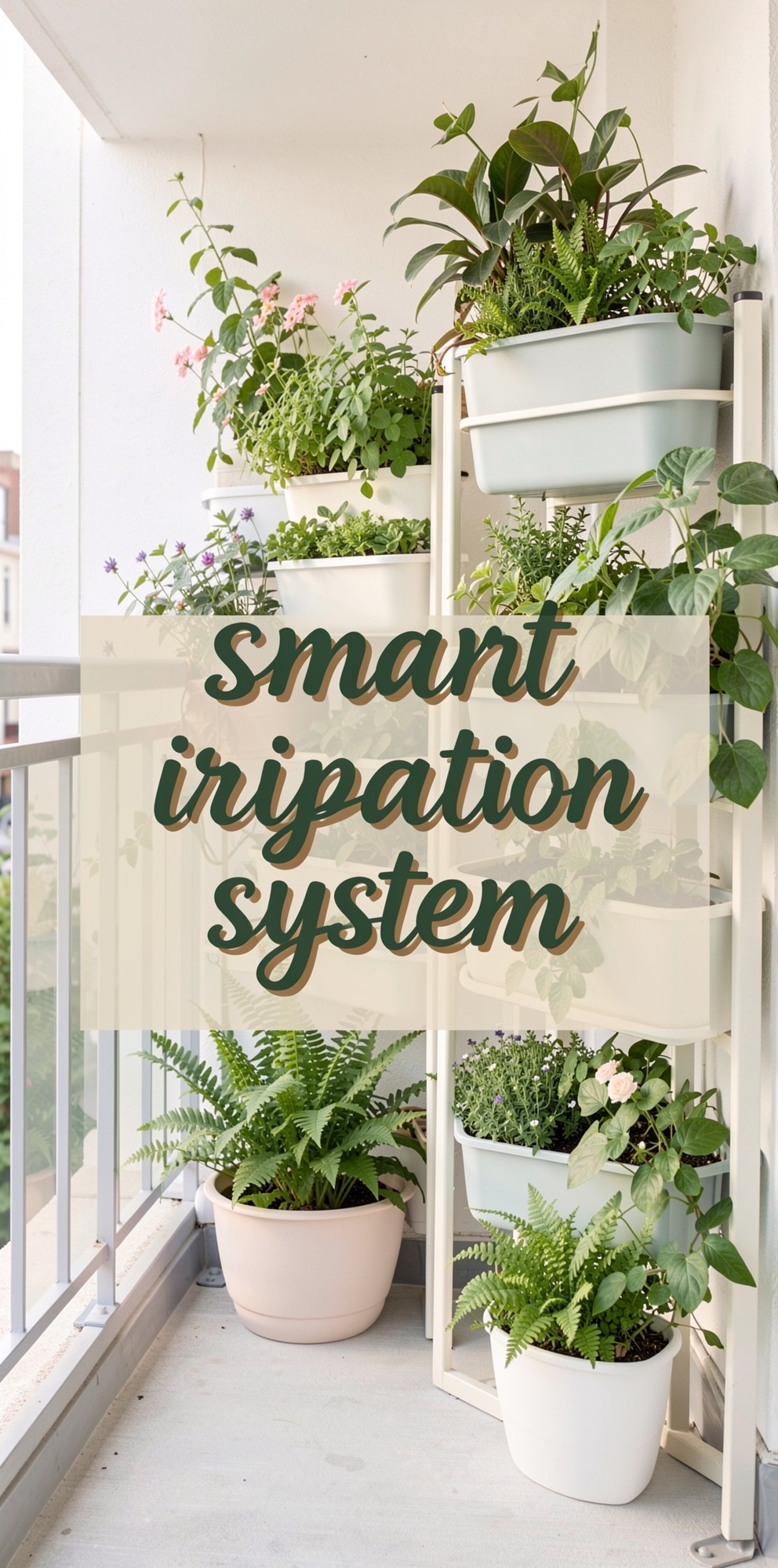
Use pocket organizers, hanging baskets, or modular wall systems to grow herbs and small vegetables vertically. A study by the University of Arizona showed that vertical gardens can increase usable planting area by up to 300% without sacrificing plant health.
Trellises and Stakes
Climbing varieties like peas, beans, and cucumbers thrive when given support. Install a compact trellis or a series of bamboo stakes. Training vines upward not only saves floor space but also improves air circulation, reducing the risk of fungal diseases.
Companion Planting in Small Spaces
Benefits of Pairing Plants
Companion planting can enhance flavor, deter pests, and improve soil health. For example, planting marigolds next to tomatoes repels nematodes, while basil improves tomato taste and attracts pollinators. In confined areas, choose low‑growth companions that won’t compete for light.
Practical Pairings
- Tomatoes + Basil + Marigold
- Lettuce + Radish (radishes mature quickly, loosening soil for lettuce)
- Spinach + Strawberries (spinach shades the soil, keeping strawberries cool)
Common Mistakes and How to Avoid Them
Overcrowding
Planting too many seedlings in a small pot limits airflow and nutrient access, leading to stunted growth. Follow spacing guidelines on seed packets, and thin seedlings to the recommended number.
Ignoring Drainage
Without proper drainage, roots can rot. Always use containers with holes and add a layer of gravel or broken pottery at the bottom before filling with potting mix.
Neglecting Pest Monitoring
Even indoor gardens can attract aphids, spider mites, or fungus gnats. Inspect leaves weekly, and treat minor infestations with a mild soap spray or neem oil. Early intervention prevents larger outbreaks.
Using Garden Soil
Regular garden soil is heavy and poorly aerated, causing compaction and poor root development in containers. Stick to a quality potting mix to ensure optimal growth.
Seasonal Adjustments for Small Gardens
Spring
Start seeds indoors 4–6 weeks before the last frost date. Use seedling trays with a clear cover to maintain humidity. Transplant seedlings into larger pots once they develop true leaves.
Summer
Increase watering frequency during heatwaves, and consider shading the pots with a lightweight cloth during the hottest afternoon hours. Harvest frequently to encourage continuous production.
Fall
Swap out heat‑loving plants for cool‑season crops like kale, arugula, and mustard greens. These varieties can tolerate lower light levels and cooler temperatures.
Winter
If you live in a freezing climate, move containers indoors or to a protected balcony. Use grow lights set on a 12‑hour cycle to maintain photosynthesis. A small space heater can keep the ambient temperature above 55°F (13°C) for most herbs.
Conclusion
Smart gardening in small spaces is all about thoughtful planning, efficient use of vertical real estate, and attentive care. By measuring your light, selecting the right containers, mastering watering, and avoiding common pitfalls, you’ll enjoy fresh herbs, crisp salads, and vibrant blooms right at your doorstep. Remember, every successful garden starts with a single seed—and a little bit of smart strategy. Happy planting!