

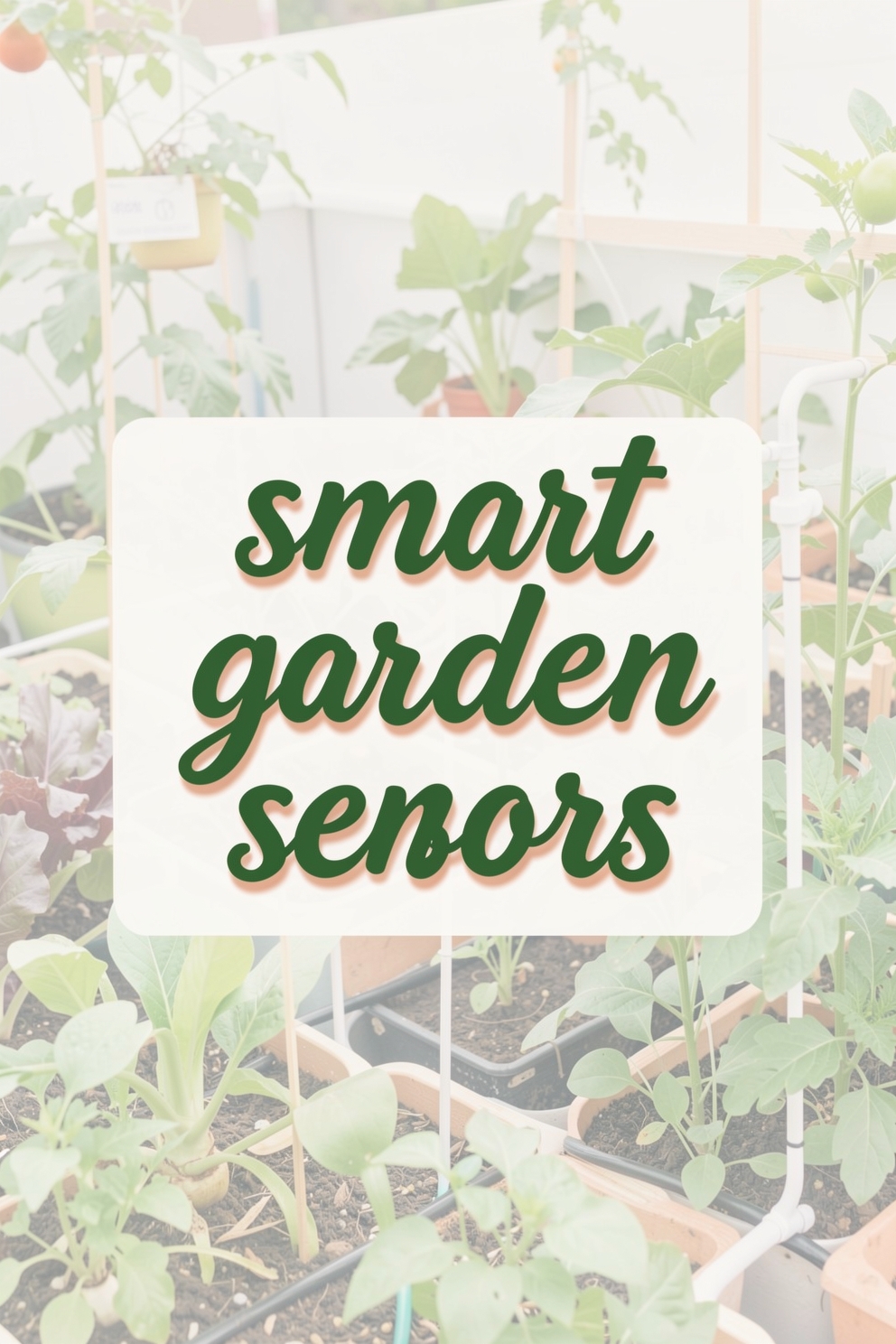
Welcome to the world of indoor gardening! If you’ve ever struggled to keep houseplants thriving, you’re not alone. The good news is that technology has stepped in to make indoor gardening easier and more rewarding. In this guide we’ll explore Smart Gardening Systems for Indoor Plants, break down how they work, and share practical tips to help beginners get the most out of their green spaces.
What Is a Smart Gardening System?
A Smart Gardening System combines sensors, automated watering, lighting, and sometimes even climate control into a single, easy‑to‑manage setup. These systems connect to a smartphone app or a web dashboard, giving you real‑time data on soil moisture, temperature, light intensity, and nutrient levels. By automating the most critical tasks, they reduce guesswork and help you avoid common pitfalls that often lead to wilted or over‑watered plants.
Key Components
- Soil Moisture Sensors: Detect when the soil is too dry or too wet and trigger watering cycles.
- LED Grow Lights: Provide the right spectrum of light for photosynthesis, especially in low‑light rooms.
- Water Reservoir & Pump: Store water and deliver precise amounts directly to the plant’s root zone.
- Climate Sensors: Measure temperature and humidity, allowing the system to adjust fans or humidifiers.
- Mobile App: Lets you monitor conditions, set schedules, and receive alerts on the go.
Benefits for Beginner Gardeners
Even if you’re new to indoor gardening, a Smart Gardening System for Indoor Plants can make the experience more enjoyable and successful:
- Less Guesswork: Real‑time data tells you exactly what your plants need.
- Consistent Care: Automated watering prevents both under‑ and over‑watering.
- Optimized Light: Adjustable LED lights ensure your plants receive the right amount of light year‑round.
- Time Savings: Set it and forget it—perfect for busy schedules.
How to Choose the Right System
When selecting a Smart Gardening System for Indoor Plants, consider the following factors:
Plant Types and Space
Identify the plants you want to grow (herbs, succulents, tropical foliage) and the size of the area you have. Some systems are modular and can be expanded, while others are designed for a single pot.
Connectivity
Look for Wi‑Fi or Bluetooth compatibility with your smartphone. A reliable app with clear graphs and notifications will make monitoring easier.
Budget
Basic kits start around $50, while more advanced setups with climate control can exceed $200. Choose a system that fits your budget but still offers essential features like moisture sensing and adjustable lighting.
Step‑by‑Step Setup Guide
Follow these simple steps to get your Smart Gardening System for Indoor Plants up and running:
1. Assemble the Hardware
- Place the water reservoir on a stable surface near a power outlet.
- Insert the pump and connect the tubing to the plant’s pot.
- Secure the soil moisture sensor into the pot’s soil, making sure the probe is at root depth.
- Mount the LED grow light above the plant, adjusting the height according to the manufacturer’s recommendations.
2. Connect to Power and Wi‑Fi
- Plug the system into an outlet and turn it on.
- Download the companion app from the App Store or Google Play.
- Follow the in‑app instructions to pair the device with your home Wi‑Fi network.
3. Calibrate Sensors
Most apps will guide you through a quick calibration:
- Place a dry soil sample in the sensor to set the “dry” baseline.
- Then add water to the soil until it’s saturated to set the “wet” baseline.
4. Set Watering & Light Schedules
Based on the plant’s needs, program the system to water when moisture falls below a certain threshold. Adjust the LED light timer to mimic natural daylight—typically 12–16 hours for most indoor plants.
5. Monitor and Adjust
Check the app daily for the first week. If you notice the soil staying too wet or too dry, tweak the moisture threshold or watering volume. Over time, the system will learn the optimal pattern for your specific environment.
Practical Tips for Success
- Start Simple: Begin with one or two plants before expanding to a larger system.
- Use Quality Potting Mix: A well‑draining mix prevents waterlogging and improves sensor accuracy.
- Keep Sensors Clean: Dust or algae can affect readings; wipe them gently every few weeks.
- Rotate Plants: Even with even lighting, rotating pots every week ensures balanced growth.
- Check Water Levels: Refill the reservoir before it runs dry to avoid pump damage.
Common Mistakes to Avoid
Over‑Reliance on Automation
While the system handles watering and lighting, it can’t replace occasional visual inspections. Look for signs of pests, yellowing leaves, or mold.
Ignoring Temperature and Humidity
Some indoor spaces can get too hot or dry, especially near radiators or air conditioners. Use the climate sensor data to add a humidifier or adjust the room temperature if needed.
Using the Wrong Light Spectrum
Not all LED lights are created equal. Ensure your grow light offers a balanced spectrum (blue for vegetative growth, red for flowering) to support healthy plant development.
Setting the Wrong Soil Moisture Threshold
Each plant species has a unique water requirement. A threshold that’s perfect for a succulent may drown a fern. Start with the manufacturer’s default, then fine‑tune based on plant response.
Maintenance Checklist
Keeping your Smart Gardening System for Indoor Plants in top shape requires a few routine tasks:
- Weekly: Inspect plant health, wipe sensors, and top up the water reservoir.
- Monthly: Clean the pump and tubing to prevent clogging.
- Every 3–6 months: Replace the LED light if brightness diminishes.
- Seasonally: Adjust light schedules to match natural daylight changes.
Conclusion
Integrating a Smart Gardening System for Indoor Plants into your home can transform the way you care for greenery. By automating watering, providing optimal lighting, and delivering real‑time insights, these systems empower beginner gardeners to achieve healthy, vibrant plants with confidence. Start small, stay observant, and let technology handle the heavy lifting—your indoor garden will thank you!