
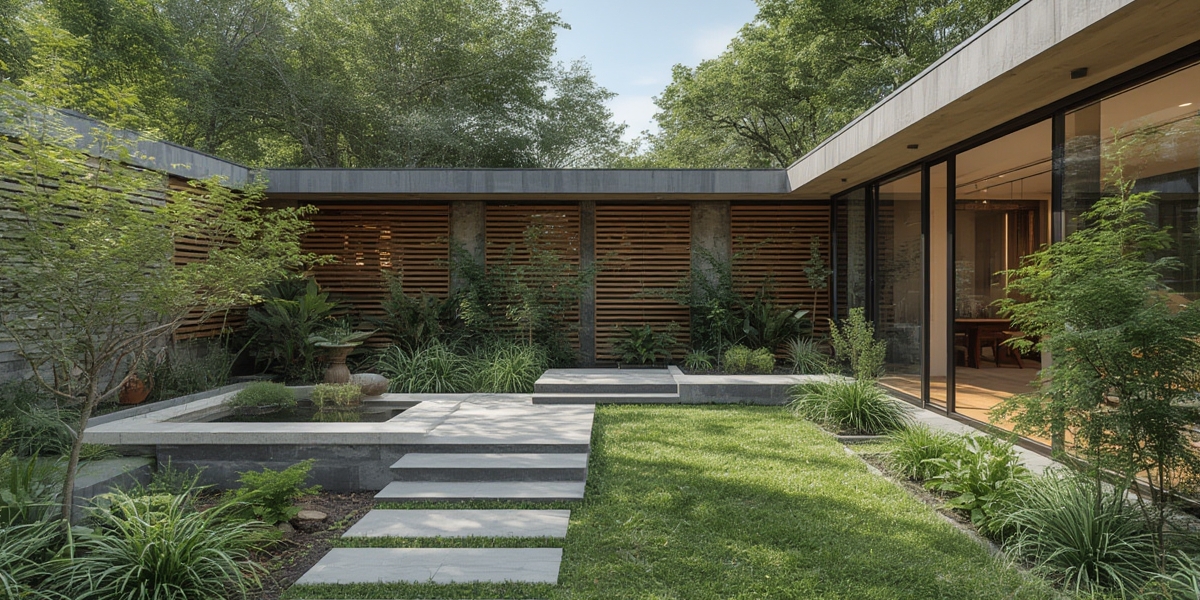
Welcome to the world of Smart Gardening Solutions for Sustainable Living! Whether you have a tiny balcony or a spacious backyard, modern technology can help you grow healthier plants while reducing waste, saving water, and cutting down on energy use. This guide walks you through easy‑to‑implement ideas, practical tips, and common pitfalls, so even beginners can start gardening smarter today.
Why Choose Smart Gardening?
Smart gardening blends traditional horticulture with digital tools that monitor and automate key growing conditions. By using sensors, timers, and data‑driven insights, you can:
- Optimize water usage and prevent over‑watering.
- Maintain ideal soil health without guesswork.
- Reduce the need for chemical fertilizers and pesticides.
- Harvest more produce with less effort.
All of these benefits contribute to a more sustainable lifestyle, aligning your garden with eco‑friendly values.
Getting Started: Essential Smart Tools
1. Soil Moisture Sensors
These small devices plug into a smartphone app or a home hub and give real‑time readings of how wet or dry your soil is. Place a sensor at root depth for each plant group, and let the data guide your watering schedule.
2. Automated Irrigation Systems
Smart drip lines or sprinkler controllers can be programmed to water based on sensor feedback, weather forecasts, or preset timers. Look for models that integrate with popular platforms like Google Home or Alexa for voice control.
3. Light Meters and Grow Lights
If you garden indoors or in a shaded spot, a light meter helps you determine whether your plants receive enough sunlight. Pair it with energy‑efficient LED grow lights that adjust intensity automatically throughout the day.
4. Weather Stations
Compact weather stations track temperature, humidity, rainfall, and wind speed. Connecting this data to your irrigation system prevents watering before rain and protects delicate seedlings from frost.
5. Mobile Apps & Dashboards
Many smart devices come with companion apps that consolidate data into easy‑to‑read dashboards. Use these insights to spot trends, set alerts, and make informed decisions about fertilization and pruning.
Practical Tips for Implementing Smart Gardening Solutions
Plan Your Garden Layout First
Before installing any technology, sketch a simple garden map. Mark where each plant will sit, the location of power outlets, and the path for water lines. A clear layout prevents tangled hoses and makes sensor placement straightforward.
Start Small and Scale Up
Begin with one or two smart tools—perhaps a soil moisture sensor and a basic timer. Once you’re comfortable interpreting the data, add more devices like a weather station or automated nutrient dispenser.
Calibrate Sensors Regularly
Soil sensors can drift over time. Check calibration every 4–6 weeks by comparing sensor readings with a manual soil moisture test (the “squeeze test” works well). Adjust the sensor settings in the app accordingly.
Use Rain Barrels and Greywater
Combine smart irrigation with sustainable water sources. Connect a rain barrel to your drip system, and set the controller to prioritize rainwater before tapping into the municipal supply.
Choose Native or Drought‑Resistant Plants
Even the smartest system can’t fully compensate for plants that demand excessive water. Opt for species adapted to your climate—such as lavender, rosemary, or native wildflowers—to reduce overall water usage.
Leverage Data for Fertilization
Some smart sensors measure soil nutrient levels (nitrogen, phosphorus, potassium). Use these readings to apply organic fertilizers only when needed, preventing over‑fertilization and runoff.
Common Mistakes and How to Avoid Them
Relying Solely on Automation
Automation is a powerful aid, but it’s not a set‑and‑forget solution. Periodically inspect plants for signs of stress—wilting, yellowing leaves, or pests—and adjust settings manually if needed.
Over‑Complicating the System
Adding too many gadgets at once can overwhelm beginners. Stick to a core set of tools, master them, and then expand. A cluttered system can lead to conflicting schedules and wasted energy.
Ignoring Local Climate Data
Smart devices often use generic algorithms. Always cross‑reference app recommendations with local weather forecasts and seasonal patterns. For example, a sudden cold snap may require you to pause irrigation even if the soil feels dry.
Improper Sensor Placement
Placing a moisture sensor too close to a water source (like a drip emitter) will give false “wet” readings, causing under‑watering elsewhere. Position sensors in the middle of the root zone, away from direct water streams.
Neglecting Power Management
Many smart devices run on batteries. Forgetting to replace or recharge them can cause data gaps. Keep a small stock of spare batteries and set a monthly reminder to check power levels.
Step‑by‑Step Example: Setting Up a Smart Herb Garden
- Choose a sunny spot (at least 6 hours of direct light) or set up LED grow lights.
- Lay out a raised bed or containers and fill with high‑quality compost.
- Insert soil moisture sensors at the depth of each herb’s root system.
- Connect a smart drip irrigation line to a water source, linking it to the sensor data.
- Install a compact weather station nearby to feed rain forecasts into the irrigation controller.
- Download the companion app and create zones for basil, mint, parsley, and thyme.
- Set watering thresholds (e.g., start watering when moisture drops below 30%).
- Monitor and adjust weekly—check sensor readings, prune herbs, and add organic fertilizer based on nutrient data.
Within a few weeks, you’ll notice healthier growth, fewer wilted leaves, and a reduction in water bills—all hallmarks of effective Smart Gardening Solutions for Sustainable Living.
Conclusion
Integrating technology into your garden doesn’t have to be intimidating. By starting with a few key devices, calibrating them correctly, and staying attentive to plant needs, you can create a thriving, eco‑friendly space that conserves resources and yields fresh produce. Embrace the data, avoid common pitfalls, and enjoy the satisfaction of watching your garden flourish—smartly and sustainably.