
Welcome to the world of urban gardening! If you live in a city apartment or a compact house, you might think green thumbs are reserved for those with sprawling backyards. Not true! With a few Smart Gardening Ideas for Urban Homes, you can transform even the tiniest balcony, windowsill, or indoor corner into a thriving garden oasis. This guide walks you through easy‑to‑follow steps, practical tips, and common pitfalls to avoid, so you can start growing fresh herbs, vibrant veggies, and beautiful blooms right where you live.
Why Smart Gardening Works in the City
Urban spaces present unique challenges—limited sunlight, restricted floor space, and sometimes unpredictable indoor climates. However, they also offer advantages: proximity to fresh produce markets (great for swapping seedlings), easy access to water sources, and the ability to control conditions with containers, grow lights, and smart accessories. By embracing these advantages, you can enjoy year‑round harvests without needing a traditional garden plot.
Getting Started: Choose the Right Containers
Size Matters
Pick containers that match the growth habits of your plants. For herbs like basil or mint, a 6‑inch pot works fine, while tomatoes and peppers need at least 12‑inch deep containers. Remember, larger pots retain moisture longer, reducing the frequency of watering.
Material Choices
- Terracotta: Breathable and attractive, but dries out quickly—ideal for Mediterranean herbs.
- Plastic: Lightweight and retains moisture, perfect for balconies where you may need to move pots.
- Fabric Grow Bags: Provide excellent aeration and prevent root circling, great for root vegetables.
Smart Light Solutions
Sunlight is the lifeblood of any garden, but many urban dwellers lack full‑sun exposure. Here’s how to supplement natural light:
LED Grow Lights
LED panels are energy‑efficient and emit the specific spectrum plants need. Position them 12‑18 inches above foliage and run them 12‑14 hours per day for leafy greens, or 10‑12 hours for fruiting plants.
Window Shelves
Install narrow, adjustable shelves near south‑facing windows. Even a few hours of direct sun can boost growth for herbs and lettuce.
Soil and Nutrient Management
Use a Quality Potting Mix
Regular garden soil is too heavy for containers. Opt for a lightweight, well‑draining potting mix that contains peat or coconut coir, perlite, and a touch of compost.
Fertilize Wisely
Because nutrients leach out quickly in containers, feed your plants every 2‑3 weeks with a balanced, water‑soluble fertilizer (10‑10‑10). For organic lovers, a diluted fish emulsion works wonders.
Watering Techniques That Save Time
Self‑Watering Pots
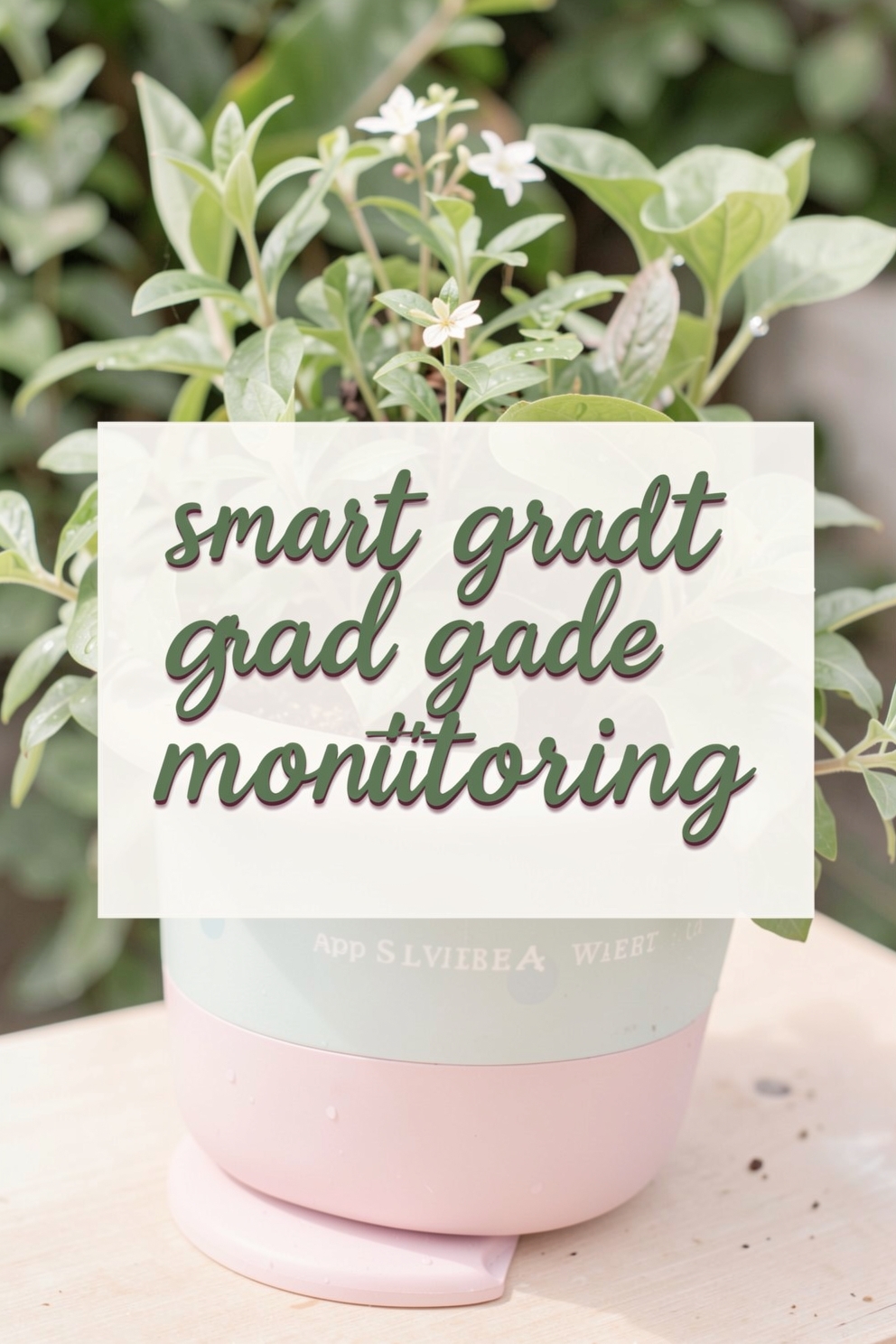
These containers have a reservoir at the bottom that releases water as the soil dries. They’re perfect for busy beginners and help prevent over‑watering.
Drip Irrigation Kits
Set up a simple drip system with a timer. It delivers consistent moisture directly to the root zone, reducing evaporation and keeping plants happy.
Space‑Saving Plant Choices
When floor space is limited, think vertically and choose compact varieties.
Vertical Gardens
Use wall‑mounted planters, pocket systems, or a trellis to grow strawberries, beans, or trailing herbs. This not only saves space but also adds a decorative element to your home.
Compact Varieties
- Dwarf Tomatoes: ‘Patio’ or ‘Tiny Tim’ varieties stay small yet produce fruit.
- Microgreens: Grow in shallow trays within days for a nutrient‑dense salad topping.
- Herb Mixes: Basil, cilantro, and parsley can share a single 12‑inch pot.
Practical Tips for Ongoing Success
Rotate Crops
After harvesting a batch of lettuce, replace it with a different leafy green or a quick‑growing radish. Rotation helps prevent soil‑borne diseases and keeps the garden productive.
Monitor Temperature
Most vegetables thrive between 65°F‑75°F (18°C‑24°C). If indoor temperatures swing, use a small space heater or a fan to maintain a stable environment.
Prune Regularly
Snipping back leggy stems encourages bushier growth and improves air circulation, reducing the risk of fungal issues.
Common Mistakes and How to Avoid Them
Overwatering
It’s easy to assume plants need constant moisture, especially in containers. Stick your finger 1‑2 inches into the soil; if it feels dry, water. Otherwise, wait.
Neglecting Light
Even shade‑tolerant herbs need a minimum of 4‑6 hours of indirect light. If leaves turn pale or stretch toward the light source, move the plant to a brighter spot or add supplemental lighting.
Using the Wrong Soil
Garden soil can compact quickly, suffocating roots. Always use a potting mix designed for containers to ensure proper drainage and aeration.
Skipping Fertilization
Because nutrients are washed out with each watering, plants can show signs of deficiency (yellowing leaves, stunted growth). Set a reminder to feed your garden regularly.
Harvesting and Enjoying Your Urban Garden
Harvesting at the right time maximizes flavor and encourages continued production. For leafy greens, cut the outer leaves first, leaving the center intact. For fruiting plants like tomatoes, pick when the color is fully developed but still firm. Freshly harvested herbs can be used immediately or dried for later use.
Conclusion
Implementing Smart Gardening Ideas for Urban Homes doesn’t require a green thumb—just a little curiosity and consistency. By selecting the right containers, optimizing light, managing water and nutrients, and choosing space‑saving plants, you can create a vibrant garden that fits any city lifestyle. Start small, learn from each harvest, and soon you’ll enjoy the satisfaction of growing your own food and beauty right at home. Happy gardening!