

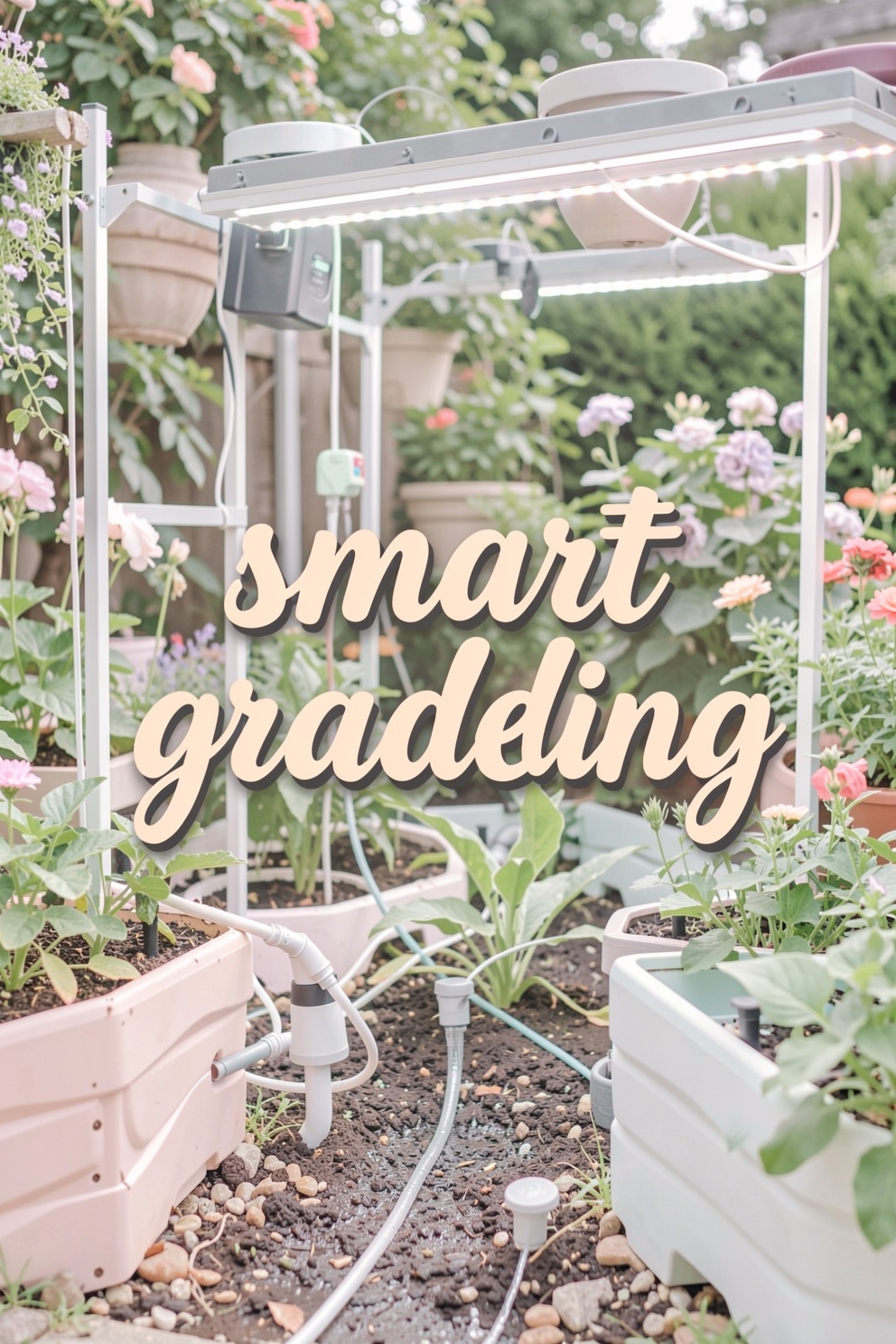
Welcome to the wonderful world of gardening! If you’re just starting out, the idea of growing your own herbs, vegetables, or flowers can feel both exciting and a little overwhelming. That’s why we’ve gathered a collection of Smart Gardening Ideas for Beginners that are easy to implement, budget‑friendly, and designed to set you up for success. By the end of this guide, you’ll have a clear roadmap to nurture thriving plants, avoid common pitfalls, and enjoy the satisfaction of watching your garden grow.
Why Choose Smart Gardening?
Smart gardening isn’t about high‑tech gadgets (although they can be fun); it’s about using simple, efficient strategies that maximize your space, time, and resources. These ideas focus on:
- Choosing the right plants for your climate and skill level.
- Optimizing soil health and moisture retention.
- Streamlining maintenance so you can garden confidently without feeling overwhelmed.
Getting Started: Essential Foundations
1. Pick the Right Location
Sunlight is the most critical factor for healthy plants. Aim for a spot that receives at least 6–8 hours of direct sun each day. If you’re limited on space, consider:
- Vertical gardens using trellises, hanging pots, or wall-mounted planters.
- Window boxes that capture sunlight on sunny windowsills.
2. Choose Beginner‑Friendly Plants
Start with varieties known for their resilience and low maintenance. Some great options include:
- Herbs: Basil, mint, chives, and parsley.
- Leafy greens: Lettuce, spinach, and arugula.
- Vegetables: Radishes, cherry tomatoes, and zucchini.
- Flowers: Marigolds, nasturtiums, and sunflowers.
3. Prepare Quality Soil
Healthy soil is the backbone of any garden. Follow these simple steps:
- Loosen the top 6–8 inches of soil to improve aeration.
- Mix in compost or well‑rotted manure (about 2–3 inches) to boost nutrients.
- Test the pH if possible—most vegetables thrive in a slightly acidic to neutral range (pH 6.0–7.0).
Smart Gardening Ideas for Beginners
1. Use Self‑Watering Containers
Self‑watering pots have a built‑in reservoir that slowly releases moisture to the roots. This reduces the risk of over‑ or under‑watering and is perfect for busy beginners. Place the container on a saucer to catch any excess water and keep your patio or balcony tidy.
2. Implement Mulching
Mulch acts like a blanket for your soil, retaining moisture, suppressing weeds, and regulating temperature. Organic mulches such as straw, shredded leaves, or wood chips also break down over time, adding valuable nutrients to the soil.
3. Try Companion Planting
Companion planting pairs plants that benefit each other. For example:
- Tomatoes + Basil: Basil repels pests and enhances tomato flavor.
- Carrots + Onions: The strong scent of onions deters carrot flies.
- Lettuce + Radishes: Radishes break up compacted soil, helping lettuce roots spread.
These combinations can improve yields and reduce the need for chemical pest control.
4. Set Up a Simple Drip Irrigation System
Drip irrigation delivers water directly to the root zone, minimizing waste. You can create a low‑cost system using a garden hose, a few small tubing pieces, and inexpensive drip emitters. This method ensures consistent moisture, especially during hot, dry spells.
5. Use Raised Beds
Raised beds offer several advantages for beginners:
- Better soil drainage and aeration.
- Reduced soil compaction, making it easier to tend plants.
- Cleaner, more organized growing space.
Build a simple raised bed with untreated wood, cinder blocks, or even repurposed pallets. Fill it with a mix of garden soil, compost, and a touch of sand for texture.
6. Embrace Succulent & Drought‑Tolerant Plants
If you’re worried about forgetting to water, incorporate a few low‑maintenance succulents or drought‑tolerant varieties like lavender, sage, or rosemary. These plants thrive on minimal water and add visual interest to any garden.
Practical Maintenance Tips
Regular Watering Checks
Check soil moisture by sticking your finger about an inch deep. If it feels dry, water gently until the water reaches the root zone. Early morning watering reduces evaporation and helps prevent fungal diseases.
Fertilize Wisely
Use a balanced, slow‑release fertilizer (e.g., 10‑10‑10) at planting time, then follow up with a liquid feed every 4–6 weeks during the growing season. Over‑fertilizing can lead to lush foliage but weak fruit or flower production.
Prune and Harvest Regularly
Harvesting leaves, herbs, or vegetables as soon as they’re ready encourages continuous growth. For example, pinch back basil regularly to prevent it from flowering, which can make the leaves taste bitter.
Monitor for Pests and Diseases
Early detection is key. Look for signs such as yellowing leaves, holes, or sticky residue. Simple, non‑chemical solutions include:
- Hand‑picking pests.
- Spraying a mild soap solution (1 tsp dish soap per gallon of water).
- Introducing beneficial insects like ladybugs.
Common Mistakes and How to Avoid Them
Overwatering
Too much water suffocates roots and invites root rot. Use well‑draining soil and ensure containers have drainage holes. A moisture meter can be a helpful tool for beginners.
Planting Too Deeply
Plant seeds or seedlings at the depth recommended on the packet. Planting too deep can prevent seedlings from breaking through the soil surface.
Ignoring Soil Health
Skipping compost or neglecting to amend soil leads to nutrient deficiencies. Add a thin layer of compost each season to keep the soil fertile and lively.
Choosing the Wrong Plants for Your Climate
Research your USDA hardiness zone (or local climate) before buying seeds. Selecting plants that are unsuited to your temperature range often results in stunted growth or loss.
Neglecting Sunlight Requirements
Even shade‑loving plants need a few hours of indirect light. If a spot is too dark, consider moving containers to a brighter location or using reflective surfaces to bounce light onto the plants.
Conclusion
Embarking on a gardening journey doesn’t have to be daunting. By incorporating these Smart Gardening Ideas for Beginners, you’ll create a thriving, low‑maintenance garden that brings fresh produce, fragrant herbs, and beautiful blooms right to your doorstep. Remember to start small, focus on soil health, and enjoy the learning process—each season offers new lessons and rewards. Happy gardening!