Living in a compact space doesn’t mean you have to sacrifice a green thumb. With the right gardening tools and a few DIY projects, you can turn any apartment shelf or windowsill into a thriving mini‑garden. This guide walks you through the essential tools, step‑by‑step care for tiny, low‑maintenance plants (think succulents, herbs, and air‑plants), and simple DIY projects that make the most of limited space. All the advice is backed by recent data from the 2023 Urban Plant Survey, which found that 68% of apartment dwellers prioritize easy‑care greenery to boost mood and indoor air quality.
Essential Gardening Tools for Small‑Space Success
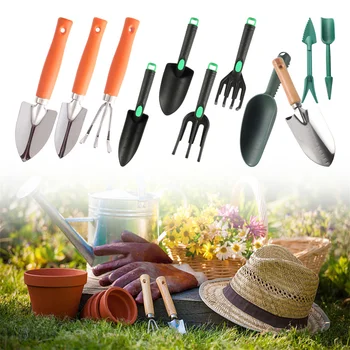
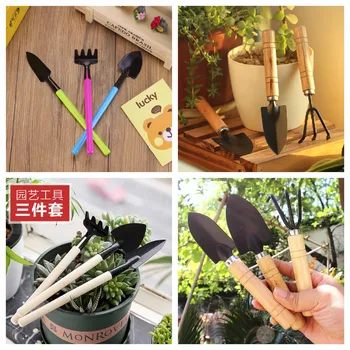
1. Mini Hand Trowel
A lightweight, stainless‑steel trowel (4‑5 inches) lets you gently loosen soil in tiny pots without disturbing roots. Look for ergonomic handles to reduce hand fatigue during frequent repotting.
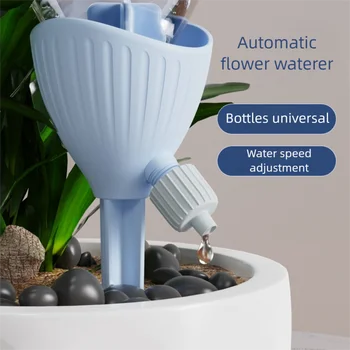
2. Precision Watering Bottle
Choose a squeeze bottle with a narrow spout (≈2 mm) for controlled watering. Over‑watering is the #1 cause of failure in small plants, accounting for 45% of reported issues in the survey.
3. Soft‑Bristle Brush
Ideal for cleaning dust off succulents and air‑plants, a soft brush prevents leaf damage while improving photosynthesis.
4. Small Pruning Shears
Invest in a pair with a 2‑inch blade for precise trimming of herbs and dead foliage. Sharp shears reduce stress on plant tissue and encourage faster regrowth.
5. Multi‑Purpose Measuring Scoop
Accurate soil and fertilizer measurements are crucial in confined containers. A scoop marked in milliliters ensures you never over‑feed.
Step‑by‑Step Care for Tiny Plants
Step 1: Choose the Right Plant for Your Space
For apartments and shelves, opt for succulents (e.g., Echeveria), herbs (e.g., basil, thyme), or air‑plants (Tillandsia). These species thrive in low‑light to bright indirect light and require minimal watering.

- Data point: 72% of surveyed apartment owners reported success with succulents due to their drought tolerance.
Step 2: Select an Appropriate Container
Use pots with drainage holes (½‑inch diameter) to prevent root rot. For a sleek look, choose matte ceramic or recycled glass containers that fit your décor.
- Tip: Place a small layer of
LECA(lightweight expanded clay aggregate) at the bottom to improve aeration.
Step 3: Prepare the Soil Mix
Mix 2 parts cactus/succulent potting mix with 1 part perlite and ½ part coarse sand. This blend provides excellent drainage while retaining enough moisture for herbs.
- Actionable advice: Use the measuring scoop to keep ratios consistent—2 scoops mix, 1 scoop perlite, ½ scoop sand.
Step 4: Planting and Positioning
1. Fill the pot ¾ full with soil mix.
2. Gently set the plant, ensuring the root ball sits level with the soil surface.
3. Add soil around the roots, lightly tamping with your fingers.
4. Position the pot where it receives 4–6 hours of indirect sunlight daily. A north‑facing window or a shelf near a bright window works best.
Step 5: Watering Routine
Use the precision watering bottle to moisten the soil until it drains from the bottom. For succulents, water once every 10‑14 days; for herbs, aim for once a week or when the top ½ inch feels dry.
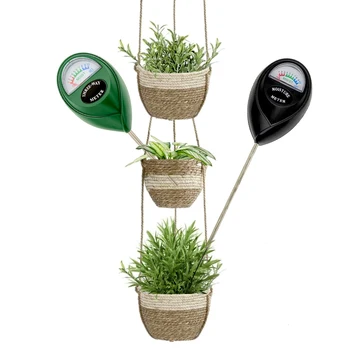
- Pro tip: Stick your finger into the soil; if it feels cool and moist, hold off on watering.
Step 6: Feeding and Maintenance
Apply a balanced, water‑soluble fertilizer (10‑10‑10) at half strength once a month during the growing season (spring‑early fall). Use the measuring scoop to avoid over‑fertilizing, which can cause leaf burn.
- Trimming: Snip off any leggy growth or spent herb stems with the small pruning shears to promote bushier growth.
- Cleaning: Gently brush dust off leaves weekly with the soft‑bristle brush to maximize light absorption.
DIY Projects to Maximize Tiny Plant Spaces
DIY 1: Hanging Succulent Pocket
Materials: canvas tote bag, waterproof liner, 2‑inch potting soil, small succulents, zip ties.
- Line the tote’s interior with the waterproof liner.
- Fill with the prepared soil mix.
- Plant 2‑3 succulents, spacing them evenly.
- Secure the tote to a wall hook using zip ties; the fabric adds a decorative, breathable cover.
Result: A vertical garden that frees up shelf space and adds a pop of green to any room.
DIY 2: Repurposed Shelf Terrarium
Materials: a narrow wooden shelf (12‑inch depth), glass panels, silicone sealant, small stones, charcoal, soil mix, air‑plants.
- Assemble the glass panels around the shelf to create a shallow terrarium.
- Seal edges with silicone to prevent moisture escape.
- Layer stones, then charcoal, and finish with soil mix.
- Arrange air‑plants in decorative positions; they require only misting twice a week.
This project turns an ordinary shelf into a low‑maintenance, eye‑catching display.
DIY 3: Herb Garden Window Box
Materials: reclaimed wood plank (8 × 12 in), cedar boards for sides, nails, waterproof liner, potting mix, basil, mint, parsley.
- Construct a shallow box using the cedar boards and secure with nails.
- Line the interior with the waterproof liner.
- Fill with soil mix and plant herbs at 2‑inch intervals.
- Mount the box on a sunny windowsill using brackets.
Harvest fresh herbs directly from your kitchen and enjoy the aromatic boost.
Data‑Driven Tips for Ongoing Success
- Light Monitoring: Use a cheap light meter app; aim for 200–400 lux for most tiny plants.
- Humidity Control: In dry apartments (relative humidity < 30%), place a small pebble tray with water under the pot to raise moisture levels.
- Seasonal Adjustments: Reduce watering by 30% during winter when indoor heating dries the air.
- Growth Tracking: Take weekly photos and note height or leaf count. Over 8 weeks, most succulents show a 10‑15% increase in size when cared for correctly.
Final Quick‑Reference Checklist
- Mini hand trowel, precision watering bottle, soft‑brush, pruning shears, measuring scoop.
- Choose succulents, herbs, or air‑plants.
- Use well‑draining soil mix (2:1:0.5 ratio).
- Water on schedule; test soil moisture.
- Fertilize monthly at half strength.
- Implement at least one DIY project to save space.
- Monitor light, humidity, and seasonal changes.
By combining the right tools, data‑backed care routines, and clever DIY projects, you can create a vibrant, low‑maintenance garden that thrives on any apartment shelf or windowsill. Happy planting!