
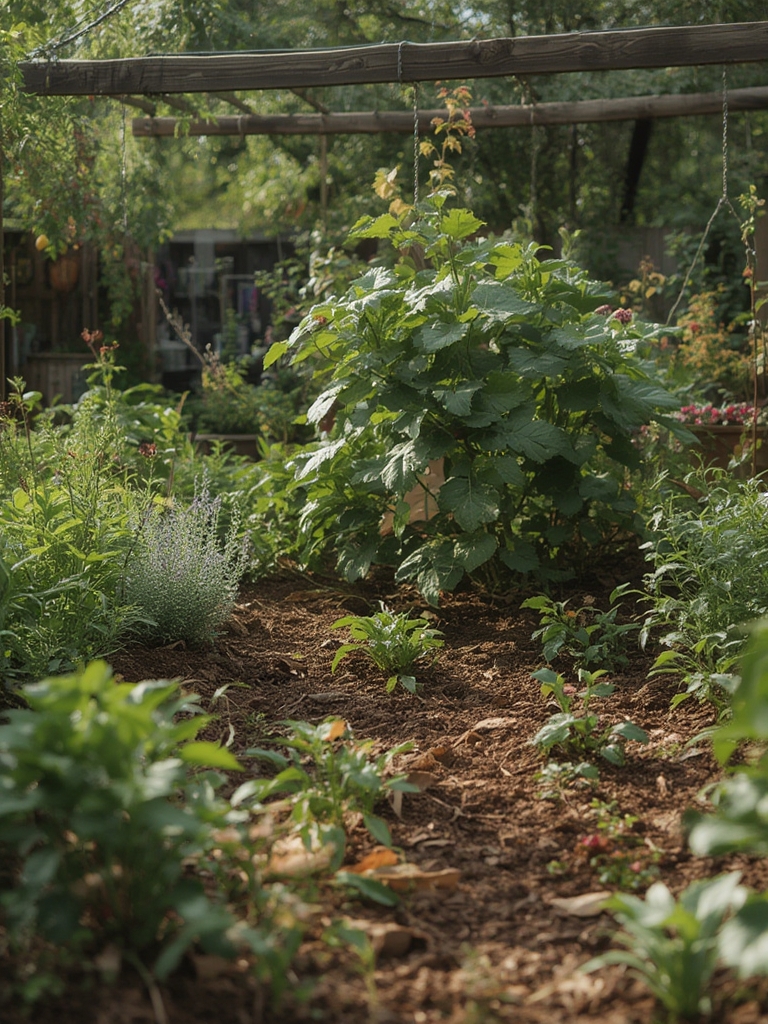
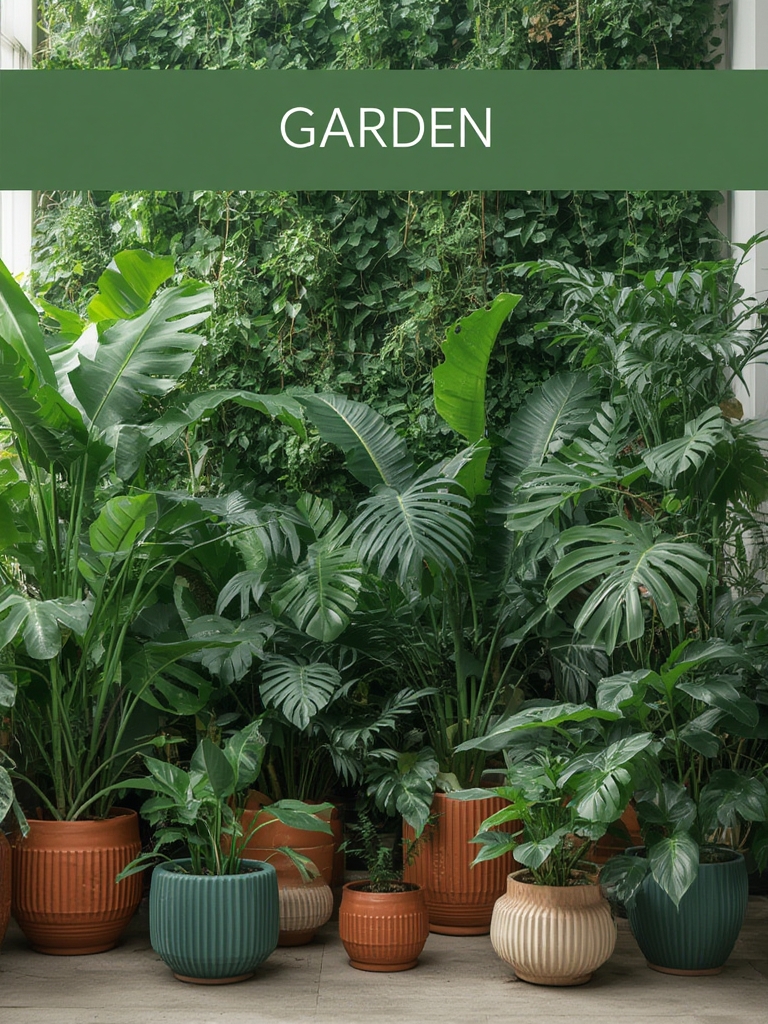
Welcome to your step‑by‑step guide on sustainable gardening—a practical, data‑backed approach that helps you grow thriving plants while reducing waste, conserving water, and protecting the planet. Whether you’re a balcony grower or a backyard enthusiast, the methods below are designed for easy implementation and measurable results.
1. Plan Your Garden with an Eco‑Friendly Mindset
Successful sustainable gardening starts long before you break ground. A well‑planned garden minimizes resource use and maximizes yield.
1.1 Conduct a Site Assessment
- Sunlight mapping: Use a smartphone app (e.g., Sun Surveyor) to log sun exposure in 30‑minute intervals for a week. Aim for at least 5–6 hours of direct sun for most vegetables.
- Soil testing: Purchase a cheap pH and nutrient test kit (≈ $10). Ideal pH for most edibles is 6.0–6.8. Adjust with organic lime or sulfur as needed.
- Water source analysis: Measure your tap water’s hardness and chlorine levels. If high, consider a rain‑water collection system (see Section 3).
1.2 Choose Native and Drought‑Tolerant Species
Data from the USDA shows that native plants require up to 30 % less irrigation and attract beneficial pollinators. Examples include:
- Eastern Redbud (Cercis canadensis) – ornamental tree
- Bee Balm (Monarda spp.) – herb and pollinator magnet
- Cherry Tomatoes (Solanum lycopersicum ‘Sungold’) – high‑yield, low‑water variety
1.3 Sketch a Layout Using Grid Planning
Divide your garden into 1‑ft squares (the “Square Foot Gardening” method). This reduces seed waste by up to 40 % and simplifies crop rotation.
2. Build Soil Health the Natural Way
Healthy soil is the cornerstone of sustainable gardening. It stores water, sequesters carbon, and supports beneficial microbes.
2.1 Create a Compost System
- Bin selection: Use a three‑bin system (green, brown, finished compost). A 3‑gal bucket works for balconies; a 50‑gal tote is ideal for yards.
- Carbon‑to‑Nitrogen ratio: Aim for a 30:1 ratio. Mix kitchen scraps (greens) with shredded newspaper or dry leaves (browns) in a 1:3 volume ratio.
- Turn frequency: Rotate the pile every 7–10 days. A study by Cornell University shows this reduces compost time by 25 %.
2.2 Apply Organic Amendments
Incorporate 2–3 inches of well‑rotted compost into the top 6‑inches of soil each spring. Add a thin layer (½ inch) of mycorrhizal inoculant to improve nutrient uptake and drought resistance.
2.3 Practice Mulching for Moisture Retention
- Use straw, wood chips, or shredded leaves as mulch. A 2‑inch layer can cut irrigation needs by up to 50 % (EPA).
- Replenish mulch annually to maintain thickness and prevent weed growth.
3. Conserve Water Efficiently
Water scarcity is a growing concern. Implementing smart irrigation can save up to 70 % of water usage.

3.1 Install a Rainwater Harvesting System
- Barrel size: A 55‑gallon rain barrel captures ~200 gallons per inch of rain. In a region receiving 30 inches annually, this provides ~6,000 gallons for garden use.
- Filtration: Add a mesh screen to keep debris out, and a first‑flush diverter to discard the initial runoff (which may contain pollutants).
- Distribution: Connect the barrel to a drip‑irrigation network using a simple gravity‑feed hose.
3.2 Use Drip Irrigation and Soaker Hoses
These methods deliver water directly to the root zone, reducing evaporation by up to 80 % compared to overhead sprinklers. Pair with a timer set to early morning (5–7 am) for optimal absorption.
3.3 Implement Soil Moisture Sensors
Low‑cost sensors (≈ $15) can be placed at 6‑inch depth. When moisture falls below 40 % field capacity, the sensor triggers the irrigation system, preventing over‑watering.
4. Grow with Integrated Pest Management (IPM)
IPM reduces chemical pesticide reliance, protecting beneficial insects and soil microbes.
4.1 Encourage Beneficial Predators
- Plant nectar‑rich flowers (e.g., lavender, fennel) to attract ladybugs and lacewings.
- Install a small “insect hotel” made of bamboo and straw to provide shelter.
4.2 Use Physical Barriers
Row covers, copper tape (for slugs), and mesh netting can prevent pests without chemicals. A 1‑mm mesh blocks >95 % of aphids while allowing pollination.
4.3 Apply Organic Sprays When Needed
Combine 1 tbsp neem oil with 1 qt water and a few drops of dish soap. Spray early morning or late evening to minimize pollinator impact. Track applications in a garden journal to stay within recommended limits (max 5 applications per season).
5. Harvest and Preserve for Zero Waste
Maximizing the use of your harvest reduces waste and extends the benefits of your garden.
5.1 Practice Sequential Harvesting
Pick leafy greens from the outer leaves first, allowing the plant to keep producing. This method can increase total yield by 20–30 % (University of California, Davis).
5.2 Preserve Surplus Produce
- Freezing: Blanch vegetables (e.g., beans, carrots) for 2–3 minutes before freezing to retain nutrients.
- Fermentation: Use a 2 % salt brine for sauerkraut or kimchi. Fermented foods improve gut health and reduce food waste.
- Drying: Air‑dry herbs on a mesh screen in a well‑ventilated area for 1–2 weeks. Store in airtight jars for up to a year.
6. Track Progress with Simple Data Tools
Data‑driven gardening helps you refine practices over time.
6.1 Use a Garden Logbook
- Record planting dates, seed varieties, and germination rates.
- Log water usage (gallons per week) and compare against rainfall.
- Note pest sightings and control measures for future reference.
6.2 Analyze Yield per Square Foot
Calculate total weight of harvested produce divided by the garden’s square‑foot area. Aim for a minimum of 1 lb per sq ft for vegetables—a benchmark for efficient, sustainable production.
7. Share and Inspire
Community involvement amplifies the impact of sustainable gardening.
7.1 Host a Seed Swap
Exchange heirloom and open‑pollinated seeds with neighbors. This practice preserves genetic diversity and reduces reliance on commercial seed packets.
7.2 Publish Your Data
Post your garden log highlights on social media or a personal blog. Use hashtags like #SustainableGardening and #ZeroWaste to connect with like‑minded gardeners.
By following these data‑backed steps—planning wisely, building healthy soil, conserving water, managing pests organically, and tracking results—you’ll create a resilient garden that feeds you, your community, and the planet. Happy sustainable gardening!
