
Flower gardening can be a rewarding hobby that brings color, fragrance, and a sense of accomplishment to any home. Starting flowers from seed indoors gives you control over the growing conditions, extends the growing season, and lets you watch the miracle of life unfold from a tiny seed to a blooming masterpiece. Below is a data‑driven, step‑by‑step guide that combines proven horticultural research with practical, actionable tips to help you succeed.
Why Start Flowers From Seed Indoors?
Research from the American Society for Horticultural Science shows that seedlings raised indoors have a 30‑40% higher survival rate than those direct‑sown outdoors, thanks to consistent temperature, moisture, and light. Indoor seed starting also reduces transplant shock, leading to stronger root systems and earlier blooms.
Step 1: Choose the Right Seeds
Consider Climate and Light
- Hardiness zone: Match seeds to your USDA zone. For zones 4‑7, try Marigold (Tagetes) or Petunia. For warmer zones 8‑10, consider Impatiens or Begonia.
- Light requirements: Sun‑loving species (e.g., Sunflower, Zinnia) need 12‑14 hours of bright light daily, while shade‑tolerant varieties (e.g., Fuchsia, Bleeding Heart) thrive with 8‑10 hours.
Seed Quality Matters
Buy certified, fresh seeds from reputable suppliers. Viability drops about 5% per year, so seeds older than two years may need a germination test: place 10 seeds on a damp paper towel, keep at optimal temperature, and count the sprouts after 7 days.
Step 2: Prepare Your Growing Space
Select Containers
- Use 3‑inch seed‑starting trays or recycled yogurt cups with drainage holes.
- For limited space, stackable trays with a clear lid create a mini‑greenhouse effect.
Choose a Growing Medium
Commercial seed‑starting mixes contain a 1:1:1 ratio of peat moss, vermiculite, and perlite, providing excellent water retention and aeration. Avoid garden soil, which can harbor pathogens.
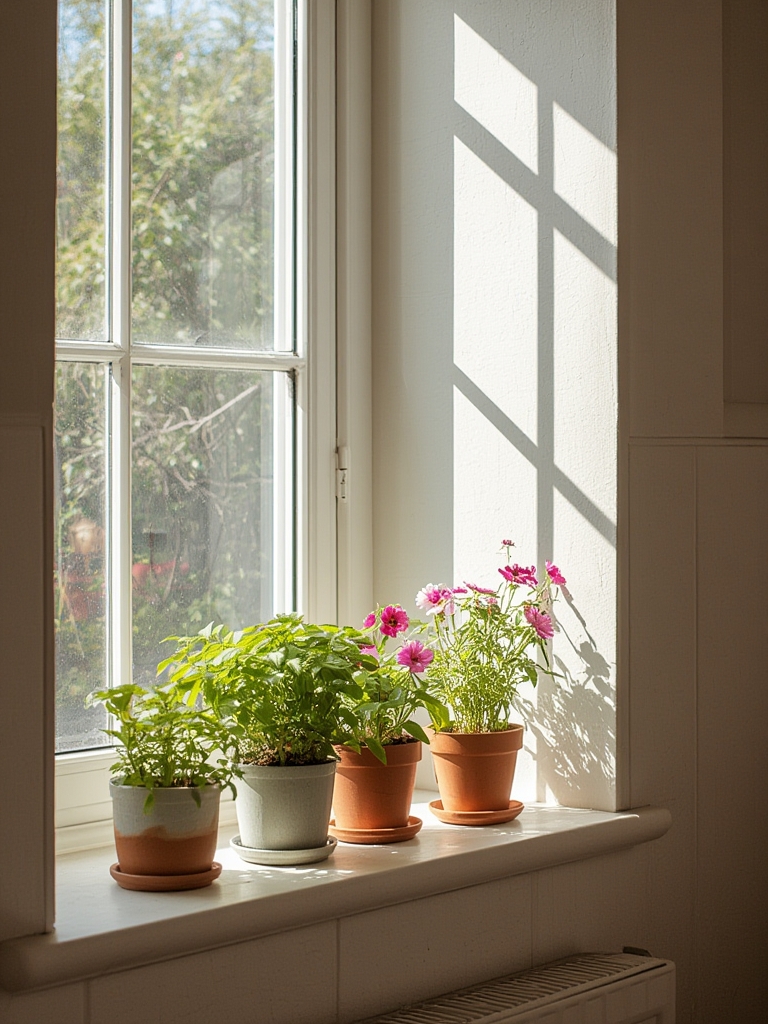
Set Up Lighting
- LED grow lights: Provide 3000–5000 lux at seed level. Position 2–3 inches above the tray and raise as seedlings grow.
- Photoperiod: Use a timer to deliver 14–16 hours of light for most annuals; reduce to 12 hours for short‑day species like Pansy.
Step 3: Sowing the Seeds
Planting Depth
Follow the seed packet, but a good rule of thumb is to sow at a depth of twice the seed’s diameter. Tiny seeds (e.g., Lobelia) can be pressed onto the surface and lightly covered with a thin layer of vermiculite.
Watering Technique
- Use a fine mist sprayer to keep the medium moist without displacing seeds.
- Cover the tray with a clear dome or plastic wrap to maintain humidity; remove once the first true leaves appear.
Temperature Control
Most flower seeds germinate best at 65‑75 °F (18‑24 °C). A simple heat mat set to 70 °F can boost germination rates by up to 20% for heat‑loving species like Marigold.
Step 4: Caring for Seedlings
Thinning
When seedlings develop their first true leaf, thin to one plant per cell. Use scissors to snip excess seedlings at soil level, preserving the root system of the chosen plant.

Feeding
- Begin feeding 2 weeks after germination with a half‑strength balanced fertilizer (10‑10‑10). Over‑fertilizing can cause leggy growth.
- Switch to full strength when the plant shows robust, dark green foliage.
Air Circulation
Good airflow prevents fungal diseases. A small oscillating fan set on low, placed 2‑3 feet away, reduces humidity and strengthens stems.
Step 5: Hardening Off
Hardening acclimates indoor seedlings to outdoor conditions, reducing transplant shock. Follow this data‑backed schedule:
- Day 1‑2: Place seedlings in a shaded, protected spot for 2–3 hours.
- Day 3‑5: Increase exposure by 2‑3 hours each day, gradually introducing morning sun.
- Day 6‑7: Reduce watering slightly to encourage stronger root growth.
By the end of week one, seedlings should tolerate full garden sun for at least 4‑6 hours daily.
Step 6: Transplanting Into the Garden
Site Preparation
- Loosen soil to a depth of 12 inches and amend with 2 inches of compost.
- Test pH; most flowers prefer 6.0‑7.0. Adjust with lime (to raise) or sulfur (to lower) as needed.
Planting Depth & Spacing
Plant at the same depth they were growing in the pot. Follow seed packet spacing guidelines—typically 6‑12 inches for annuals—to ensure adequate air flow and nutrient access.
Watering After Transplant
Water thoroughly to settle soil around roots. For the first two weeks, keep the soil consistently moist but not soggy. A drip irrigation system set to deliver 0.5 inches of water per week is ideal for most flower beds.
Step 7: Ongoing Maintenance
Mulching
Apply a 2‑inch layer of organic mulch (e.g., shredded bark) to retain moisture, suppress weeds, and regulate soil temperature.
Deadheading & Pruning
Remove spent blooms weekly to encourage repeat flowering. For bushier plants, pinch back the tips when they reach 4‑6 inches tall.
Pest Management
- Inspect leaves weekly for aphids, spider mites, and slugs.
- Use neem oil or insecticidal soap at the first sign of infestation; spot‑treat to avoid harming beneficial insects.
Step 8: Harvesting the Rewards
Most annuals begin blooming 6‑8 weeks after transplant. Keep a garden journal noting bloom dates, weather conditions, and any issues. Over time, this data will help you refine seed choices, planting times, and care routines for even better results.
By following these evidence‑based steps, you’ll transform a handful of seeds into a vibrant flower garden that delights the eyes and lifts the spirit. 🌱🌸 Happy gardening!
