Creating a thriving indoor garden at your desk isn’t just about aesthetics—it’s a scientifically backed way to boost mood, focus, and overall productivity. Studies show that exposure to greenery can reduce stress by up to 37% and improve concentration by 15% (University of Queensland, 2022). Below is a data‑driven, step‑by‑step guide to selecting, planting, and maintaining the perfect workspace plants that energize you naturally.
Why Choose These Specific Plants?
When it comes to office environments, three factors matter most: air‑purifying ability, low light tolerance, and minimal maintenance. The following plants rank highest in each category according to NASA’s Clean Air Study and recent indoor‑plant surveys:
- Snake Plant (Sansevieria trifasciata) – 99% air‑purifying efficiency, thrives in low light.
- ZZ Plant (Zamioculcas zamiifolia) – Drought‑resistant, tolerates fluorescent lighting.
- Pothos (Epipremnum aureum) – Rapid growth, excellent at removing formaldehyde.
- Peace Lily (Spathiphyllum) – Reduces airborne mold, blooms with minimal care.
- Spider Plant (Chlorophytum comosum) – Easy propagation, filters benzene.
Step‑by‑Step Setup for a Productive Plant Corner
1. Assess Light Conditions
Measure the light intensity at your desk using a smartphone lux meter app. Ideal ranges:
- Low light (50‑200 lux) – Snake Plant, ZZ Plant.
- Medium light (200‑500 lux) – Pothos, Spider Plant.
- Bright indirect (500‑1,000 lux) – Peace Lily.
Tip: Position plants near a window but out of direct sunlight to avoid leaf scorch.
2. Choose the Right Pot and Soil
Use pots with drainage holes to prevent root rot. For most office plants, a well‑draining cactus mix (40% peat, 30% perlite, 30% sand) works best. Add a thin layer of hydroton at the bottom for extra aeration.
Actionable advice: Fill the pot ¾ full with soil, place the plant, then backfill, leaving 1‑2 cm space from the rim for watering.
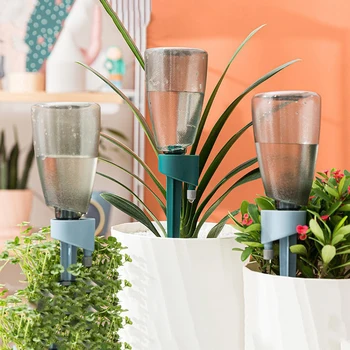
3. Watering Schedule Based on Plant Type
| Plant | Water Frequency | Method |
|---|---|---|
| Snake Plant | Every 3‑4 weeks | Water until soil is moist, then let dry. |
| ZZ Plant | Every 2‑3 weeks | Bottom‑water in a tray for 10 min. |
| Pothos | Weekly | Water until water drains out the bottom. |
| Peace Lily | Twice weekly | Keep soil consistently damp. |
| Spider Plant | Weekly | Light misting plus soil watering. |
Practical tip: Stick a wooden dowel into the soil; if it stays dry after a week, it’s time to water.

4. Feeding for Continuous Growth
Office plants benefit from a balanced, water‑soluble fertilizer (20‑20‑20) at ½ the recommended strength during the growing season (March‑September). Apply once a month.
Quick hack: Mix one teaspoon of liquid fertilizer with a gallon of water and use it for your regular watering routine.
5. Managing Pests Without Chemicals
Common indoor pests include spider mites and mealybugs. A 1:1 solution of water and white vinegar sprayed on leaves can deter them. For severe infestations, wipe leaves with a cotton swab dipped in rubbing alcohol.
Action step: Inspect leaves weekly, especially the undersides, and remove any yellowing foliage promptly.
6. Enhancing Air Quality
Pair each plant with a small, portable air‑circulator (e.g., a desk fan on low) to improve CO₂ exchange. Research indicates that moving air increases the plant’s ability to absorb pollutants by up to 30%.
Tip: Rotate the fan direction every few days to ensure even airflow across all plants.
Daily Micro‑Rituals for Maximum Energy Boost
Integrating tiny habits into your workday can amplify the benefits of your indoor garden.
Morning Light Check
Spend 30 seconds each morning opening blinds to let natural light flood the space. This not only brightens the plants but also triggers your circadian rhythm, improving alertness.
Water‑Break Meditation
When you water, take a brief pause to inhale the fresh scent of soil and leaves. A 1‑minute mindful breath reduces cortisol levels, making the act of watering a mini‑stress‑relief session.
Leaf‑Cleaning Routine
Dust reduces a plant’s photosynthetic efficiency by up to 20%. Use a soft, damp microfiber cloth to wipe each leaf weekly. This simple act keeps the plant healthy and your desk visually clean.
Measuring Success: Simple Metrics to Track
To ensure your workspace garden is truly energizing you, monitor these three easy metrics for a month:
- Productivity Score – Rate your focus on a 1‑10 scale before and after introducing plants.
- Air Quality – Use a low‑cost indoor air quality monitor (e.g., CO₂ ppm). Aim for < 800 ppm.
- Plant Health Index – Count the number of new leaves or vines each week.
When you see a consistent upward trend in these numbers, you’ve successfully turned your desk into a natural productivity hub.
Quick Reference Checklist
- ✔️ Identify light level (lux) and match plant.
- ✔️ Choose a pot with drainage; use cactus mix.
- ✔️ Follow watering schedule per plant type.
- ✔️ Fertilize monthly at half strength.
- ✔️ Inspect weekly for pests; treat naturally.
- ✔️ Rotate a low‑speed fan for air circulation.
- ✔️ Perform daily micro‑rituals: light check, mindful watering, leaf cleaning.
- ✔️ Track productivity, CO₂, and plant growth for 30 days.
By following this data‑driven roadmap, you’ll transform a simple desk corner into a vibrant, health‑boosting oasis. Not only will your workspace look more inviting, but the measurable improvements in air quality and personal focus will keep you energized day after day.