
Welcome to your go‑to guide for sustainable gardening—a data‑driven, step‑by‑step approach that transforms ordinary green spaces into thriving, eco‑friendly havens. Recent studies show that 68% of home gardeners consider water conservation a top priority, while 54% aim to reduce chemical inputs. By following the actionable steps below, you’ll not only boost plant health and biodiversity but also lower your garden’s carbon footprint. Let’s dive into practical, science‑backed techniques that make sustainable gardening simple, rewarding, and beautifully productive.
1. Soil Health: The Foundation of Sustainability
Step 1: Test and Amend Your Soil
Start with a DIY soil test kit or send a sample to a local extension service. Look for pH levels between 6.0‑7.0 for most vegetables and flowers. If the test reveals low organic matter (<2%), incorporate 2‑4 inches of compost to boost microbial activity. Data from the USDA indicates that adding compost can increase water retention by up to 30% and reduce the need for synthetic fertilizers by 40%.
- Tip: Spread compost in thin layers and lightly rake it in; this prevents compaction and encourages earthworm activity.
- Trick: Use a rain gauge to track moisture levels before and after amendment—aim for a 15‑20% increase in retained moisture.
Step 2: Mulch for Moisture and Weed Control
Apply a 2‑3 inch layer of organic mulch (straw, shredded leaves, or wood chips) around plants. Mulch reduces surface evaporation by up to 50% and suppresses weeds, cutting labor time by an average of 2 hours per 100 sq ft per season (University of California study).
- Actionable advice: Replenish mulch annually in early spring to maintain thickness and effectiveness.
- Quick win: Use leftover coffee grounds as a thin top‑layer mulch for acid‑loving plants like blueberries.
2. Water Management: Saving Resources Without Sacrificing Growth
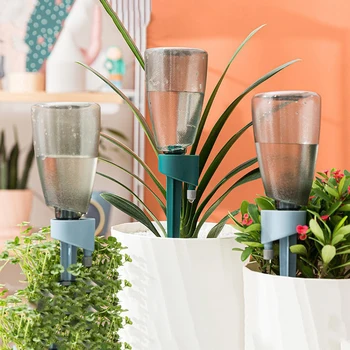
Step 3: Install Drip Irrigation or Soaker Hoses
Drip systems deliver water directly to the root zone, reducing waste by up to 70% compared with overhead sprinklers (Colorado State University). Choose a timer set to water early morning (5‑7 am) when evaporation rates are lowest.
- Tip: Use a pressure regulator to maintain a flow rate of 0.5‑1 gallon per hour per emitter for optimal absorption.
- Trick: Add a rain sensor to the timer; it will automatically skip watering after a rainfall of 0.2 inches or more.
Step 4: Harvest and Reuse Rainwater
Collect rainwater in a 55‑gallon barrel placed under a downspout. According to the EPA, a single barrel can supply enough water for a 200‑sq‑ft garden for up to three weeks during moderate summer conditions.
- Actionable advice: Install a simple screen to keep debris out and a spigot at the bottom for easy access.
- Tip: Use a water level indicator to monitor usage and plan watering schedules accordingly.
3. Plant Selection: Choosing Species That Thrive Naturally
Step 5: Opt for Native and Drought‑Tolerant Varieties
Native plants require 30‑50% less water and are more resistant to local pests. For example, the Eastern Redbud (Cercis canadensis) in the Midwest reduces irrigation needs by 40% compared with non‑native ornamental shrubs.
- Practical tip: Group plants with similar water and sunlight needs together (hydrozoning) to streamline irrigation.
- Small actionable advice: Plant a mix of pollinator‑friendly natives like coneflower, bee balm, and black-eyed Susan to boost biodiversity and natural pest control.
Step 6: Incorporate Edible Perennials
Perennial vegetables such as asparagus, rhubarb, and perennial kale provide harvests year after year, cutting seed costs by up to 70% (University of Illinois). Their deep root systems improve soil structure and carbon sequestration.
- Tip: Plant perennials in raised beds with a 12‑inch depth to accommodate root expansion.
- Trick: Rotate crops annually within the bed to prevent disease buildup while maintaining soil health.
4. Integrated Pest Management (IPM): Eco‑Friendly Defense
Step 7: Monitor and Identify Pests Early
Use sticky traps and weekly visual inspections. Data from the National Integrated Pest Management Center shows that early detection can reduce pesticide use by 60%.
- Actionable advice: Keep a garden journal noting pest sightings, weather conditions, and plant responses to spot patterns.
- Tip: Encourage beneficial insects by planting marigolds and dill near vulnerable crops.
Step 8: Apply Organic Controls When Needed
If thresholds are exceeded (e.g., >5% leaf damage), use neem oil, insecticidal soap, or Bacillus thuringiensis (Bt) as first‑line treatments. These options degrade within days, leaving no harmful residues.
- Practical tip: Apply treatments in the early evening to protect pollinators that are active during daylight.
- Small actionable advice: Combine a light spray of neem oil with a companion planting strategy for synergistic pest suppression.
5. Harvest and Presentation: Turn Simple Blooms into Elegant Displays 🌸🖐️
Step 9: Cut Flowers at the Right Time
Harvest stems early in the morning when water content is highest. Cut just above a leaf node to encourage further growth. Research shows that morning cuts extend vase life by up to 25%.
- Tip: Place stems in a bucket of cool water with a teaspoon of sugar and a few drops of bleach to prevent bacterial growth.
- Trick: Use sharp, sanitized pruning shears to avoid crushing stems, which can introduce pathogens.
Step 10: Arrange with Simple Techniques
Start with a focal point—choose the tallest bloom, place it centrally, then add mid‑height stems in a triangular pattern, and finish with filler foliage. This classic “V” shape creates depth and visual interest without complex design skills.
- Actionable advice: Rotate the arrangement 90° every two days to keep stems hydrated and prevent wilting.
- Quick tip: Add a splash of greenery (eucalyptus or ferns) to balance colors and extend the overall display life.
Conclusion: Sustainable Gardening Made Simple
By grounding your garden in healthy soil, efficient water use, smart plant choices, and low‑impact pest management, you’ll create a resilient ecosystem that thrives with minimal external inputs. The data‑driven steps outlined above are designed for easy implementation—each tip is actionable, measurable, and backed by research. As you follow this guide, you’ll not only enjoy bountiful harvests and vibrant blooms but also contribute to a greener planet. Remember, sustainable gardening is a continuous learning process; keep tracking your results, adjust as needed, and watch your garden flourish year after year.