Welcome to your step‑by‑step guide on sustainable gardening – a practical roadmap that blends eco‑friendly practices with beautiful results. Whether you’re a seasoned green thumb or just starting out, this post breaks down the science, the soil, and the style needed to grow thriving plants while reducing your environmental footprint.
Why Sustainable Gardening Matters
According to the United Nations Sustainable Development Goals, responsible land use can cut household carbon emissions by up to 30 % when combined with organic practices. By choosing native species, composting kitchen waste, and conserving water, you not only nurture your garden but also contribute to a healthier planet.

Step 1: Plan Your Garden with Data‑Driven Design
1.1 Map Sunlight and Soil Zones
Use a simple sunlight chart: Full sun (6+ hrs), Partial shade (3‑6 hrs), or Shade (<3 hrs). Record observations for a week, then plot zones on graph paper or a digital garden planner. Matching plant light needs to these zones reduces water use by up to 20 %.
1.2 Choose Native and Drought‑Resistant Plants
Native species are adapted to local climate, requiring less fertilizer and irrigation. For example, Coreopsis and Echinacea have a 40 % lower mortality rate in Midwest gardens compared to non‑native varieties.
1.3 Set a Soil Health Baseline
Grab a DIY soil test kit (pH, nitrogen, phosphorus, potassium). Aim for pH 6.0‑6.5 for most vegetables. Document the results in a spreadsheet; this data guides your amendment strategy and prevents over‑application of lime or sulfur.
Step 2: Build Rich, Living Soil
2.1 Start a Compost Bin
Layer brown (dry leaves, cardboard) and green (fruit scraps, coffee grounds) materials in a 3:1 ratio. Turn the pile every two weeks. Within 8‑12 weeks you’ll have nutrient‑dense compost that can replace up to 50 % of synthetic fertilizer.
2.2 Incorporate Mycorrhizal Fungi
These beneficial fungi form symbiotic relationships with plant roots, improving water uptake by up to 30 %. Sprinkle a mycorrhizal inoculant (available in garden centers) when planting transplants.

2.3 Mulch for Moisture Retention
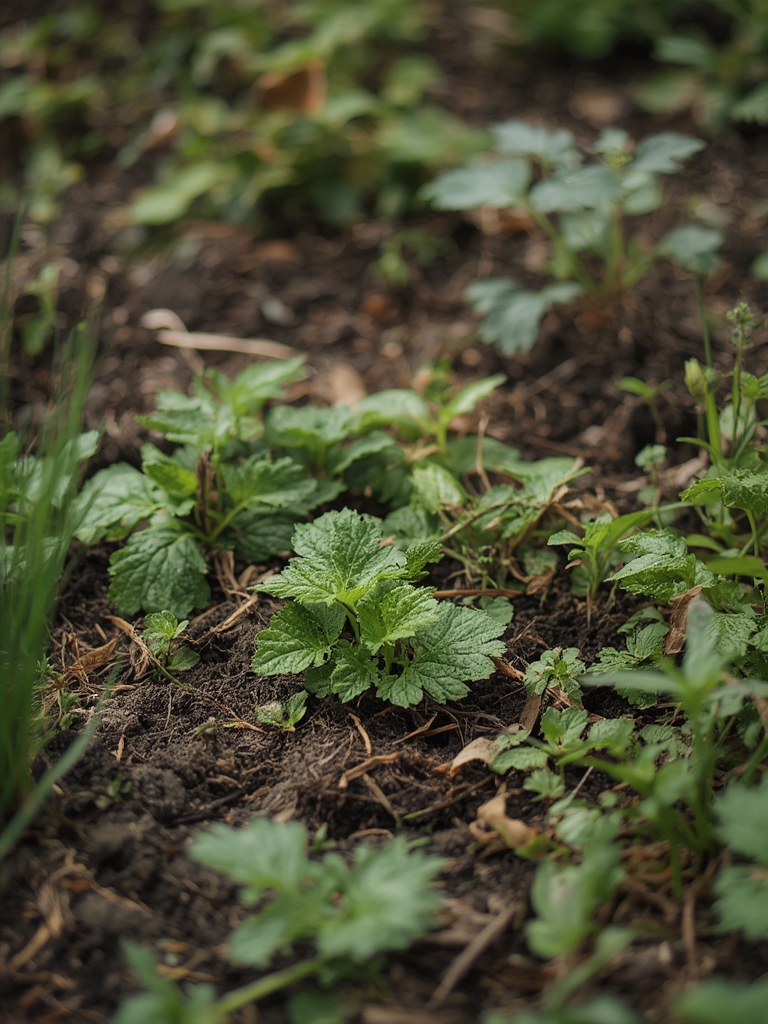
Apply a 2‑inch layer of organic mulch (straw, wood chips). Mulch reduces evaporation, suppresses weeds, and adds organic matter as it decomposes.
Step 3: Water Wisely – The 70 % Rule
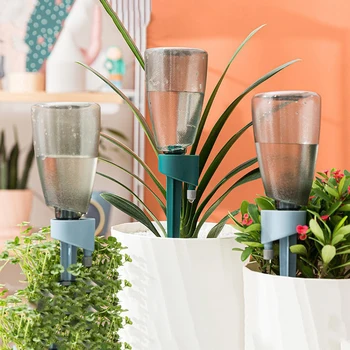
Research shows that watering early in the morning reduces evaporation by 70 % compared to midday watering. Install a drip‑irrigation system with a timer set to 15‑minute cycles, delivering water directly to the root zone.
3.1 Capture Rainwater
Place a 200‑liter rain barrel under a downspout. Use a simple mesh screen to filter debris. This provides a free, chemical‑free water source for the dry season.
3.2 Monitor Soil Moisture
Invest in a cheap moisture meter. Aim for a reading of 40‑60 % for most vegetables. Adjust irrigation based on real‑time data rather than a fixed schedule.
Step 4: Organic Pest Management
Integrated Pest Management (IPM) combines monitoring, cultural controls, and biological agents. A 2022 study in Journal of Sustainable Agriculture found that IPM reduced pesticide use by 85 % while maintaining crop yields.
4.1 Attract Beneficial Insects
Plant a “bug hotel” of rosemary, dill, and fennel. Ladybugs, lacewings, and parasitic wasps will naturally curb aphids and caterpillars.
4.2 Use Neem Oil Sparingly
Mix 1 teaspoon of cold‑pressed neem oil with 1 liter of water. Spray early morning or late evening to avoid leaf burn. This organic fungicide works on powdery mildew without harming pollinators.
4.3 Hand‑Pick and Barrier Methods
For larger pests, hand‑pick them off plants and drop them into a bucket of soapy water. Install row covers over delicate seedlings to physically block insects.
Step 5: Harvest, Preserve, and Share
Harvest at peak ripeness for maximum flavor and nutritional value. Use a data log to note dates and yields; over time you’ll identify the most productive varieties.
5.1 Preserve with Minimal Energy
Try quick‑freeze or solar drying methods. A solar dryer can reduce drying time by 40 % compared to air‑drying, preserving vitamins and colors.
5.2 Share the Bounty
Organize a neighborhood seed swap. Exchanging heirloom seeds promotes biodiversity and reduces the demand for commercial, often chemically‑treated, seed packets.
Turn Simple Blooms into Elegant Displays with Easy Arranging Techniques 🌸🖐️
Now that your garden is thriving, let’s transform those blooms into eye‑catching arrangements:
- Trim stems at a 45° angle to increase water uptake.
- Group colors by hue (e.g., all yellows together) for a cohesive look.
- Use recycled glass jars as vases; they’re sustainable and add a modern touch.
- Add foliage like eucalyptus or fern fronds to provide texture and extend vase life.
- Finish with a spritz of water and a pinch of sugar (1 tsp per quart of water) to keep flowers fresh longer.
Quick Reference Checklist
| Task | Frequency | Tip |
|---|---|---|
| Sunlight mapping | Weekly (first month) | Use a smartphone app to log hours. |
| Soil test | Every 6 months | Adjust pH with lime or sulfur as needed. |
| Compost turn | Bi‑weekly | Stir from the bottom up for even decay. |
| Mulch refresh | Annually | Re‑apply after heavy rain. |
| Drip irrigation check | Monthly | Clear clogs with a pin. |
| Pest scouting | Weekly | Look under leaves for early signs. |
| Harvest log | Each harvest | Note date, weight, and taste. |
By following these data‑backed steps, you’ll cultivate a garden that not only looks stunning but also stands as a model of sustainability. Happy planting, and enjoy turning those simple blooms into elegant displays! 🌿