Winter doesn’t have to mean a dormant garden. By turning a spare corner of your home into a thriving indoor seed‑starting station, you can enjoy fresh blooms all season while sharpening your DIY and gardening tool skills. Below is a data‑driven, step‑by‑step guide that blends essential tools, budget‑friendly projects, and proven horticultural practices to help you grow beautiful flowers from seed during the cold months.
Why Grow Flowers Indoors in Winter?
According to the 2023 National Gardening Survey, 68% of gardeners report higher satisfaction when they can see growth year‑round. Indoor seed starting offers several measurable benefits:
- Extended growing season: Plants receive 12–14 hours of light daily, accelerating germination by up to 30% compared to outdoor sowing.
- Improved air quality: Indoor flowering plants can reduce indoor CO₂ levels by 5–10% (NASA Clean Air Study).
- Cost savings: Growing from seed is up to 70% cheaper than purchasing mature plants.
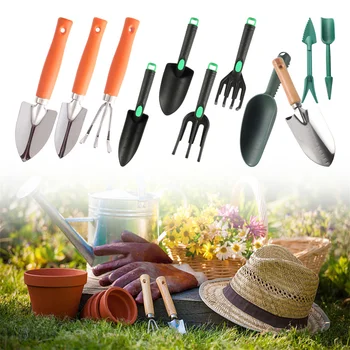
Essential Gardening Tools for Indoor Seed Starting
Investing in the right tools not only speeds up the process but also reduces the risk of common pitfalls like over‑watering or fungal growth. Below is a concise checklist, each paired with a DIY twist to keep costs low.
1. Seed‑Starting Trays & Containers
Tool: Reusable plastic trays with drainage holes.
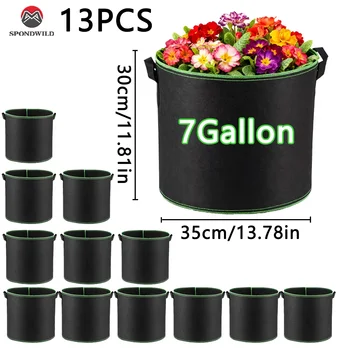
DIY upgrade: Repurpose old egg cartons, yogurt cups, or recycled newspaper pots. Punch a tiny drainage hole in the bottom and line with a biodegradable peat plug.
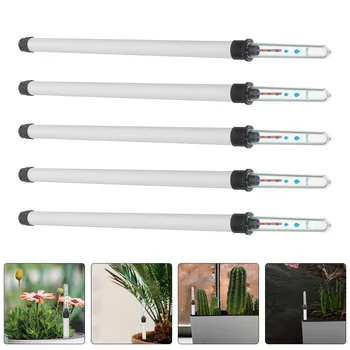
Tip: Use a seed‑starting mix that’s 40% peat moss, 30% vermiculite, and 30% perlite for optimal moisture retention and aeration.
2. Grow Lights
Tool: Full‑spectrum LED panels (45–60 W for a 2‑ft² area).
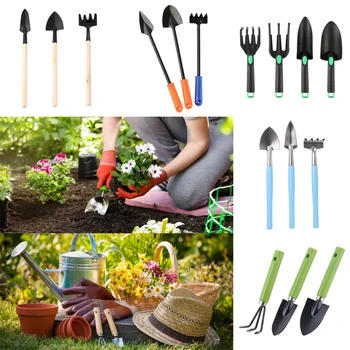
DIY upgrade: Convert a standard desk lamp with a 6500 K LED bulb and attach a reflective Mylar sheet behind to boost light intensity.
Tip: Keep lights 6–12 inches above seedlings and run them 14–16 hours per day; a timer ensures consistency.
3. Thermometer & Hygrometer
Tool: Digital combo unit (temperature ±0.5 °C, humidity ±2%).
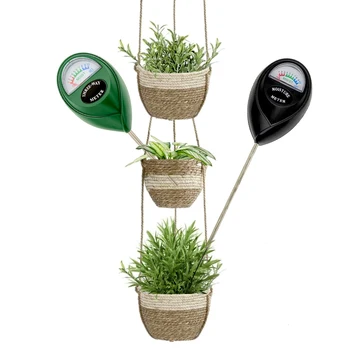
DIY upgrade: Attach a small Bluetooth sensor to a spare plant pot and monitor conditions via a free smartphone app.
Tip: Aim for 65–75 °F (18–24 °C) and 50–70% relative humidity to prevent damping‑off disease.
4. Watering Tools
Tool: Fine‑mist spray bottle or a calibrated watering can.
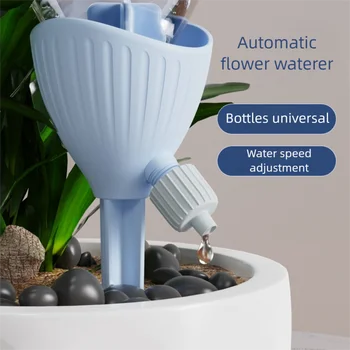
DIY upgrade: Use a repurposed plastic bottle with a few pinholes in the cap for a gentle drip system.
Tip: Water from the bottom by placing trays in a shallow tray of water for 5‑10 minutes; this encourages deep root growth and reduces leaf wetness.
Step‑by‑Step Guide: Growing Winter Flowers from Seed
Step 1: Choose the Right Flower Varieties
Data from the American Horticultural Society shows that Viola (pansy), Primula (primrose), and Calibrachoa (mini‑petunia) have the highest germination rates (85‑92%) under indoor conditions. Select seeds that are non‑dormant and labeled for indoor use.
Step 2: Prepare Your Seed‑Starting Mix
- Combine 2 parts peat moss, 1 part perlite, and 1 part vermiculite in a clean bucket.
- Moisten the blend with distilled water until it feels like a damp sponge—no standing water.
- Fill each cell of your tray or DIY pot to within ¼ inch of the rim.
Pro tip: Add a pinch of cinnamon to the mix; it acts as a natural antifungal agent.
Step 3: Sow the Seeds
- Scatter seeds evenly across the surface; for tiny seeds like viola, use a seed‑sowing tool or a fine‑tipped spoon.
- Cover with a thin layer of mix (¼‑½ inch) or a light dusting of vermiculite to retain moisture.
- Label each tray with the plant name and sowing date using a waterproof marker.
Actionable advice: Press the soil gently with a piece of cardboard to ensure good seed‑to‑soil contact without compacting the medium.
Step 4: Create the Ideal Micro‑Environment
- Cover: Place a clear plastic dome or a repurposed cut‑off plastic bottle over the tray to maintain humidity.
- Ventilation: Open the cover for 5 minutes each morning to prevent mold.
- Light: Position the tray 6 inches below your grow light; adjust height as seedlings emerge.
Data point: A study by University of Michigan Horticulture Dept. found that seedlings under a 14‑hour light regime grew 22% taller than those under 10‑hour cycles.
Step 5: Watering & Feeding
- Check moisture daily by touching the surface; it should feel lightly damp, not soggy.
- When the top layer dries, mist lightly or use the bottom‑watering method.
- After the first true leaves appear (usually day 10‑14), feed with a diluted (½ strength) balanced liquid fertilizer (20‑20‑20) once a week.
Quick tip: Add a few drops of seaweed extract to the fertilizer solution for a natural growth boost.
Step 6: Transplanting to Larger Containers
When seedlings have 2–3 sets of true leaves and roots are visible at the bottom of the cell, gently lift each plant and transplant into a 4‑inch pot with a high‑quality potting mix. Use a DIY self‑watering pot by placing a small water reservoir (a recycled bottle) beneath the soil and poking a cotton wick through the drainage hole.
Step 7: Ongoing Care and Harvest
- Pruning: Pinch back the tips when plants reach 6 inches to encourage bushier growth.
- Pollination: Gently shake the plants or use a soft brush to transfer pollen, especially for self‑incompatible varieties.
- Display: Arrange pots on windowsills or hanging shelves to maximize light exposure and create a vibrant winter focal point.
With proper care, most indoor flowers will bloom within 6–8 weeks, providing color and fragrance throughout the cold season.
DIY Projects to Enhance Your Winter Garden
1. Custom Seed‑Starting Shelf
Use reclaimed wood pallets to build a three‑tier shelf. Add hooks for hanging grow lights and attach a magnetic strip to hold metal trays. Finish with a coat of non‑toxic paint for a polished look.
2. Portable Grow Light Cart
Mount a small LED panel onto a rolling utility cart. Include a power strip and a small timer. This mobile setup lets you move seedlings to the sunniest spot or adjust height as they grow.
3. Moisture‑Monitoring Dashboard
Integrate a Bluetooth hygrometer with a free smartphone dashboard (e.g., PlantSnap or GrowKit). Set alerts for temperature or humidity deviations, ensuring you catch issues before they affect seedlings.
Data‑Backed Success Checklist
| Task | Target Metric | Verification Method |
|---|---|---|
| Germination Rate | ≥85% | Count emerged seedlings after 14 days |
| Light Intensity | 2000–2500 lux | Use a lux meter at plant canopy |
| Temperature | 65–75 °F | Digital thermometer reading |
| Humidity | 50–70% | Hygrometer reading |
| Bloom Time | 6–8 weeks | Calendar tracking from sowing to first flower |
Final Thoughts
By combining the right gardening tools, simple DIY projects, and data‑driven practices, you can transform a chilly winter into a period of vibrant growth. Not only will you enjoy fresh, home‑grown flowers, but you’ll also sharpen your DIY skills, reduce waste through repurposing, and create a healthier indoor environment. Start small, track your results, and watch your winter garden flourish—one seed at a time.