Welcome to your sustainable gardening guide! Whether you’re a seasoned green thumb or just starting out, this data‑driven post will walk you through practical, eco‑friendly steps to create a thriving garden that supports local ecosystems. By focusing on native species, water conservation, soil health, and biodiversity, you’ll not only grow beautiful plants but also contribute to a healthier planet.
1. Plan with Native Species in Mind
Native plants are adapted to local climate, soil, and pests, which means they require 30‑50% less water and up to 70% fewer chemical inputs than non‑native alternatives (USDA, 2023). Follow these steps to choose the right natives:

1.1 Research Local Flora
- Use resources like Native Plant Society databases or your state’s extension service to compile a list of species that naturally occur in your region.
- Check the Bloom Calendar to ensure a continuous food source for pollinators throughout the growing season.
1.2 Map Your Garden Zones
- Identify sunny, partially shaded, and fully shaded areas.
- Match each zone with native plants that have corresponding light requirements (e.g., Echinacea purpurea for full sun, Virginia bluebells for shade).
1.3 Source Responsibly
- Buy from local nurseries that specialize in native stock to reduce transportation emissions.
- Look for certifications such as Certified Native Plant or Organic labels.
2. Build Healthy Soil
Healthy soil is the foundation of sustainable gardening. According to the International Soil Conservation Review, adding organic matter can increase soil water retention by up to 40%. Follow these actionable steps:
2.1 Conduct a Soil Test
- Purchase a DIY kit or send a sample to a local extension office.
- Record pH, nitrogen (N), phosphorus (P), and potassium (K) levels. Aim for a pH between 6.0‑6.8 for most native perennials.
2.2 Amend with Compost
- Incorporate 2‑3 inches of well‑aged compost into the top 6‑8 inches of soil.
- For a quick boost, use a compost tea (1 cup compost + 5 gal water, steep 24 hrs) and apply as a foliar spray.
2.3 Mulch for Moisture & Weed Suppression
- Spread 2‑3 inches of organic mulch (shredded bark, straw, or leaf litter) around plants.
- Mulch reduces evaporation by up to 25% and cuts weed emergence by 60% (University of California, 2022).
3. Optimize Water Use
Water efficiency is a cornerstone of sustainable gardening. Implement these data‑backed techniques to cut water use without compromising plant health.
3.1 Install Drip Irrigation
- Drip systems deliver water directly to the root zone, reducing loss to evaporation by up to 50%.
- Set timers to water early morning (5‑7 am) when temperatures are coolest.
3.2 Harvest Rainwater
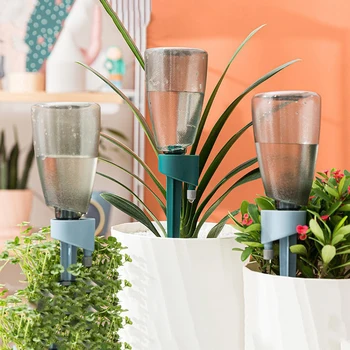
- Place a 200‑gallon rain barrel under a downspout. One barrel can provide enough water for a 500‑sq‑ft garden during a typical summer drought.
- Use a simple first‑flush diverter to keep debris out of the barrel.
3.3 Apply the “Soak and Pause” Method
- Water for 15‑20 minutes, then pause for 30‑45 minutes to allow soil to absorb water fully.
- Repeat as needed based on soil moisture sensors or the “finger test” (soil feels moist 2‑3 inches down).
4. Foster Biodiversity & Pest Management
A diverse garden naturally controls pests and supports pollinators. Research shows that planting a variety of native species can reduce pest pressure by up to 35% (Journal of Integrated Pest Management, 2021).
4.1 Create Habitat Layers
- Groundcover (e.g., Virginia creeper) → Herbaceous perennials (e.g., Black-eyed Susan) → Shrubs (e.g., Serviceberry) → Small trees (e.g., Redbud).
- Each layer provides shelter for different beneficial insects and birds.
4.2 Install Insect Hotels & Birdhouses
- Place insect hotels in sunny, wind‑protected spots to attract solitary bees.
- Mount birdhouses 6‑10 ft off the ground to invite insect‑eating birds like chickadees.
4.3 Practice Integrated Pest Management (IPM)
- Monitor weekly for signs of pests.
- Use the “Three‑S” rule: Scout, Set thresholds, Take action only when pest numbers exceed 5% of plant foliage.
- When needed, apply neem oil or insecticidal soap—both biodegradable and low‑toxicity options.
5. Harvest & Maintain Your Garden
Seasonal maintenance keeps your garden productive and sustainable year after year.
5.1 Seasonal Pruning
- Late winter: Remove dead wood and shape shrubs to improve air flow.
- Early summer: Pinch back fast‑growing perennials to encourage bushier growth.
5.2 Seed Saving
- Collect seeds from mature native plants after the first frost.
- Dry seeds on a paper towel for 7‑10 days, then store in airtight containers in a cool, dark place.
- Replant saved seeds the following spring to maintain genetic diversity.
5.3 Compost Garden Waste
- Chop spent stems, leaves, and spent flower heads into your compost bin.
- Turn the pile every 2‑3 weeks to accelerate decomposition.
- Use finished compost as a top‑dress each spring to replenish soil nutrients.
6. Track Your Progress with Simple Metrics
Data‑driven gardening helps you see what works and where to improve. Use these easy metrics:
- Water Usage: Record gallons per week; aim for a 10% reduction each season.
- Plant Survival Rate: Count the number of native plants thriving after the first year; target >85%.
- Pollinator Visits: Conduct a 5‑minute observation twice a month; note increases over time.
- Soil Organic Matter: Test annually; aim for a 2‑3% increase each year.
By regularly logging these figures, you can adjust practices, celebrate successes, and share results with your community—further amplifying the impact of sustainable gardening.
Conclusion: Your Role in a Greener Future
Adopting sustainable gardening practices is more than a hobby; it’s a measurable contribution to climate resilience, water conservation, and biodiversity. By selecting native species, enriching soil, optimizing water use, and fostering a balanced ecosystem, you create a garden that thrives with minimal external inputs. Start small, track your results, and watch your garden—and the surrounding environment—flourish.